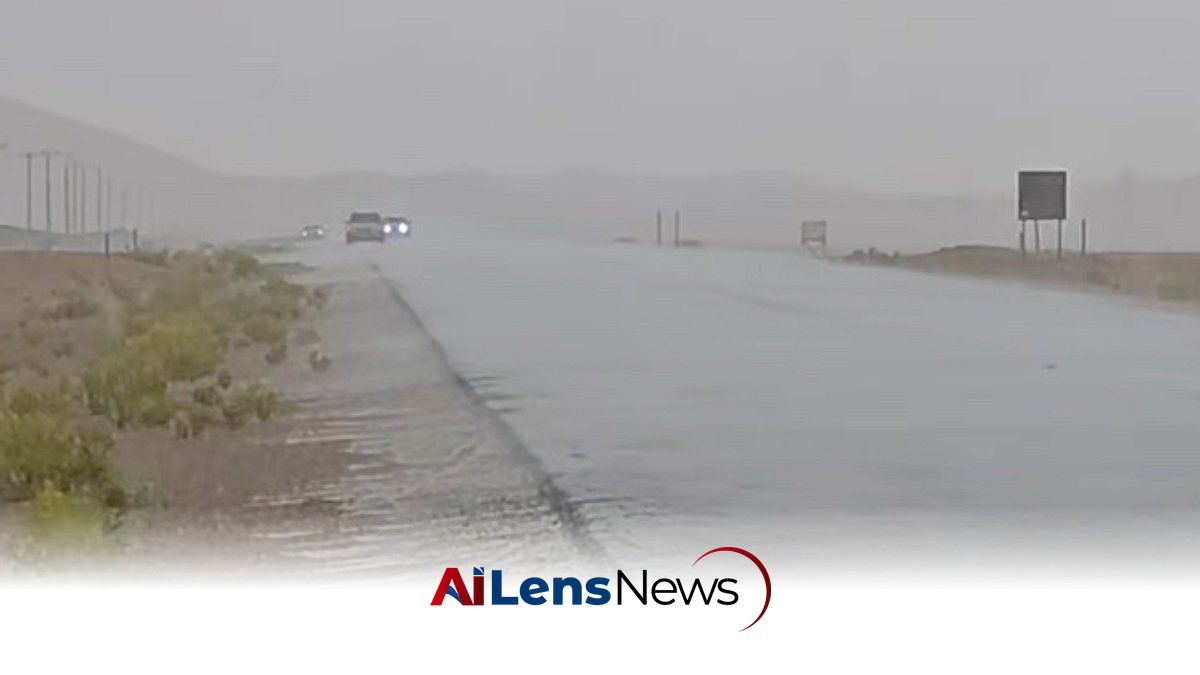


The UAE is set for more rain, humid nights, and potential fog as weather conditions shift this weekend, according to the National Centre of Meteorology.
Abu Dhabi, United Arab Emirates Jul 17, 2026 ALN: The National Centre of Meteorology (NCM) has issued a weather forecast indicating that the United Arab Emirates (UAE) will experience a mix of weather conditions this weekend, characterized by partly cloudy to cloudy skies. This forecast is particularly relevant for residents and visitors as it provides crucial information about potential weather changes and their implications for daily activities. Understanding local weather patterns is essential in a region where the climate can shift dramatically, especially during the summer months.
On Friday, the presence of convective clouds is expected to develop predominantly over the eastern and southern regions of the UAE. These clouds can be a precursor to localized rainfall, which could provide some relief from the extreme heat that has been characteristic of the region in recent weeks. The development of these clouds is a common phenomenon during the summer months, where the combination of high temperatures and humidity leads to the formation of thunderstorms in certain areas. The formation of convective clouds often signals the onset of precipitation, which can vary in intensity and duration, impacting local environments and activities.
As the weekend progresses, the forecast predicts a significant increase in humidity levels, particularly overnight into Saturday morning. This rise in humidity is a typical occurrence in the UAE, especially during the summer months when the air is saturated with moisture. The increased humidity heightens the likelihood of fog or mist forming in some western coastal areas, which can create reduced visibility conditions. Fog is a common weather phenomenon in the UAE, especially during the transitional seasons of late summer and early autumn, when warm, moist air meets cooler temperatures. This seasonal transition can create ideal conditions for fog formation, impacting morning commutes and outdoor activities.
Winds during this period are expected to be southeasterly to northeasterly, with speeds remaining light to moderate. However, there is a possibility that wind speeds could strengthen at times, reaching up to 40 km/h. This increase in wind speed could stir up dust in exposed areas, which may affect air quality and visibility. Residents, especially those with respiratory conditions, are advised to take precautions when dust storms occur. The winds also play a significant role in the overall weather dynamics in the UAE, often influencing temperature variations and precipitation patterns. The shifting winds can also contribute to the dispersal of humidity, impacting not only local weather but also the comfort levels of residents and visitors.
Despite the anticipated rainfall and increased humidity, temperatures across the UAE will remain notably high. Forecasts indicate maximum temperatures reaching 48°C in Liwa, 46°C in Al Ain, 44°C in both Dubai and Sharjah, and 43°C in the capital, Abu Dhabi. These high temperatures are typical for the UAE during the summer months, and they underscore the need for residents to stay hydrated and avoid prolonged exposure to the sun. Fujairah, located on the eastern coast, is expected to experience a comparatively lower maximum temperature of 36°C; however, the humidity levels could rise to as high as 85 percent, making it feel significantly warmer than the actual temperature. This phenomenon is often referred to as the 'heat index,' which combines air temperature and humidity to reflect how hot it actually feels. Understanding the heat index is crucial for ensuring public safety, especially for outdoor workers and athletes who may be at risk of heat-related illnesses.
Sea conditions are also a consideration for those engaging in maritime activities. The forecast predicts that the sea will be slight to moderate in both the Arabian Gulf and the Oman Sea. Mariners and beachgoers are advised to exercise caution, as changing weather conditions can impact sea safety. The maritime environment in the UAE is vital for both commercial and recreational activities, and understanding the weather conditions is essential for ensuring safety at sea. The UAE's extensive coastline and reliance on marine trade make it imperative for individuals involved in these sectors to remain aware of weather forecasts and potential changes that could affect their activities.
Residents are encouraged to stay informed about the evolving weather conditions and to take necessary precautions against the high temperatures and potential fog. This includes staying hydrated, wearing appropriate clothing, and being mindful of outdoor activities during peak heat hours. Additionally, as fog can significantly reduce visibility, drivers are urged to exercise caution and adjust their driving speed accordingly when encountering foggy conditions. The combination of high humidity and fog can create hazardous driving environments, making it essential for motorists to remain vigilant and prepared for sudden changes in visibility.
In summary, the weather forecast for the UAE this weekend presents a mixture of challenges and considerations for residents and visitors alike. The combination of high temperatures, increased humidity, and the potential for fog underscores the importance of staying informed and prepared for varying weather conditions. The NCM's proactive communication of these forecasts plays a crucial role in ensuring public safety and awareness, allowing individuals to make informed decisions about their activities in light of the weather conditions. The implications of these weather patterns extend beyond individual comfort; they can affect public health, transportation, and even economic activities, particularly in sectors reliant on outdoor conditions.
Furthermore, as climate change continues to influence weather patterns globally, the UAE has been focusing on enhancing its climate resilience. The government has been investing in infrastructure and technology to better predict and respond to extreme weather events. This includes the use of advanced meteorological tools and models to improve forecasting accuracy, which is essential for planning and preparedness. As weather events become more unpredictable, the ability to provide timely and accurate forecasts becomes even more critical for ensuring the safety and well-being of the population.
In conclusion, the upcoming weekend's weather forecast serves as a reminder of the dynamic nature of the UAE's climate. By remaining informed and prepared, residents and visitors can navigate the challenges posed by high temperatures, humidity, and fog, ensuring their safety and comfort in this unique desert environment. The ongoing efforts by the NCM to provide accurate weather information contribute significantly to public awareness and preparedness, fostering a culture of vigilance in the face of changing weather conditions.
To learn more about the latest developments in Science & Environment, stay updated with our exclusive reports and analyses on AiLensNews.

