

UAE residents face flight cancellations and heightened security following recent tanker attacks and US military actions in the Gulf region.
Abu Dhabi, United Arab Emirates Jul 14, 2026 ALN: Here's a roundup of the key developments and what they mean for UAE residents.
Two UAE tankers hit: UAE-operated crude oil tankers MT Al Bahiyah and MT Mombasa were struck by missiles in the Strait of Hormuz, triggering onboard fires that were later brought under control. The Strait of Hormuz is a crucial maritime passage that handles about 20% of the world's oil supply, making it a strategic point of interest in global energy security.
One Indian killed, eight injured: One Indian seafarer was killed and eight crew members were injured, including six Indians and two Ukrainians. The two vessels carried 30 Indian nationals among a combined crew of 46. This incident highlights the risks faced by maritime workers in conflict zones and raises concerns about the safety protocols in place for such operations.
India offers assistance: India's missions in the UAE are coordinating with local authorities to support the injured and the families of those affected. This response underscores the importance of diplomatic channels in crisis situations and the role of embassies in providing assistance to their nationals abroad.
Flights disrupted: Flights between the UAE and Saudi Arabia's Abha International Airport were cancelled after Houthi missile and drone attacks. Services operated by flydubai, Air Arabia and several Saudi airlines were affected. Such disruptions can have significant implications for travel plans, business operations, and the tourism sector, which has been recovering post-pandemic.
UK updates travel advice: The UK advised its citizens in the UAE to review travel plans, monitor official updates and prepare for possible disruptions as regional tensions continue. This advisory reflects the broader international concern regarding safety in the region and the potential for escalation.
US missions cancel appointments: The US Embassy in Abu Dhabi and the US Consulate General in Dubai cancelled consular appointments scheduled between July 13 and 15 because of the security situation. Such cancellations can affect many expatriates and travelers seeking assistance, highlighting the impact of geopolitical tensions on everyday life.
Jordan intercepts missiles: Jordan said it intercepted four Iranian missiles that entered its airspace, while explosions and air raid sirens were reported in Bahrain's capital, Manama. This incident illustrates the regional nature of the conflict, where tensions in one country can have spillover effects on neighboring nations.
Another tanker struck near Oman: The UK Maritime Trade Operations (UKMTO) said a tanker was hit by a missile 13 nautical miles southeast of Limah, Oman, and urged ships to exercise extreme caution. This ongoing threat to maritime security raises concerns for global shipping routes, particularly for oil tankers that traverse these waters.
Dutch tanker attacked: Stolt Tankers confirmed one of its vessels was attacked off Oman amid escalating regional tensions. The repeated targeting of tankers showcases the vulnerabilities in international shipping and the potential for economic repercussions if such incidents continue.
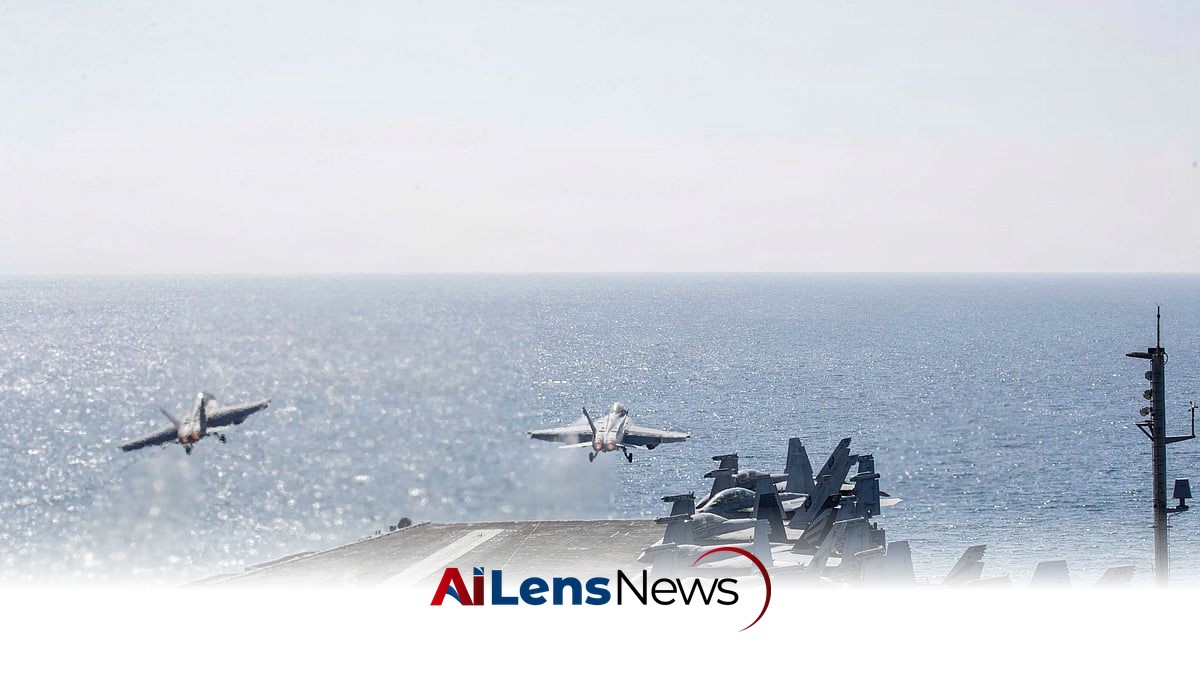
US strikes Iran: US Central Command (CENTCOM) carried out a five-hour operation targeting military sites in Bushehr, Chah Bahar, Jask, Konarak, Abu Musa and Bandar Abbas, hitting missile, drone and coastal defense infrastructure. These military actions indicate a significant escalation in the US-Iran tensions and could lead to further retaliatory measures from Iran.
US restores maritime blockade: Washington resumed enforcement of its blockade on vessels entering or leaving Iranian ports. This decision is likely to exacerbate the already strained relations between the US and Iran and could lead to increased military presence in the region.
More explosions reported in Iran: Iranian media reported strikes in Bushehr and multiple explosions near Bandar Abbas. Authorities also said three members of the same family were killed in Hormozgan province. Such incidents contribute to the cycle of violence and retaliation that has characterized US-Iran relations for decades.
Oil prices rise: Brent crude and West Texas Intermediate (WTI) prices climbed as renewed fighting and shipping risks in the Strait of Hormuz fueled concerns over global energy supplies. Fluctuations in oil prices can have widespread implications for economies around the world, especially those heavily reliant on oil imports.
Trump proposes tighter control: US President Donald Trump said the US would restore security operations in the Strait of Hormuz and proposed charging ships using the waterway, a move rejected by Iran. This proposal could further complicate international shipping dynamics and escalate tensions in an already volatile region.
Why the Strait of Hormuz matters: The waterway is one of the world's most important energy chokepoints, handling a significant share of global oil exports. Any disruption can affect shipping, energy markets, and regional trade. Given the strategic importance of the Strait of Hormuz, any military conflict in the area poses risks not only to regional stability but also to the global economy.
Check your flight before travelling: If you're flying to Saudi Arabia or transiting through the Gulf, confirm your flight status with your airline before heading to the airport, as schedules may change at short notice. Keeping abreast of travel updates is crucial during times of heightened tension.
Follow official updates: Rely on information from UAE authorities, your embassy, and your airline for the latest travel and safety advisories. Staying informed through official channels can help mitigate risks associated with misinformation.
US consular appointments affected: Anyone with appointments at the US Embassy in Abu Dhabi or the US Consulate in Dubai should wait for rescheduling instructions. The uncertainty surrounding consular services can create challenges for individuals seeking assistance.
Shipping remains operational: Commercial shipping continues through the Strait of Hormuz under enhanced security, although vessels are operating with increased caution following multiple attacks. The resilience of shipping operations is critical for maintaining economic stability in the region.
Watch oil market developments: Oil prices have risen, but there has been no announcement of any immediate impact on UAE fuel prices. However, fluctuations in oil prices can have downstream effects on various sectors, including transportation and consumer goods.
Daily life continues as normal: UAE authorities have not announced changes to workplaces or public services. Residents are advised to avoid sharing unverified information and follow official guidance, which is essential for maintaining social order and public confidence during uncertain times.
The security situation across the Gulf remains fluid, with military operations, shipping incidents, and travel disruptions continuing. While the UAE has not announced changes affecting daily life, travelers and residents should stay informed through official channels, monitor airline updates, and be prepared for further developments as the regional situation evolves. The implications of these events extend beyond immediate safety concerns, as they can shape regional geopolitics, economic stability, and international relations for the foreseeable future.
To learn more about the latest developments in World News & International Affairs, stay updated with our exclusive reports and analyses on AiLensNews.

