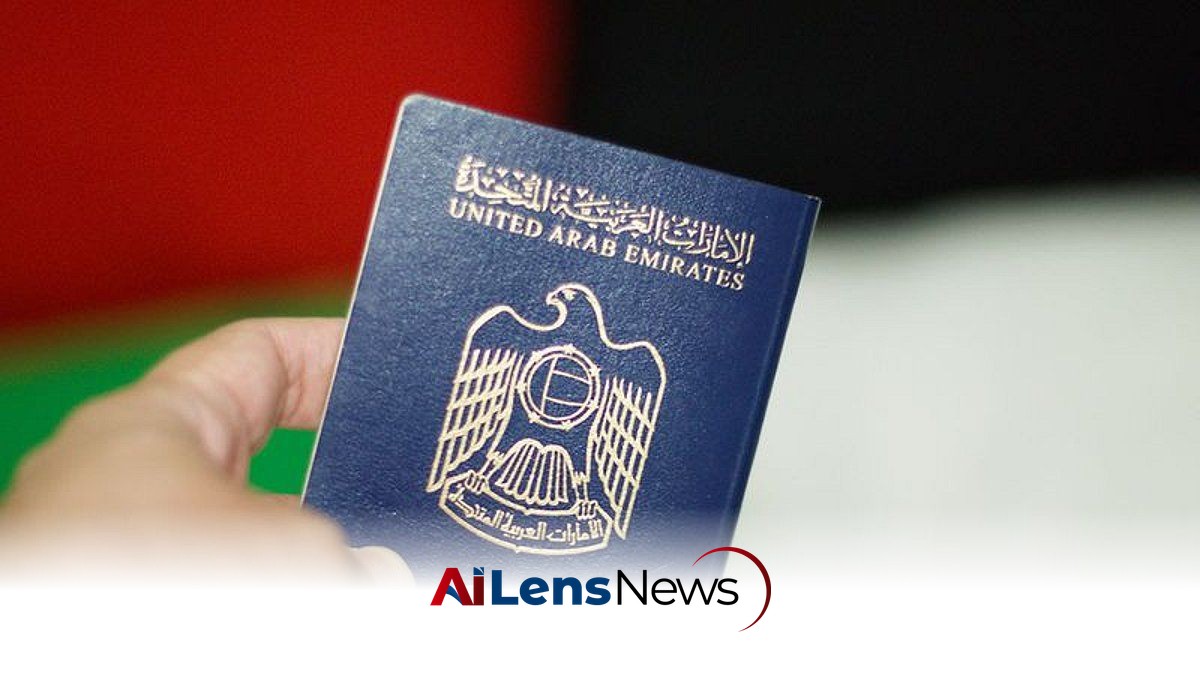


The UAE passport has transformed from a mid-ranking document to one of the world's most powerful, now offering access to 188 destinations without a visa.
Abu Dhabi, United Arab Emirates Jul 22, 2026 ALN: The United Arab Emirates (UAE) has experienced a remarkable transformation over the past two decades, evolving its passport from one that provided access to just 35 destinations to a formidable travel document that now allows visa-free entry to 188 countries. This journey not only reflects the UAE's diplomatic and economic advancements but also highlights broader trends in global mobility and the disparities that exist in passport strength across the world.
The concept of passport power has gained significant attention in recent years, particularly as globalization continues to reshape the dynamics of international travel. In an increasingly interconnected world, the ability to travel freely is not just a matter of personal convenience; it has implications for trade, tourism, and international relations. While many passports have gained strength, the gap between the most powerful and the least powerful passports has reached unprecedented levels. For instance, Singapore currently holds the top position in global passport rankings, granting its citizens access to 192 destinations without the need for a visa. In stark contrast, Afghanistan remains at the bottom of the index, with its passport allowing access to only 22 countries. This stark difference creates a record gap of 170 destinations between the strongest and weakest passports, underscoring the inequalities in global mobility.
Afghanistan's passport has consistently ranked as the weakest since 2006, although it has seen a slight increase in access from 12 destinations two decades ago. This slow improvement is overshadowed by the challenges faced by Afghan citizens, who often encounter significant barriers to international travel due to ongoing political instability and security concerns. The list of the weakest passports in the 2026 ranking includes countries such as Syria, Iraq, Yemen, and Pakistan, all of which struggle with similar issues that limit their citizens' ability to travel freely. The implications of these limitations are profound, as restricted mobility can hinder economic opportunities, educational prospects, and personal safety for those individuals.
Interestingly, Bolivia is the only country that has recorded a decline in passport strength over the last twenty years, losing six visa-free destinations. This decline serves as a reminder that passport power is not static and can be influenced by various factors, including diplomatic relations and international standing. Countries that experience political upheaval or diplomatic isolation may find their passports losing value, while those that foster strong international relationships can see their passports gain strength.
The analysis conducted by Henley & Partners has revealed a correlation between passport strength and the Global Peace Index. Generally, countries that are considered peaceful tend to have stronger passports. However, the UAE serves as a notable exception to this trend. Despite not being ranked among the most peaceful nations, the UAE's passport strength is significantly bolstered by its diplomatic influence, economic prowess, and strategic global partnerships. This highlights that passport power is shaped not only by a country's peace ranking but also by its ability to engage with other nations and foster international cooperation.
Dr. Kaelin, a key figure in the analysis, emphasizes that mobility is increasingly viewed as a measure of opportunity in today's world. He notes that the freedom to travel is no longer the only privilege that individuals seek; rather, it is the freedom to choose and access rights that are becoming paramount. This shift in perspective reflects a growing awareness of the importance of global connectivity and the role it plays in shaping individuals' futures. In many ways, the ability to travel freely is intertwined with personal and professional aspirations, as it opens doors to new experiences, cultures, and opportunities.
The UAE's ascent in passport strength can be attributed to several factors. The country's strategic geographic location, robust economy, and commitment to fostering international relations have all contributed to its improved standing. As the UAE continues to position itself as a global hub for trade, tourism, and investment, its passport has become a symbol of its growing influence on the world stage. The UAE's investment in infrastructure, such as world-class airports and hotels, alongside its hosting of major international events, has further enhanced its global profile.
Moreover, the rise of the UAE passport reflects a broader trend in global mobility, where countries are increasingly competing for talent and investment. In an era where borders are becoming more porous and international collaboration is essential for economic growth, passport strength has emerged as a critical indicator of a country's connectivity and influence. This competition for passport power is not merely about travel convenience; it is also indicative of a nation's status in the global arena. Countries that can offer their citizens greater mobility stand to attract skilled workers, tourists, and investors, thereby enhancing their economic prospects.
As nations strive to enhance their passport strength, they must navigate a complex landscape of diplomacy, economic partnerships, and geopolitical considerations. The ability to secure visa-free access to a greater number of countries is often seen as a reflection of a country's international standing and its relationships with other nations. In this context, the UAE's success in expanding its passport power serves as a case study for other countries aiming to enhance their global mobility. The UAE's proactive approach to diplomacy, including establishing bilateral agreements and participating in international organizations, has played a crucial role in its passport's evolution.
In conclusion, the UAE passport's remarkable journey from 35 to 188 visa-free destinations in just 20 years is a testament to the country's strategic diplomatic efforts and economic development. As the global landscape continues to evolve, the disparities in passport strength will likely remain a significant issue, highlighting the need for greater international cooperation and understanding. The implications of passport power extend beyond mere travel convenience; they touch upon themes of opportunity, identity, and the interconnectedness of our world. As we move into a new era of global mobility, the importance of fostering strong diplomatic ties and enhancing citizens' freedom of movement will be paramount in shaping the future of international relations. This evolution of passport strength reflects not only the aspirations of nations but also the desires of their citizens for greater access to the world.
To learn more about the latest developments in Politics, stay updated with our exclusive reports and analyses on AiLensNews.

