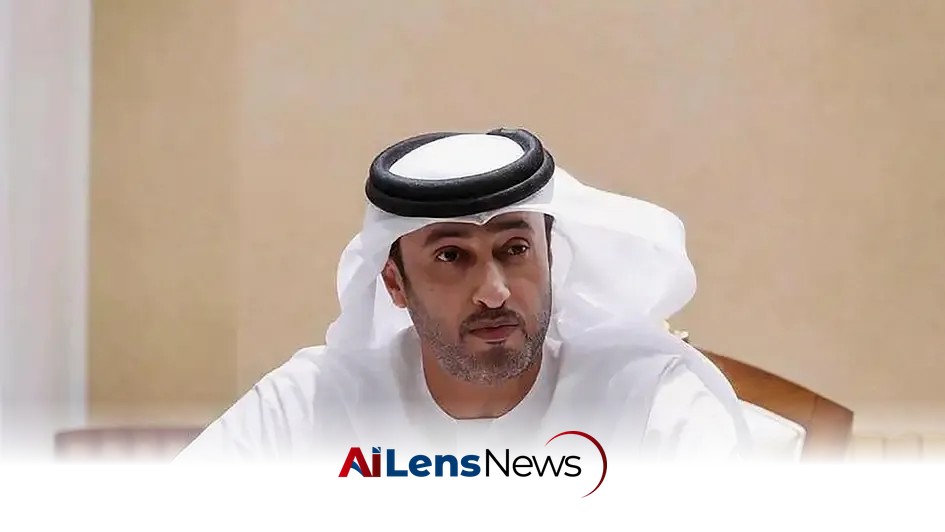


The UAE Attorney-General confirms ongoing investigations into a false report of explosions in Dubai, despite the agency's retraction and apology.
Abu Dhabi, United Arab Emirates Jul 19, 2026 ALN: The United Arab Emirates (UAE) is intensifying its investigation into a misleading report that falsely claimed explosions were heard in Dubai. This development comes after the Attorney-General announced that the agency's decision to retract the report and issue an apology does not halt the ongoing inquiry.
The initial report, which circulated widely, caused significant concern among residents and visitors in the bustling city. Authorities quickly moved to clarify the situation, emphasizing that there were no such incidents occurring at the time. This swift action reflects the UAE's commitment to maintaining public order and safety, particularly in a city that is a major global hub for tourism and business.
The false report emerged amid heightened security awareness in the region. In recent years, the Middle East has experienced various geopolitical tensions, which have led to increased vigilance among governments in the area. The UAE, known for its stability and economic prosperity, has been particularly sensitive to incidents that could disrupt public peace. Following the publication, the UAE's Attorney-General stated that the misinformation could have serious implications, prompting a swift response from law enforcement and media regulatory bodies. The rapid circulation of the report underscores the challenges posed by the digital age, where information can spread quickly, often without verification.
Dubai has long been known for its safety and stability, attracting millions of tourists each year. The city’s reputation as a safe destination is vital for its economy, which heavily relies on tourism and expatriate residents. Any report suggesting a threat to public safety can have immediate and far-reaching consequences, affecting not just the local populace but also international perceptions of the city. The tourism sector, which forms a significant part of Dubai's economy, could suffer if visitors feel unsafe or uncertain about the security situation in the city.
In a statement, the Attorney-General underscored the importance of accurate reporting and the potential dangers of spreading false information. He reiterated that the agency's actions to retract the report and apologize were necessary steps, but they do not preclude further investigations into how the misinformation was disseminated. This highlights the UAE's legal framework regarding misinformation and the responsibility of media outlets and individuals to ensure that the information they share is factual.
The Attorney-General's comments also reflect a broader commitment to media integrity in the UAE. The country has established various regulatory bodies to oversee media practices and ensure that reporting standards are upheld. This incident may lead to a reevaluation of existing regulations and practices, particularly in how news is verified and disseminated in the digital landscape. With the rapid growth of social media platforms, the challenge of controlling misinformation has become increasingly complex, prompting calls for enhanced regulatory measures.
The UAE government has been proactive in addressing public safety concerns, particularly in light of recent events that have heightened tensions in the region. Officials are keen to maintain the trust of the public and ensure that such incidents do not undermine the sense of security in Dubai, a city known for its stability and safety. The government’s rapid response to the false report serves as a reminder of the importance of clear communication in times of uncertainty.
Moreover, the implications of misinformation extend beyond immediate public safety concerns. Such incidents can lead to panic, disrupt daily life, and create an atmosphere of fear, which is counterproductive to the UAE's efforts to promote itself as a secure and welcoming destination for tourists and investors. The government’s handling of this situation will likely be scrutinized, and its effectiveness in managing public perception will play a crucial role in maintaining confidence among residents and visitors alike.
As the investigation continues, authorities are expected to examine the sources of the false report and the channels through which it spread. This inquiry will likely involve collaboration between various government agencies to ensure accountability and prevent similar incidents in the future. Investigators may look into the role of social media platforms, traditional news outlets, and individual users in the dissemination of the misinformation. The digital landscape, characterized by rapid information flow, poses unique challenges for regulatory bodies tasked with managing the accuracy of news dissemination.
The UAE's commitment to transparency and public safety remains a priority as officials work to resolve this matter and reassure the public of their safety. The investigation may also lead to discussions about the need for improved media literacy among the public, as well as potential legislative measures aimed at combating the spread of false information. Educating the public about discerning credible news sources from unreliable ones could play a critical role in mitigating the impact of future misinformation.
This incident also raises broader questions about the role of media in society and the responsibilities that come with it. As the world becomes more interconnected, the lines between traditional journalism and social media blur, leading to a complex media landscape where misinformation can thrive. The UAE's situation reflects a global challenge, where misinformation can lead to real-world consequences, particularly in regions with existing security concerns.
Furthermore, maintaining a balance between freedom of expression and the need to combat misinformation is a delicate task for any government. The UAE, with its unique legal and cultural context, must navigate these waters carefully. The outcomes of this investigation may set precedents for how similar cases are handled in the future, influencing both media practices and public policy.
In conclusion, the UAE's response to the false report of explosions in Dubai highlights the importance of responsible journalism and the government's dedication to maintaining public trust and safety. The incident serves as a critical reminder of the potential consequences of misinformation in an increasingly interconnected world. As the investigation unfolds, it will be essential for the UAE to balance the need for security with the principles of free expression and the role of the media in society. The lessons learned from this situation may not only shape future policies in the UAE but could also resonate across the region as governments grapple with the challenges of misinformation in the digital age.
To learn more about the latest developments in Crime & Law, stay updated with our exclusive reports and analyses on AiLensNews.

