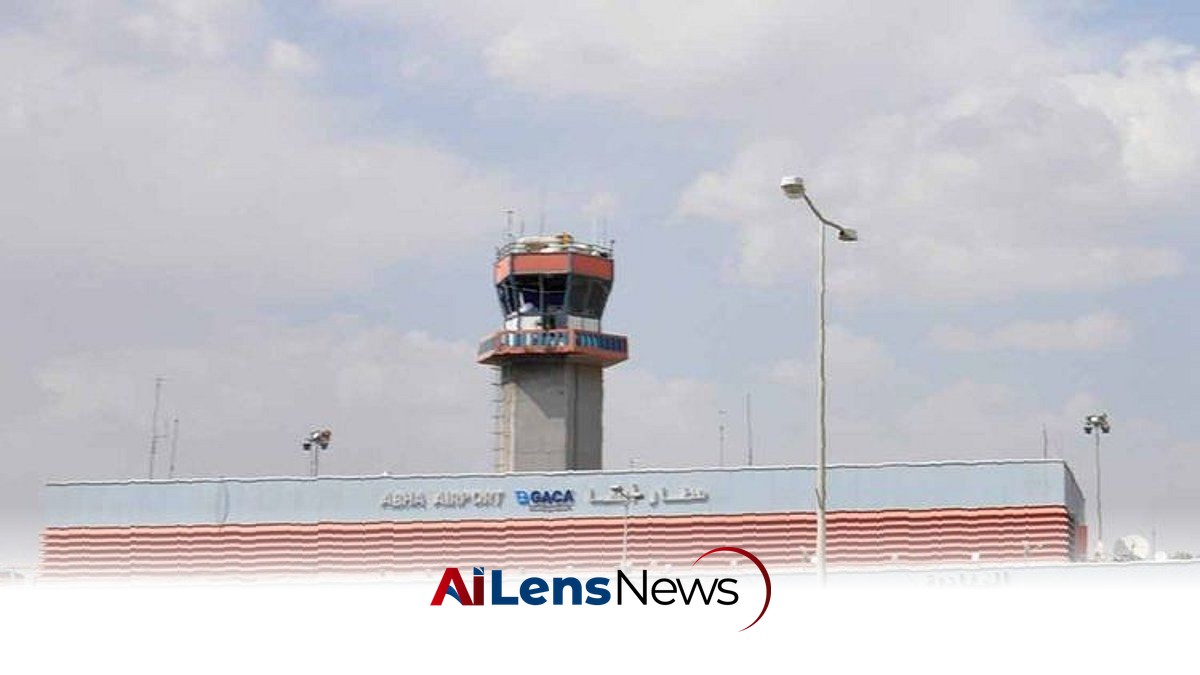


Travel warnings from Canada, the UK, and the US have intensified as flights from Abha airport face cancellations due to regional tensions and security concerns.
Abu Dhabi, United Arab Emirates Jul 15, 2026 ALN: Travel disruptions continue at Abha airport in Saudi Arabia as airlines cancel flights for a second consecutive day following a Houthi attack. This situation has prompted heightened travel warnings from Canada, the UK, and the US, advising citizens to reconsider their travel plans to certain areas in Saudi Arabia. The Houthi movement, officially known as Ansar Allah, is a political and armed group based in Yemen that has been engaged in a protracted conflict with a coalition led by Saudi Arabia since 2015. The conflict has resulted in a humanitarian crisis in Yemen and has often spilled over into neighboring countries, including Saudi Arabia.
The recent attack on Abha airport, which has been a target in the past, underscores the ongoing volatility in the region. The airport serves as a significant hub for domestic and international flights, and disruptions there can have a cascading effect on travel plans across the Gulf region. The Houthi attacks often involve the use of drones and missiles, which they claim are aimed at military targets, but have, at times, resulted in civilian casualties and damage to civilian infrastructure. The strategic location of Abha airport makes it particularly vulnerable, as it is situated within range of Houthi missile capabilities, which have been developed and refined over the course of the conflict.
Canadian authorities have issued a strong advisory against all travel to regions within 30 kilometers of the Yemen border. Additionally, they recommend avoiding non-essential travel to locations situated between 30 and 80 kilometers from the border. This caution comes in light of recent missile, drone, and projectile strikes targeting various locations in Saudi Arabia, leading to concerns about further military activity that could disrupt travel. The Canadian government’s advisory reflects a broader concern about the safety of its citizens abroad, especially in regions experiencing conflict. The advisory is not just a precautionary measure; it highlights the real and present dangers faced by travelers in these areas, where the potential for violence is heightened.
In particular, travelers are urged to steer clear of Al Qatif Governorate in the Eastern Province and areas near government-declared restricted zones close to the Iraqi border, including Hafr Al Batin and Khafji. The Canadian government has advised its citizens to keep their travel documents updated, adhere to local authorities' instructions, and prepare contingency plans that do not rely on government assistance. This advice is crucial, given that the situation can change rapidly, and travelers may find themselves in need of immediate support. The recommendation to have contingency plans underscores the unpredictable nature of conflict zones, where government assistance may not always be readily available or effective.
Moreover, travelers are warned against photographing or sharing images of military activities, installations, or damage, as such actions could lead to severe penalties under local laws. The legal ramifications of such actions highlight the importance of understanding local customs and regulations, especially in areas with heightened military presence. This cautionary note serves as a reminder that travelers must navigate not only the physical dangers of conflict but also the legal complexities that can arise in foreign nations, particularly those embroiled in active hostilities.
The UK Foreign, Commonwealth and Development Office has also issued a travel warning, advising against all travel to areas within 10 kilometers of Saudi Arabia’s border with Yemen. British travelers are further cautioned to limit their travel to essential journeys only in locations within 10 to 80 kilometers of the border. This warning remains in effect as of July 15, following an update on July 13 that reflected the renewed regional tensions. The situation remains fluid, and travelers are encouraged to stay informed about the latest developments and security advisories. The British advisory is aligned with similar warnings from other nations, reflecting a unified concern for the safety of citizens in conflict-prone areas.
The implications of these travel advisories are significant not only for individual travelers but also for the broader tourism industry in Saudi Arabia. The Kingdom has been making concerted efforts to boost tourism as part of its Vision 2030 plan, which aims to diversify the economy away from oil dependency. However, ongoing security concerns pose a challenge to these ambitions, as potential visitors might think twice about traveling to a region perceived as unstable. The Vision 2030 initiative is a cornerstone of Saudi Arabia's economic diversification strategy, and the impact of travel warnings can hinder progress towards these goals, particularly in sectors reliant on foreign visitors.
In addition to the immediate impacts on airlines and travel agencies, heightened travel warnings can also affect local businesses that rely on tourism. Hotels, restaurants, and other service providers may experience a downturn in customers, leading to economic implications that could ripple through the local economy. As such, the government may need to consider additional measures to ensure the safety of both citizens and visitors while balancing the need to promote economic growth. The interdependence of security and economic stability is particularly pronounced in regions like the Gulf, where tourism can be a vital economic driver.
The situation also raises questions about the geopolitical dynamics in the region. The conflict in Yemen has drawn in multiple actors, including Iran, which supports the Houthi movement, and Saudi Arabia, which leads a coalition of Arab states against the Houthis. The ongoing hostilities have the potential to escalate, further complicating the security landscape in the region. As international observers continue to monitor the situation, any significant changes in military engagement or diplomatic efforts could have far-reaching consequences for regional stability. The involvement of external powers complicates the conflict further, as alliances shift and new actors enter the fray, making the situation increasingly difficult to predict.
In conclusion, the recent Houthi attack on Abha airport and the subsequent travel warnings issued by Canada, the UK, and the US underscore the precarious security situation in Saudi Arabia and its neighboring regions. Travelers are advised to remain vigilant and informed about the evolving situation, while the implications of these developments will likely resonate beyond immediate travel concerns, affecting regional stability, local economies, and international diplomatic relations. As the situation continues to unfold, it is essential for governments and citizens alike to stay abreast of updates and prepare accordingly for any potential changes in the security landscape. The interplay between security and travel advisories reflects broader geopolitical tensions, illustrating how localized conflicts can have global ramifications.
To learn more about the latest developments in Health & Public Safety, stay updated with our exclusive reports and analyses on AiLensNews.

