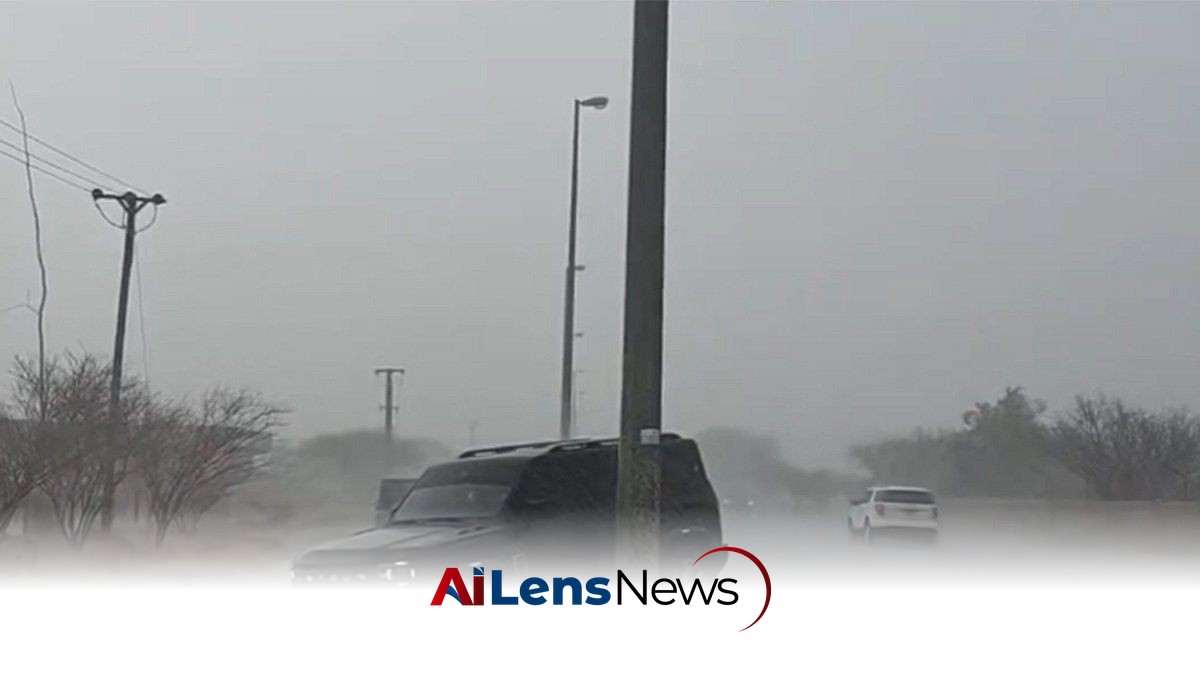


Al Dhaid and Suhaila in Sharjah experienced heavy rain, thunder, and lightning as the UAE's NCM issues weather warnings for convective clouds and cooler temperatures.
Abu Dhabi, United Arab Emirates Jul 25, 2026 ALN: Sharjah: Heavy rain swept across Al Dhaid and Suhaila in Sharjah on Saturday afternoon, with reports of flowing wadis and intense downpours after the UAE's National Center of Meteorology (NCM) warned of convective cloud activity across parts of the country's east.
The NCM had forecast the development of convective clouds accompanied by light to moderate rainfall, with the possibility of heavy showers in some areas until 7pm on Saturday. This weather event is part of a broader pattern of seasonal climatic changes that the UAE experiences, particularly during the transition from summer to autumn.
The United Arab Emirates is characterized by its arid climate, but the monsoon season can bring unexpected rainfall, especially in the eastern regions such as Sharjah and Fujairah. This phenomenon is primarily due to the interaction of warm air masses from the Arabian Peninsula and cooler air from the Mediterranean region, which can lead to the formation of convective clouds. Such weather patterns are not only a feature of the UAE but are also observed in many parts of the world where similar climatic conditions exist.
Heavy rainfall in the UAE can have significant implications for both the environment and local communities. On one hand, rain can alleviate the persistent water scarcity that the region faces, replenishing aquifers and providing much-needed irrigation for agriculture. This is especially crucial for areas like Al Dhaid, which is known for its agricultural activities. Farmers often rely on seasonal rains to support the growth of crops and maintain the health of their livestock.
However, the sudden onset of heavy rains can also lead to hazardous conditions. Flooding is a common concern during such weather events, particularly in low-lying areas and regions with poor drainage systems. The NCM's warnings of flowing wadis highlight the potential for flash floods, which can pose serious risks to life and property. In recent years, the UAE has invested in improving its infrastructure to manage stormwater more effectively, but challenges remain, especially during extreme weather events.
In addition to the risks of flooding, heavy rainfall can disrupt transportation and other essential services. Roads may become impassable, leading to traffic delays and accidents. Schools and businesses may also close temporarily, affecting daily life for residents. The NCM often collaborates with local authorities to ensure that residents are informed about weather conditions and advised on safety measures during severe weather events. Communication strategies have become increasingly important, especially in a region where the population is diverse and includes many expatriates who may not be familiar with local weather patterns.
The impact of such weather on tourism cannot be overlooked either. The UAE is a popular destination for tourists seeking sun and warmth, especially during the winter months. However, unexpected heavy rains can deter visitors and affect outdoor activities. The tourism sector is a vital part of the UAE's economy, and stakeholders must balance the allure of the region's natural beauty with the realities of its climatic challenges. This balance is particularly crucial as the UAE seeks to diversify its economy away from oil dependency, making tourism a key area for growth and investment.
As the UAE continues to experience shifts in weather patterns, attributed in part to climate change, the frequency and intensity of such weather events may increase. Experts in meteorology and climate science are closely monitoring these changes to better understand their implications. The NCM is actively engaged in research and data collection to improve weather forecasting and enhance public safety measures. The agency's efforts are complemented by international collaborations, sharing knowledge and best practices to tackle the challenges posed by climate variability.
Furthermore, the UAE government has been proactive in addressing climate change through various initiatives aimed at sustainability and environmental protection. This includes investments in renewable energy, water conservation technologies, and the promotion of green practices among businesses and residents. As part of this commitment, the UAE has also been working on enhancing its disaster preparedness strategies to better respond to extreme weather events. The establishment of early warning systems and community resilience programs are key components of this strategy, aimed at reducing vulnerability and enhancing response capabilities.
In the wake of the recent heavy rains, residents of Al Dhaid and surrounding areas are encouraged to stay informed about weather updates and heed any warnings issued by the NCM. Community awareness plays a crucial role in ensuring safety during such unpredictable weather. Local authorities often disseminate information through various channels, including social media, to keep the public updated on the situation. This proactive communication helps to mitigate panic and ensures that residents are equipped with the necessary information to make informed decisions during adverse weather conditions.
In conclusion, while the heavy rains in Al Dhaid and Suhaila bring much-needed relief to the region's arid climate, they also serve as a reminder of the challenges posed by extreme weather. The balance between harnessing the benefits of rainfall and mitigating its risks is crucial for the ongoing development and safety of communities in the UAE. As meteorological patterns evolve, ongoing vigilance and preparedness will be essential for residents and authorities alike. The UAE's experience with such weather events highlights the importance of adapting infrastructure and community planning to cope with the realities of a changing climate, ensuring that both the environment and the economy can thrive in the face of uncertainty.
To learn more about the latest developments in Weather & Emergency, stay updated with our exclusive reports and analyses on AiLensNews.

