

Iran's knowledge of Trump's hotel floor during the NATO summit in Turkey led to a secret decoy plan amid missile threats, raising questions about U.S. security protocols.
Abu Dhabi, United Arab Emirates Aug 13, 2026 ALN: During the NATO summit held in Turkey in July, a startling revelation came to light regarding the security of then-President Donald Trump. It was disclosed that Iranian intelligence had obtained precise information about Trump's hotel floor, which raised significant security concerns among U.S. officials. This intelligence breach prompted a covert response from U.S. security forces, who were tasked with ensuring the safety of the president amidst escalating threats.
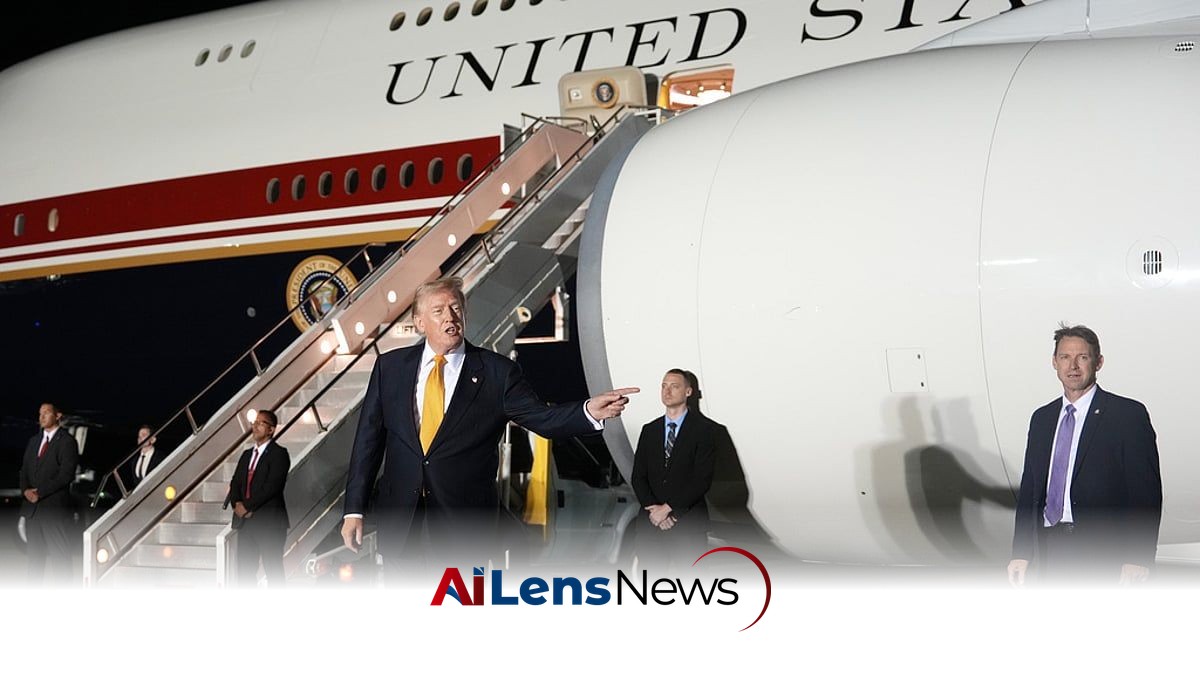
Reports indicated that an individual was seen in close proximity to the hotel carrying a shoulder-fired missile, a weapon that poses a substantial risk to aircraft and high-profile individuals. The sighting of such a weapon heightened fears of a potential attack, leading to immediate action from the U.S. security apparatus. The situation necessitated the implementation of a secret decoy plan involving Air Force One, the aircraft designated for presidential transport, which was designed to protect Trump in light of the suspected missile threat.
This incident has sparked significant discussions and debates within Washington regarding the extent of congressional awareness about the security risks faced by the president during the NATO summit. The Gang of Eight, a group of eight senior congressional leaders responsible for overseeing the intelligence community, reportedly was not briefed on the incident. This lack of communication has raised eyebrows among lawmakers, who are now questioning the transparency and effectiveness of the intelligence operations surrounding the event.
The implications of this incident extend beyond immediate security concerns. The precision of Iranian intelligence regarding Trump's whereabouts has been particularly troubling for his security team, as it highlights potential vulnerabilities in the protective measures in place during high-profile international events. Such breaches can have far-reaching consequences, not only for the individuals directly involved but also for U.S. foreign relations, especially with nations perceived as adversaries.
In the context of international diplomacy, the security of world leaders during summits is of paramount importance. High-profile events like NATO summits are often targets for various groups seeking to make political statements or disrupt diplomatic efforts. The ability of foreign intelligence agencies to gather information about the movements and locations of leaders can drastically alter the dynamics of such meetings, potentially endangering the leaders involved.
The incident also raises questions about the adequacy of security protocols in place during international gatherings. Given the high stakes involved, one would expect that measures to prevent breaches of this nature would be robust and comprehensive. The fact that Iranian operatives were able to ascertain Trump's hotel floor suggests a need for a reevaluation of existing security measures and protocols to ensure the safety of U.S. officials abroad.
Furthermore, the response to the incident, particularly the deployment of a decoy plan, underscores the lengths to which U.S. security forces must go to mitigate risks. This operation not only involved complex logistical considerations but also required a high level of coordination among various branches of the military and intelligence communities. The decision to utilize Air Force One in a decoy capacity reflects the seriousness of the threat and the need for immediate and effective countermeasures.
In addition to the immediate security implications, the incident has broader ramifications for U.S. intelligence operations. The failure to brief the Gang of Eight on such a critical security threat raises concerns about the communication channels within the intelligence community. Lawmakers have expressed frustration over the lack of transparency, which could lead to a breakdown of trust between the executive branch and Congress. Effective oversight of intelligence operations is essential for maintaining checks and balances, and incidents like this could erode that trust.
Moreover, the incident may have lasting effects on U.S.-Iran relations. The revelation that Iran had such detailed knowledge of Trump's movements could lead to heightened tensions between the two nations. It may prompt U.S. officials to reassess their approach to dealing with Iran, particularly in the context of ongoing negotiations related to nuclear agreements and regional stability. The incident could be used by hardliners within the U.S. to argue for a more aggressive stance against Iran, potentially complicating diplomatic efforts.
As the political landscape continues to evolve, the implications of this incident will likely reverberate through both domestic and international arenas. The safety of the president is a paramount concern, and any perceived failures in security can lead to significant political fallout. Moving forward, it will be crucial for U.S. officials to address the vulnerabilities exposed by this incident and to enhance the security protocols in place for future international engagements.
In conclusion, the revelation of Iranian intelligence regarding Trump's hotel floor during the NATO summit raises serious security concerns that extend beyond the immediate threat. It highlights vulnerabilities in the U.S. security apparatus, raises questions about congressional oversight of intelligence operations, and could have lasting implications for U.S.-Iran relations. As discussions unfold in Washington, it is clear that the need for improved communication and enhanced security measures is more pressing than ever.
Understanding the context of this incident is essential in grasping its full implications. The NATO summit itself was a critical gathering of world leaders, aimed at discussing pressing global issues, including security, defense spending, and collective responses to threats from adversarial nations. Given the high-profile nature of such summits, they are often susceptible to intelligence gathering by hostile nations. The fact that Iranian operatives could pinpoint Trump's location within the hotel underscores not only a lapse in security but also the sophistication of Iranian intelligence operations.
Historically, incidents involving the safety of U.S. presidents have led to significant shifts in policy and security protocols. For instance, the assassination of President John F. Kennedy in 1963 prompted sweeping changes in presidential security measures, ultimately leading to the establishment of more stringent protocols for protecting the president during public appearances and international trips. Similarly, the events of September 11, 2001, resulted in a complete overhaul of national security strategies, including the creation of the Department of Homeland Security and the implementation of the USA PATRIOT Act, which expanded surveillance capabilities to prevent future attacks.
In light of this recent incident, it is likely that U.S. authorities will conduct a thorough review of security measures not only for the president but also for all high-ranking officials attending international summits. This review may include enhanced intelligence-sharing protocols, increased physical security measures at venues, and improved coordination between local law enforcement and U.S. security services. Given the global nature of threats, international cooperation on security matters may also be prioritized to ensure that leaders can meet without fear of attack.
Furthermore, the political ramifications of this incident cannot be underestimated. As lawmakers grapple with the implications of the security breach, there may be calls for increased funding for security measures and intelligence operations. This could lead to debates within Congress regarding budget allocations for national security, potentially impacting other areas of government spending. Additionally, the incident could fuel partisan discussions about the effectiveness of the current administration's foreign policy and security strategies.
Internationally, this incident might embolden adversarial nations to bolster their intelligence operations against the U.S. and its allies. The perception that U.S. leaders are vulnerable could encourage hostile nations to pursue more aggressive tactics in their intelligence-gathering efforts, thereby complicating the already tense geopolitical landscape. This could lead to an escalation of hostilities, particularly in regions where U.S. interests are closely intertwined with those of adversarial nations.
Ultimately, the incident serves as a stark reminder of the complex and often dangerous world of international diplomacy. World leaders operate under constant scrutiny and threat, and the need for robust security measures is paramount. As the U.S. navigates its foreign policy and security challenges, the lessons learned from this incident will likely shape future approaches to protecting its leaders and maintaining diplomatic relations in an increasingly volatile global environment.
To learn more about the latest developments in Politics, stay updated with our exclusive reports and analyses on AiLensNews.

