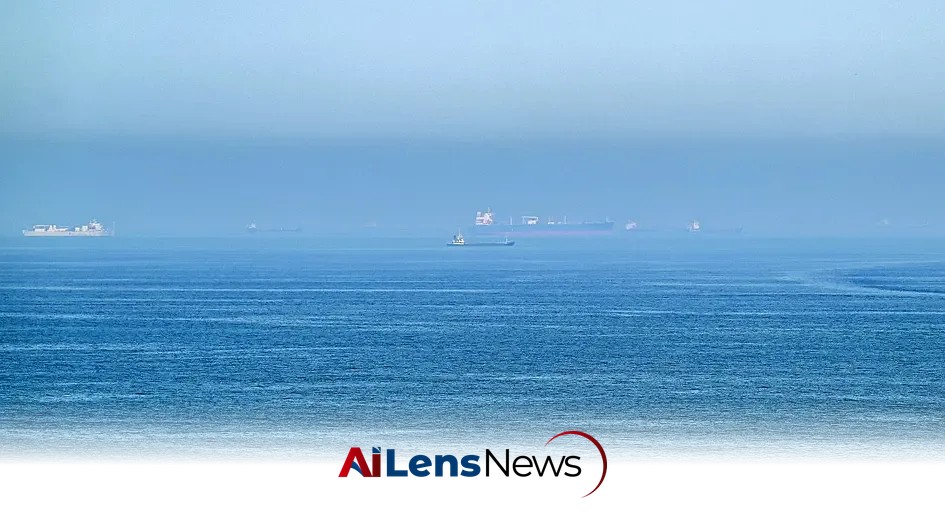


An Iranian missile strike on two oil tankers in the UAE has resulted in the death of an Indian crew member, prompting condolences from the Indian government.
Abu Dhabi, United Arab Emirates Jul 14, 2026 ALN: In a significant escalation of tensions in the region, two oil tankers registered in the United Arab Emirates were struck by missiles reportedly fired from Iran. The attack resulted in the tragic death of one Indian crew member, raising concerns over maritime security in the Gulf. This incident is a stark reminder of the volatile geopolitical landscape that characterizes the Middle East, particularly the fraught relationships between Iran and its neighboring states.
The Ministry of Foreign Affairs of India expressed its deep condolences and sympathy to the family of the deceased, as well as to the Government and people of India. This incident has highlighted the ongoing geopolitical tensions in the region, particularly between Iran and its neighbors. The death of a foreign national in such a violent manner not only affects the immediate family but also reverberates through diplomatic channels, prompting discussions about the safety of foreign nationals working in conflict-prone areas.
The missile strikes occurred in the early hours, targeting the oil tankers while they were navigating through a busy shipping lane. Eyewitness reports indicate that the explosions were significant, causing substantial damage to the vessels and leading to a fire onboard. The Gulf region is known for its heavy maritime traffic, particularly involving oil tankers that transport crude oil and petroleum products to various parts of the world. This attack underscores the vulnerability of these vital shipping routes, which are essential for global energy supply.
Initial assessments suggest that the missiles were launched from Iranian territory, raising alarm bells regarding Iran's military capabilities and its willingness to project power beyond its borders. Such attacks are not unprecedented; there have been previous instances of maritime confrontations in the Gulf, often involving Iranian forces targeting vessels perceived to be aligned with its adversaries. The implications of this incident could lead to a reassessment of naval security protocols in the region.
The international community has reacted with alarm to this incident. Various nations have called for restraint and emphasized the importance of maintaining peace in the Gulf region. The United States condemned the attack, reiterating its commitment to ensuring the safety of maritime navigation. Washington has a vested interest in the stability of the Gulf, given that a significant portion of its energy imports and global oil supplies traverse these waters.
Additionally, the United Nations has expressed concern over the escalating violence and urged all parties to engage in dialogue to de-escalate tensions. The UN has long been involved in mediating disputes in the region, and this incident could prompt a renewed focus on diplomatic solutions to prevent further violence. Countries in the Gulf Cooperation Council (GCC), including Saudi Arabia and the UAE, are likely to increase their military readiness and may seek further support from allies such as the United States to bolster their defenses against potential Iranian aggression.
This attack raises serious questions about the security of shipping routes in the Gulf, which are vital for global oil supplies. Experts warn that such incidents could lead to increased military presence in the region and heightened tensions between Iran and other Gulf states. The Strait of Hormuz, a critical chokepoint for oil transport, has been a flashpoint for conflict in the past, and this incident could lead to further militarization of the area.
Insurance rates for shipping in the region may rise, reflecting the increased risk associated with navigating these waters. Shipping companies may also reconsider their routes, opting for longer but safer passages, which could disrupt global supply chains. Furthermore, the incident may lead to calls for enhanced naval escorts for commercial vessels operating in the Gulf, a move that could further escalate military tensions.
The attack on the oil tankers cannot be viewed in isolation but should be understood within the broader context of ongoing geopolitical rivalries in the Middle East. Iran's relationship with its neighbors, particularly Saudi Arabia and the UAE, has been characterized by suspicion and hostility, exacerbated by Iran's nuclear ambitions and its support for proxy groups in the region.
In recent years, there have been numerous incidents involving Iranian forces and vessels from other countries, which have raised alarms regarding freedom of navigation and regional security. The U.S. has responded to Iranian provocations with sanctions and military deployments, which have further strained relations. This cycle of provocation and retaliation contributes to a climate of fear and uncertainty in the region.
The loss of life in this incident underscores the human cost of geopolitical conflicts. As investigations continue, the focus remains on ensuring the safety of maritime operations and preventing further escalation in the region. The death of the Indian crew member may serve as a catalyst for increased international dialogue on maritime security, with nations potentially coming together to address the threats posed by state and non-state actors in the Gulf.
In the aftermath of this tragic event, it is crucial for the international community to engage in constructive dialogue aimed at de-escalating tensions and fostering a more secure maritime environment. The Gulf region is not only vital for oil transport but also for global economic stability, and any disruption can have far-reaching consequences. As stakeholders assess the implications of this attack, the hope is that it will prompt a renewed commitment to peace and security in a region that has seen too much conflict.
Moreover, the implications of this attack extend beyond immediate security concerns. It raises critical questions about the efficacy of existing international maritime laws and the mechanisms in place to protect vessels operating in high-risk areas. The incident may trigger discussions at international forums, including the International Maritime Organization (IMO), regarding the need for enhanced protections for commercial shipping in conflict zones.
Furthermore, the geopolitical ramifications could lead to shifts in alliances and partnerships, as countries reassess their security strategies in light of Iranian aggression. The potential for increased military collaboration among Gulf states and their allies could alter the landscape of regional power dynamics, leading to a more militarized environment.
As the situation develops, it will be essential for the international community to monitor the situation closely and respond with a unified approach that prioritizes diplomatic engagement over military confrontation. The overarching goal should be to create a framework for lasting peace and stability in the Gulf region, which has long been a theater of conflict and geopolitical rivalry.
To learn more about the latest developments in World News & International Affairs, stay updated with our exclusive reports and analyses on AiLensNews.

