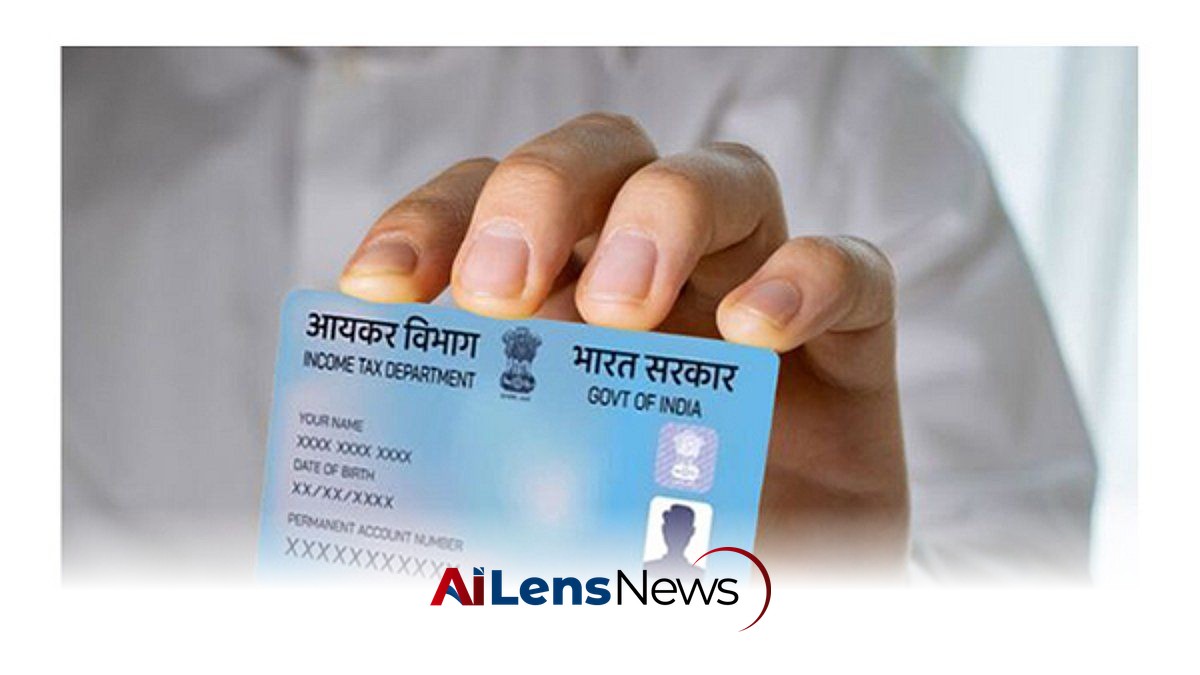


UAE-based Indian expats must ensure their PAN reflects NRI status before filing ITR to avoid higher TDS and delays in refunds.
Abu Dhabi, United Arab Emirates Jul 23, 2026 ALN: Dubai: UAE-based Indians should check whether their residential status is correctly recorded in India’s Permanent Account Number (PAN) database, particularly before filing an Income Tax Return (ITR) or carrying out a major financial transaction in India. The importance of this verification cannot be overstated, as it can significantly impact a taxpayer's financial dealings and compliance with both Indian and UAE tax regulations.
Moving abroad does not automatically update the PAN database. The PAN number itself remains unchanged for life, but personal details and residential status linked to it may require correction. This is particularly relevant for Indian expatriates who have relocated to the UAE, as they may have different tax obligations and residency status compared to when they were residing in India.
PAN holders who were required to link their PAN with Aadhaar but missed the June 30, 2023 deadline had their PANs made inoperative from July 1, 2023. This requirement is part of the Indian government's efforts to streamline tax compliance and prevent tax evasion. However, it is crucial to note that non-residents under India’s income-tax law are exempt from mandatory PAN-Aadhaar linking. Yet, some NRIs found their PANs marked inoperative because their non-resident status had not been recorded by the Income Tax Department.
The Income Tax Department clarified that it would map NRI status where a taxpayer had filed an ITR as a non-resident in any of the previous three assessment years or had informed the Jurisdictional Assessing Officer (JAO). This means that NRIs who have not filed returns as non-residents or have not communicated their status to the JAO may find themselves facing complications with their PAN.
Affected NRIs were asked to submit their residential-status details and supporting documents to the JAO. This process can be cumbersome, as it requires providing adequate proof of residency and may involve additional follow-ups with the tax authorities.
The Income Tax Department has clarified that an inoperative PAN is not a cancelled PAN. An affected taxpayer can still file an ITR, but may face restrictions. The main consequences include:
Tax refunds and related interest may be withheld, which can create financial strain for NRIs who rely on timely refunds.
TDS (Tax Deducted at Source) may apply at a higher rate, meaning that NRIs could end up paying more tax upfront, which could affect their cash flow.
TCS (Tax Collected at Source) may be collected at a higher rate, further complicating financial transactions.
Tax processing and financial transactions may face delays, which can hinder investment opportunities or other financial dealings in India.
An NRI may later claim excess TDS through an ITR, subject to tax rules. However, an inoperative PAN could still delay the resulting refund, exacerbating financial issues.
PAN connects your Indian tax returns, tax payments, TDS records, Annual Information Statement, and communication with the Income Tax Department. It is also commonly required for investments, securities transactions, and property deals in India. Banks, brokers, and mutual fund companies may use it during Know Your Customer (KYC) checks, which are essential for establishing a legitimate financial relationship.
Updating the Income Tax Department’s records does not automatically change the information held by a bank, broker, or other institution. NRIs may need to update their KYC status with each organization separately, which can be a time-consuming process and may require additional documentation.
No. Indian tax residency is calculated separately for each financial year using the applicable day-count, income, and other statutory tests. This means that even if an NRI has updated their PAN status, it does not automatically establish their residency for future years. Being employed in the UAE or holding a UAE residence visa does not by itself establish non-resident status for Indian income-tax purposes. This complexity underscores the importance of understanding the nuances of tax laws in both India and the UAE.
The India-UAE Double Taxation Avoidance Agreement (DTAA) can provide relief where its conditions are met. However, PAN alone does not establish eligibility. Depending on the claim, a taxpayer may need a UAE Tax Residency Certificate, Form 10F, and other prescribed information to substantiate their claims under the treaty. Indian rules also provide limited relief from higher TDS for certain non-residents without PAN when they submit specified identity, address, and tax-residency documents. This highlights the interconnectedness of tax regulations across borders and the need for NRIs to be well-informed about their obligations.
To ensure compliance, NRIs should visit the Income Tax Department’s e-filing portal and use the “Verify Your PAN” service. After logging in, they can check:
Whether the PAN is operative
PAN-Aadhaar linking status
Residential status in your profile
Residential status used in recent ITRs
If the PAN is operative and the department already recognizes the taxpayer as a non-resident, no correction may be required solely because they live outside India. However, proactive checks are advisable to avoid complications.
If your PAN is inoperative because your NRI status was not recorded, it is essential to contact your JAO. You can locate the officer through the “Know Your AO” service on the tax portal. Submit a request to update your residential status with supporting records. These may include:
PAN copy
Passport and relevant travel pages
UAE residence visa or Emirates ID
Proof of time spent outside India
OCI or overseas citizenship documents, where applicable
The officer may request further information, and it is important to note that the Income Tax Department has not set a standard one-month completion period for every case. This variability can lead to uncertainty for NRIs who are trying to navigate their tax obligations effectively.
NRIs should not rely solely on editing their online profile to restore an inoperative PAN. The department directs affected taxpayers to submit their request to the JAO, emphasizing the need for formal communication and documentation to ensure that their status is correctly updated.
To learn more about the latest developments in Crime & Law, stay updated with our exclusive reports and analyses on AiLensNews.

