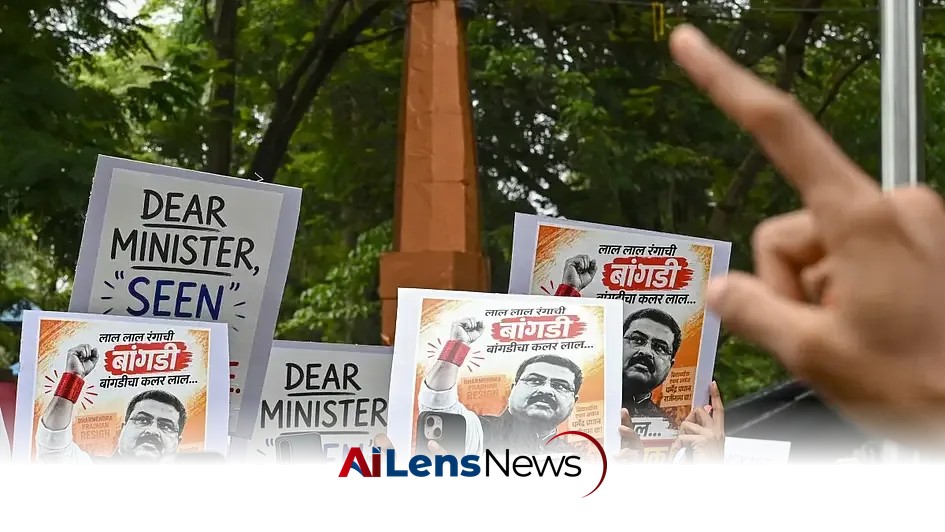


Dharmendra Pradhan announced his resignation on social media as police clashed with protesters in New Delhi, escalating tensions in the capital.
Abu Dhabi, United Arab Emirates Jul 25, 2026 ALN: In a surprising turn of events, India's Minister of Education, Dharmendra Pradhan, has submitted his resignation. The announcement came via a post on social media platform X, coinciding with a significant protest in the capital, New Delhi, where police resorted to firing tear gas to disperse demonstrators. This incident marks a critical juncture in India's education sector, which has been under scrutiny for various systemic issues.
The protests erupted over a multitude of grievances concerning the education sector, including demands for better infrastructure, increased funding, and reforms in educational policies. Protesters, comprising students, teachers, and educational activists, gathered in large numbers, expressing their frustrations and calling for immediate action from the government. Many protesters carried placards highlighting their demands for quality education, equitable access to resources, and the need for a more inclusive educational framework.
The protests are not isolated incidents but rather part of a larger narrative of public discontent that has been growing in India. Over the past several years, issues such as inadequate school facilities, high student-to-teacher ratios, and insufficient funding for public education have been persistent concerns. Students and educators have voiced their dissatisfaction with the current system, which they believe is failing to meet the needs of a rapidly changing society.
As tensions escalated, police were deployed in significant numbers to manage the situation. The use of tear gas to control the crowd has raised concerns about the handling of protests in the capital, especially given the ongoing discussions regarding educational reforms. Critics argue that the government’s response to peaceful protests reflects a larger issue of how dissent is managed in India, particularly in light of the increasing number of protests across various sectors. This raises questions about the balance between maintaining public order and respecting the right to protest, a fundamental aspect of democratic governance.
Pradhan's resignation marks a pivotal moment in Indian politics, particularly in the education sector, which has faced scrutiny in recent years. His tenure has been characterized by various initiatives aimed at improving educational standards and accessibility, such as the National Education Policy (NEP) 2020, which sought to overhaul the education system by introducing new curricula and pedagogical approaches. However, despite these initiatives, challenges remain, including disparities in educational quality across different states and a lack of adequate funding for public schools.
The NEP 2020 was intended to address some of these issues by promoting holistic and multidisciplinary education, enhancing teacher training, and increasing the focus on vocational education. However, the implementation of these policies has been inconsistent, leading to frustration among stakeholders who feel that the promised changes have not materialized effectively. Critics argue that while the policy framework is ambitious, the actual execution on the ground has been lacking, resulting in continued inequities in the education system.
The minister's departure has sparked discussions about the future direction of educational policies in India and who will take over the crucial role. Observers are keenly watching how this will impact ongoing reforms and the response to the protesters' demands. The appointment of a new education minister could signal a shift in policy direction, especially if the new appointee is more responsive to the concerns raised by students and educators during the recent protests. The new minister will face the daunting task of not only addressing the immediate grievances but also restoring trust in the education system.
Furthermore, the implications of Pradhan's resignation extend beyond the education sector. It reflects a broader political landscape in India, where public discontent has been rising in various sectors, including healthcare, employment, and social justice. The government's ability to respond effectively to these protests could influence its popularity and electoral prospects in future elections. As citizens become more politically engaged, their expectations for government accountability and responsiveness continue to grow.
In recent years, the education sector has been a focal point for many young Indians, who are increasingly vocal about their rights and expectations from the government. The demands for better educational infrastructure and resources are not merely about immediate needs; they reflect a deeper desire for systemic change that addresses long-standing inequalities in the education system. Young people are demanding not only access to quality education but also a say in how educational policies are shaped and implemented.
Moreover, the protests have highlighted the role of social media in mobilizing public opinion and organizing collective action. Platforms like X have become vital tools for activists and citizens alike to raise awareness about pressing issues and to galvanize support for their causes. This trend is likely to continue as young people increasingly leverage digital platforms to advocate for change. The ability to share experiences, organize events, and spread information rapidly has transformed the landscape of activism in India, making it more accessible and widespread.
As the situation develops, it remains to be seen how the government will address the concerns raised by the youth and the implications of this resignation on the broader political landscape. The response from the government could either quell the unrest or exacerbate it, depending on how effectively they engage with the protesters and address their demands. A proactive approach that involves dialogue with stakeholders, including students and educators, may help to alleviate tensions and foster a more collaborative environment for educational reform.
In conclusion, Pradhan's resignation amidst the protests signifies not just a change in leadership but also a potential turning point for educational policies in India. The coming weeks will be crucial in determining how the government navigates this challenging landscape and whether it can restore public confidence in its commitment to education and reform. As stakeholders await the appointment of a new education minister, the focus will likely remain on how the government plans to engage with the pressing issues raised by the demonstrators and the broader implications for India's educational future. The outcome of this situation will not only shape the trajectory of educational policy but also reflect the government's responsiveness to the aspirations of its citizens.
To learn more about the latest developments in Politics, stay updated with our exclusive reports and analyses on AiLensNews.

