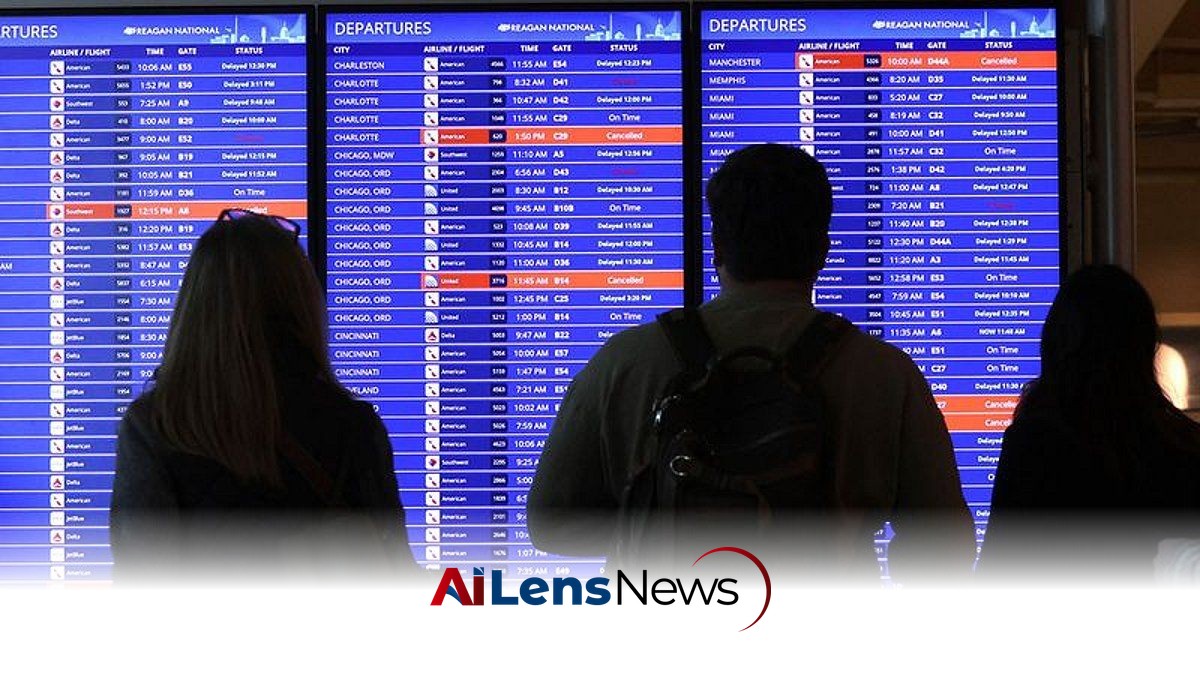


As tensions rise in the Middle East, the US, UK, Canada, and Australia have issued fresh travel warnings, prompting airlines to adjust flights. Travelers are advised to stay informed and prepared for disruptions.
Abu Dhabi, United Arab Emirates Jul 24, 2026 ALN: The ongoing tensions in the Middle East have prompted multiple governments to issue travel warnings for their citizens, reflecting a growing concern over the security situation in the region. As geopolitical dynamics shift and conflicts escalate, these advisories serve as crucial guidance for travelers planning to visit or transit through affected areas. The Middle East has long been a region marked by conflict, with various nations experiencing political instability, military confrontations, and civil unrest. The current situation is characterized by heightened tensions between Iran and the United States, as well as ongoing conflicts in countries such as Syria, Yemen, and Iraq. These factors contribute to a complex security environment that poses risks to travelers.
The United States has been particularly vocal regarding the risks associated with travel to the Middle East. In response to the escalating tensions, the US Department of State has issued a Worldwide Caution. This advisory emphasizes the need for American citizens to remain vigilant while traveling, highlighting the potential for flight disruptions, which can include cancellations, airspace closures, and other travel interruptions. This warning is particularly pertinent given the recent history of air travel in the region, where conflicts have led to the grounding of flights and changes in air traffic routes. The repercussions of such disruptions can be significant, affecting not only those directly involved but also the broader travel and tourism sectors.
Travelers are advised to stay informed about their flight statuses and to check directly with airlines before making travel plans. This is especially important as some airlines have already postponed the resumption of services or canceled routes altogether due to the uncertain security situation. The US Department of State's advisory underscores the importance of preparedness in the face of potential disruptions, urging travelers to have contingency plans in place. This could involve securing travel insurance that covers cancellations due to geopolitical events or staying in close contact with local authorities for real-time updates.
Similarly, the United Kingdom's Foreign, Commonwealth and Development Office (FCDO) has issued warnings reflecting the unpredictable nature of the security landscape in the Middle East. Despite the announcement of a memorandum of understanding between the US and Iran, the FCDO cautions that the situation could change rapidly, and attacks could resume without warning. This unpredictability is a significant concern for British nationals traveling in the region. The FCDO advises travelers to follow local authority guidance, monitor both local and international news, and ensure that travel documents are up to date. Regularly reviewing travel plans is also recommended, as the security situation can evolve quickly, necessitating adjustments to itineraries. The FCDO's warning extends to the potential impact on airports and civilian infrastructure during periods of heightened tension, emphasizing that travelers should remain alert and adaptable.
In Canada, the government has taken a similar stance, advising against non-essential travel to the United Arab Emirates (UAE). The advisory specifically notes the risk of renewed missile and drone attacks in the region, which could lead to further flight cancellations and travel disruptions. Canadian authorities have also highlighted the importance of understanding local laws, particularly regarding photography and sharing images of military facilities or security incidents, which can carry severe penalties. This underscores the necessity for travelers to familiarize themselves with cultural norms and legal expectations in the countries they visit, as violations can lead to serious consequences.
The implications of these travel warnings extend beyond individual safety; they also reflect broader geopolitical concerns. The travel advisories signal the potential for escalating conflicts that can have far-reaching effects on international relations and regional stability. For instance, the ongoing tensions between Iran and the US could impact not only bilateral relations but also the dynamics among other nations in the region, including those with vested interests in Middle Eastern affairs. Countries like Saudi Arabia, Israel, and Turkey, each have their own strategic considerations and alliances that could be influenced by developments in US-Iran relations.
Moreover, the advisories highlight the interconnectedness of global security. As travelers from various countries navigate the complexities of international travel, the potential for disruptions can affect not just those directly involved but also the economies and diplomatic relations of nations worldwide. The travel industry, in particular, is sensitive to these developments, as airlines and tourism sectors may experience significant setbacks due to diminished traveler confidence and altered travel patterns. The economic ramifications can be extensive, impacting jobs, local businesses, and government revenues in regions that rely heavily on tourism.
In light of these warnings, it is essential for travelers to approach their plans with caution and awareness. This includes staying informed about the geopolitical climate, understanding the implications of travel restrictions, and being prepared for potential changes to their itineraries. Additionally, travelers should consider engaging with local experts or agencies that can provide real-time information and support in navigating the complexities of travel in a volatile region. Utilizing resources such as travel forums, local news outlets, and government advisories can be invaluable in making informed decisions.
As the situation in the Middle East continues to evolve, it remains crucial for governments and travelers alike to prioritize safety and security. The issuance of travel warnings serves as a reminder of the importance of vigilance and preparedness in a world where geopolitical tensions can have immediate and profound effects on daily life and travel. The ability to adapt to changing circumstances is vital, as is the understanding that the safety of travelers often depends on broader geopolitical dynamics that are beyond their control.
In conclusion, as tensions in the Middle East continue to rise, the issuance of travel warnings by various governments reflects a serious concern for the safety of citizens abroad. Travelers are urged to remain informed, flexible, and prepared for potential disruptions. The implications of these advisories extend beyond personal safety, affecting international relations, economic stability, and the very fabric of global travel. As such, it is imperative for individuals planning to travel to or through the Middle East to heed these warnings and approach their travels with a heightened sense of awareness and caution.
To learn more about the latest developments in Health & Public Safety, stay updated with our exclusive reports and analyses on AiLensNews.

