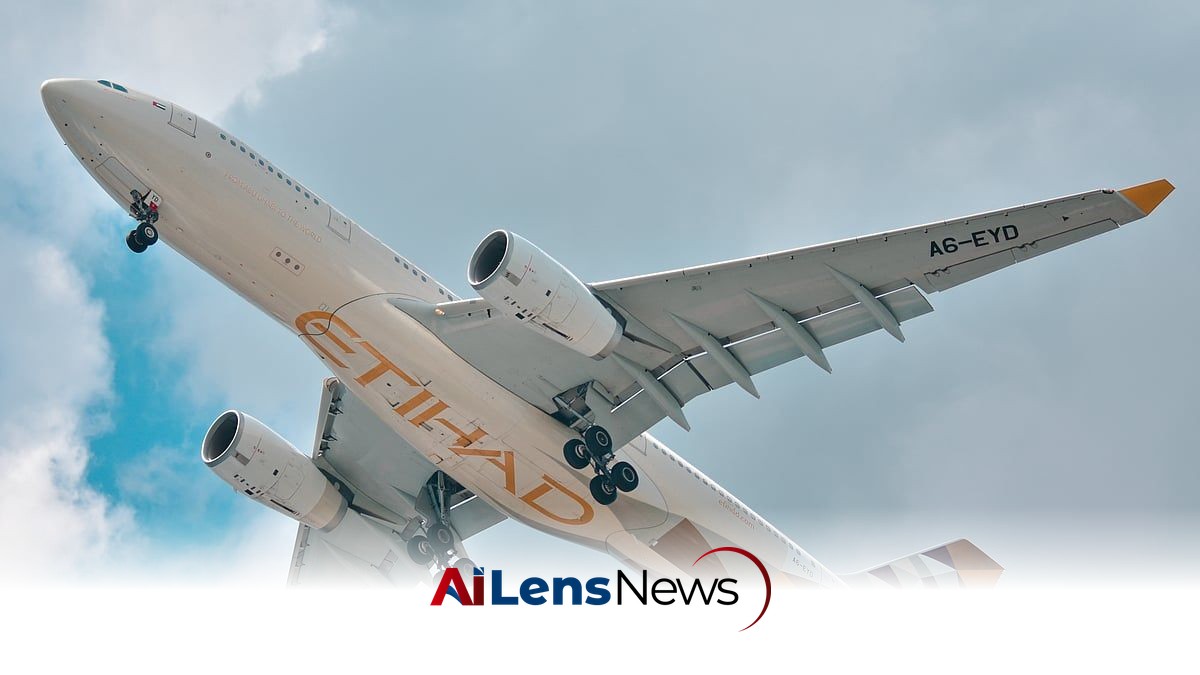


Etihad Airways has canceled flights from Abu Dhabi to Bahrain due to disruptions at Bahrain International Airport linked to escalating US-Iran tensions.
Abu Dhabi, United Arab Emirates Jul 16, 2026 ALN: Etihad Airways, the national airline of the United Arab Emirates, has recently made headlines due to its decision to cancel flights to Bahrain amidst rising regional tensions, particularly stemming from the ongoing conflict involving Iran, the United States, and Israel. The situation escalated significantly on July 16, when Flight EY647, which had departed from Abu Dhabi's Zayed International Airport, was forced to turn back to its origin due to disruptions at Bahrain International Airport. This incident highlights the broader implications of geopolitical strife on commercial aviation in the Middle East.
The cancellation of both the outbound EY647 service from Abu Dhabi to Bahrain and the return EY648 flight from Bahrain to Abu Dhabi was announced shortly after the flight's return. Etihad Airways issued an operations update, indicating that the airline is closely monitoring the situation and will keep affected passengers informed. In their communication, the airline emphasized their commitment to passenger safety, stating, "the safety and comfort of our guests and crew are our number one priority." This reflects a growing concern among airlines operating in volatile regions, where passenger safety can be compromised due to external factors.
Etihad Airways typically operates up to five non-stop flights each day between Abu Dhabi and Bahrain, although the frequency may vary based on the season and day of the week. Despite the cancellation of the two flights, the airline's booking platform noted that the remaining flights for that day would operate as scheduled, indicating a cautious approach to maintaining service while prioritizing safety. This decision underscores the complexities airlines face when balancing operational efficiency with the need to respond to rapidly changing geopolitical landscapes.
The disruptions in air travel are not isolated incidents but part of a larger trend affecting the aviation industry in the Middle East. The escalating conflict involving Iran, the US, and Israel has created an atmosphere of uncertainty, prompting several airlines to adjust their operations across the region. The tensions have led to increased scrutiny of flight paths, security protocols, and overall risk assessments for airlines operating in or near conflict zones.
Geopolitical tensions in the Middle East have a long history, with various conflicts influencing air travel for decades. The ongoing rivalry between Iran and its regional adversaries, particularly the US and Israel, has been a significant factor in shaping the security environment in the region. Recent developments, including military actions and diplomatic maneuvers, have exacerbated these tensions, leading to increased risks for commercial flights. Airlines must navigate these challenges while ensuring the safety of their passengers and crew, which often results in operational changes, route adjustments, and, in some cases, cancellations.
For passengers, the implications of such cancellations can be significant. Travelers may experience disruptions to their travel plans, leading to missed connections, additional expenses, and the potential for extended delays. Etihad Airways' proactive communication regarding the situation is essential in helping affected passengers manage their travel itineraries and make alternative arrangements if necessary. The airline's commitment to keeping passengers informed is a crucial aspect of customer service during times of crisis.
In addition to immediate operational impacts, the broader economic consequences of such cancellations can also be felt. The aviation industry is a critical component of the economy in the Gulf region, contributing to tourism, trade, and connectivity. Disruptions in air travel can have ripple effects on local businesses, hospitality sectors, and tourism, which rely heavily on the flow of international travelers. As airlines like Etihad navigate these challenges, they must also consider the long-term implications of regional instability on their operations and financial performance.
Moreover, the situation raises questions about the future of air travel in the region. As tensions continue to simmer, airlines may need to reassess their operational strategies and risk management frameworks. This could lead to changes in flight routes, increased security measures, and potentially higher costs for travelers. The need for airlines to adapt to evolving geopolitical realities may also drive innovation in safety protocols and operational practices.
The Middle East has been a focal point of geopolitical tension for decades, with historical rivalries, territorial disputes, and sectarian divides contributing to a complex security landscape. The current situation involving Iran, the US, and Israel is just the latest chapter in a long history of conflict that has often spilled over into the aviation sector. Airlines operating in this region must remain vigilant, adjusting their operational strategies to mitigate risks associated with these tensions. This often involves close collaboration with government agencies and security experts to ensure compliance with safety regulations and to maintain the confidence of travelers.
In recent years, the rise of drone technology and missile capabilities among regional actors has further complicated the security environment for commercial aviation. Incidents of missile attacks on airports and aircraft have raised alarms, prompting airlines to re-evaluate their flight paths and security protocols. The potential for conflict to impact civilian air travel has become a pressing concern, leading to increased scrutiny of routes that traverse conflict zones.
As airlines like Etihad Airways navigate these challenges, they also face the pressure of maintaining profitability in an increasingly competitive market. The aviation industry is known for its thin profit margins, and disruptions caused by geopolitical tensions can have cascading effects on financial performance. Airlines must balance the need for operational flexibility with the imperative to ensure passenger safety, often leading to difficult decisions regarding flight cancellations and route adjustments.
In conclusion, the recent flight cancellations by Etihad Airways to Bahrain serve as a stark reminder of the intricate relationship between geopolitical tensions and the aviation industry. As the situation in the Middle East remains fluid, airlines must remain vigilant in monitoring developments and adapting their operations accordingly. The safety of passengers and crew will continue to be the paramount concern for airlines, as they strive to navigate the complexities of operating in a region marked by uncertainty and conflict. The broader implications for the aviation industry, regional economies, and international travel will require ongoing attention and adaptive strategies in the face of evolving challenges. The ability of airlines to respond effectively to these geopolitical dynamics will be crucial in maintaining operational viability and ensuring the safety of air travel in the region.
To learn more about the latest developments in Local & Regional, stay updated with our exclusive reports and analyses on AiLensNews.

