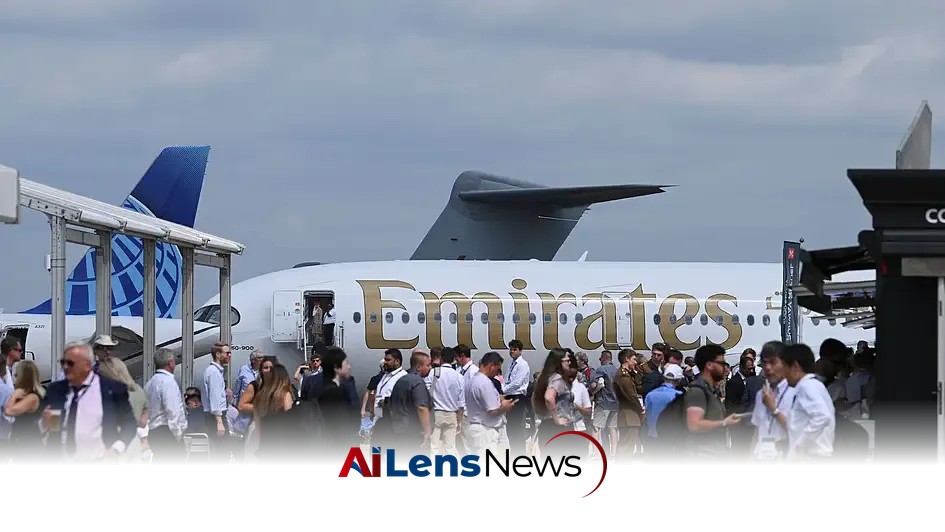


At the Farnborough Airshow, Emirates Airlines' president announced full premium cabins and no plans to defer aircraft orders, reaffirming growth strategies.
Abu Dhabi, United Arab Emirates Jul 22, 2026 ALN: At the recent Farnborough Airshow, Emirates Airlines President Tim Clark announced that the airline is currently operating at an impressive 90% capacity. This surge in demand has seen premium cabins fully booked, indicating a robust recovery in air travel following the pandemic. The aviation industry, which was severely impacted by global travel restrictions and health concerns during the COVID-19 pandemic, is now experiencing a significant rebound. As countries ease restrictions and vaccination rates increase, travelers are returning to the skies in greater numbers, eager to resume both leisure and business travel.
The recovery of the aviation sector is a significant development, particularly in light of the dramatic downturn experienced during the pandemic. In 2020, air travel plummeted due to lockdowns and travel bans imposed by governments worldwide. Airlines faced unprecedented challenges, including massive financial losses, layoffs, and a restructuring of operations. As a result, many carriers were forced to rethink their business models and strategies to survive the crisis. The return to 90% capacity by Emirates is a clear indication of the industry's resilience and the pent-up demand for travel.
Clark emphasized that Emirates has no intention of deferring its aircraft orders, which reflects the airline's confidence in the ongoing recovery of the aviation sector. The airline's commitment to expanding its fleet is a strategic move to cater to the increasing passenger demand. Emirates has a reputation for maintaining a modern and efficient fleet, and its decision to continue ordering new aircraft suggests a long-term vision aimed at enhancing operational capabilities and improving customer experiences. This approach is particularly important as airlines globally seek to recover from the financial strains imposed by the pandemic.
In addition to the positive capacity news, Clark shared insights about the airline's future projects. Emirates is on track to open a new airport in the UAE by 2032, a significant development that aims to enhance the country's aviation infrastructure and accommodate the anticipated growth in air traffic. The new airport is expected to not only increase the capacity for passenger and cargo flights but also to position the UAE as a central hub for international travel. This strategic initiative aligns with the UAE's broader economic goals, which include diversifying its economy and boosting tourism.
The development of the new airport will likely involve substantial investment and collaboration with various stakeholders, including government entities and private sector partners. Such projects are crucial for sustaining the momentum of growth in the aviation sector and ensuring that the infrastructure keeps pace with the rising demand for air travel. The planned airport is expected to incorporate advanced technology and sustainable design principles, reflecting a commitment to innovation and environmental responsibility.
The announcement comes at a time when the global aviation industry is witnessing a resurgence, with many airlines reporting increased passenger numbers. Emirates, being one of the leading carriers, is well-positioned to capitalize on this trend. The airline’s extensive network, which connects numerous destinations across six continents, allows it to attract a diverse range of travelers. The demand for international travel has surged, particularly in regions where travel restrictions have been lifted and public confidence in air travel has been restored.
Clark's remarks at the airshow highlight the airline's strategic focus on maintaining its growth trajectory while ensuring that it meets the evolving needs of its passengers. With a commitment to customer service excellence and innovative offerings, Emirates aims to differentiate itself in a competitive market. The airline has been known for its luxurious amenities, including spacious seating, gourmet dining options, and in-flight entertainment systems, which continue to attract high-end travelers. This focus on quality service is critical as airlines vie for market share in a recovering landscape.
Moreover, the rise of digital technologies in the aviation sector has transformed how airlines operate and interact with customers. Emirates has invested in digital solutions to streamline operations, enhance customer service, and improve overall efficiency. This includes mobile applications for easy booking and check-in processes, as well as advanced systems for managing flight operations and customer feedback. As the industry evolves, staying ahead of technological advancements will be crucial for Emirates and its competitors. The integration of artificial intelligence and data analytics into operations can help airlines better understand customer preferences and optimize their services accordingly.
In addition to addressing passenger demand and operational efficiency, Emirates is also mindful of its environmental responsibilities. The airline has been actively working on initiatives to reduce its carbon footprint and enhance sustainability practices. This includes investing in newer, more fuel-efficient aircraft, which not only reduces operational costs but also minimizes environmental impact. The aviation industry is under increasing scrutiny regarding its contributions to climate change, and airlines are expected to play a pivotal role in developing sustainable practices to mitigate these effects.
Emirates has committed to various environmental goals, including reducing greenhouse gas emissions and participating in global sustainability initiatives. The focus on sustainability is not only a response to regulatory pressures but also aligns with the growing consumer demand for environmentally responsible travel options. As travelers become more conscious of their carbon footprints, airlines that prioritize sustainability may find themselves at a competitive advantage. Emirates' initiatives in sustainability, such as carbon offset programs and partnerships with environmental organizations, demonstrate a proactive approach to addressing these challenges.
As Emirates Airlines continues to navigate the post-pandemic landscape, its strong capacity utilization and ambitious expansion plans signal a positive outlook for the future of air travel in the region. The airline's proactive approach to fleet expansion, infrastructure development, and sustainability initiatives positions it favorably in a recovering market. With ongoing investments in technology and customer service, Emirates is poised to enhance its reputation as a leading global airline. The recovery of the aviation industry is a complex process, influenced by various factors including economic conditions, public health, and consumer confidence. However, Emirates' current trajectory suggests that it is well-prepared to adapt to these challenges and seize the opportunities that lie ahead.
Looking forward, the aviation industry as a whole will need to remain agile and responsive to changing market dynamics. As travel patterns evolve and new challenges arise, airlines will need to innovate and invest in their operations to ensure long-term sustainability and growth. The success of Emirates Airlines in this context will not only depend on its ability to attract passengers but also on its commitment to addressing the environmental challenges facing the industry, thereby setting a standard for responsible travel in the years to come.
To learn more about the latest developments in Transport & Mobility, stay updated with our exclusive reports and analyses on AiLensNews.

