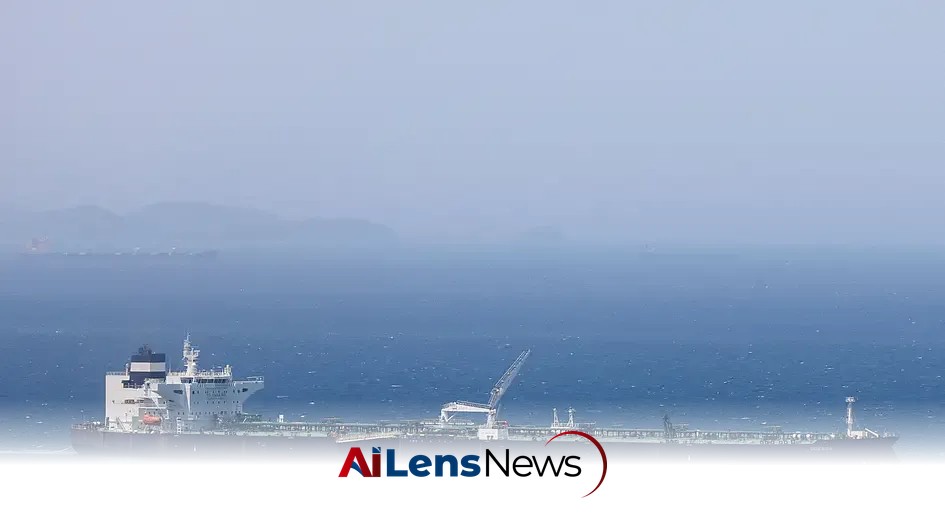


Two supertankers owned by Adnoc were attacked in the Strait of Hormuz, resulting in significant damage and casualties.
Abu Dhabi, United Arab Emirates Jul 14, 2026 ALN: In a concerning development, the Abu Dhabi National Oil Company (Adnoc) has confirmed that two of its supertankers were attacked in the strategically vital Strait of Hormuz. The incident occurred when the vessels were struck by projectiles, leading to significant damage. This attack is not an isolated event but rather a continuation of a series of maritime security threats that have plagued the region, raising concerns about the safety of shipping operations in one of the world’s busiest maritime corridors.
The attack has resulted in the tragic loss of one seafarer’s life, with several others reported injured. This incident raises alarms about the safety of maritime operations in one of the world's busiest shipping lanes, which is crucial for global oil transport. The Strait of Hormuz is particularly significant as it serves as a conduit for approximately 20% of the world's total oil consumption, making it a focal point for international trade and energy supply. The strategic importance of this waterway cannot be overstated, as it connects the oil-rich Gulf states to global markets.
According to Adnoc, the two very large crude carriers (VLCCs) sustained considerable damage from the projectiles. The company has not disclosed the exact nature of the attack or the identity of the perpetrators. However, the incident underscores the ongoing tensions in the region, which have previously led to similar attacks on commercial shipping. In recent years, there has been a notable increase in hostile actions targeting vessels in the Gulf, often attributed to geopolitical rivalries, particularly between Iran and various Western nations, including the United States.
The Strait of Hormuz has been a hotspot for military and paramilitary activities, with various nations asserting their influence over the region. The Iranian government has previously threatened to close the Strait in response to sanctions and military pressures, further complicating the security landscape. The attack on Adnoc’s vessels is likely to exacerbate these tensions and could lead to retaliatory measures or escalated military presence by countries with vested interests in maintaining open shipping lanes. The potential for further conflict is a significant concern, as the region has historically been a flashpoint for military confrontations.
The attack on Adnoc's vessels could lead to heightened security measures and increased military presence in the area as nations seek to protect their maritime interests. Shipping companies may face increased insurance premiums and operational costs, as the perceived risks of navigating through the Strait of Hormuz rise. The potential for further attacks may prompt shipping firms to explore alternative routes, which could result in longer transit times and increased shipping costs, ultimately impacting global oil prices. The economic implications of such shifts could be profound, affecting not only the oil markets but also global trade dynamics.
Moreover, the international community may respond by calling for enhanced naval patrols and cooperative security measures among nations that rely on this critical waterway. The United States, which has previously deployed naval forces to the region to ensure freedom of navigation, might consider increasing its military footprint in response to this latest incident. Such actions could lead to a cycle of escalation, where military posturing becomes more pronounced, thereby increasing the risk of miscalculations or unintended confrontations. The presence of foreign naval forces in the region often heightens tensions further, as seen in past incidents involving U.S. and Iranian naval forces.
International reactions to the attack are expected to be swift, with calls for investigations and increased security protocols for vessels operating in the region. The United Nations and various maritime organizations may convene to discuss the implications of the attack and to formulate a coordinated response to enhance maritime security. Shipping companies may also reconsider their routes and security measures in light of this incident, potentially leading to a significant shift in shipping patterns in the region. This could result in longer routes around Africa or through the Red Sea, which would not only increase costs but also time delays for oil deliveries.
Countries that rely heavily on oil imports from the Gulf may express concern over the potential for supply disruptions resulting from increased hostilities. This could lead to diplomatic efforts aimed at de-escalating tensions in the region. Additionally, oil markets may react to the news, with prices potentially spiking as traders assess the risks associated with transporting oil through the Strait of Hormuz. The volatility of oil prices can have cascading effects on global economies, particularly for countries that are heavily reliant on energy imports.
The attack on Adnoc's supertankers highlights the fragile state of maritime security in the Strait of Hormuz. As investigations continue, the global community will be watching closely to see how this incident impacts shipping operations and regional stability. The implications of this attack extend beyond immediate security concerns; they touch upon broader geopolitical dynamics in the Middle East, the global oil market, and international relations. The fragility of the situation is underscored by the interconnectedness of global energy supplies and the potential for regional conflicts to have far-reaching consequences.
In an era where energy security is paramount, the need for robust maritime security frameworks becomes increasingly critical. Countries must work collaboratively to ensure the safety of vital shipping lanes while addressing the underlying tensions that contribute to such attacks. The situation remains fluid, and the international community must remain vigilant in its efforts to safeguard maritime operations in this pivotal region. The ongoing geopolitical rivalries, particularly between Iran and the United States, will likely continue to influence the security landscape, necessitating a concerted effort by all stakeholders to prevent further escalation and ensure the free flow of commerce through one of the world's most important maritime chokepoints.
To learn more about the latest developments in World News & International Affairs, stay updated with our exclusive reports and analyses on AiLensNews.

