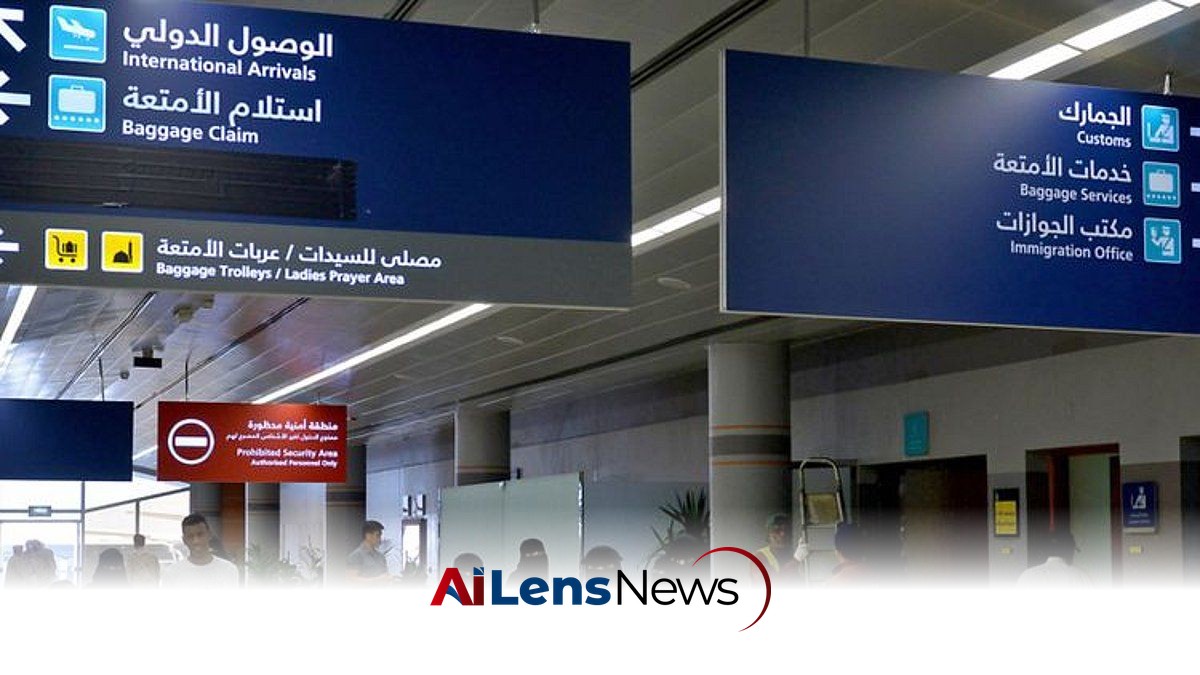


Multiple flights from Abha Airport, including those by Flydubai and Air Arabia, were cancelled after a Houthi attack. No casualties reported.
Abu Dhabi, United Arab Emirates Jul 14, 2026 ALN: Flight operations at Abha International Airport faced significant disruptions following a Houthi attack late Monday. As a result of this incident, multiple flights, including those operated by Flydubai and Air Arabia, were cancelled on Tuesday. This attack is part of a broader pattern of conflict in the region, particularly between Houthi forces and the Saudi-led coalition, which has been ongoing since the Yemeni Civil War escalated in 2015.
The Houthis, a group originating from northern Yemen, have frequently targeted Saudi Arabia with missile and drone strikes, claiming that they are retaliating against Saudi-led military operations in Yemen. The conflict has led to a humanitarian crisis in Yemen, with millions of people facing famine and a lack of basic services. The situation has been further complicated by regional geopolitics, with Iran supporting the Houthis, while Saudi Arabia has garnered support from Western nations, including the United States.
According to data from FlightRadar24, return services from Abha to Dubai and Sharjah were also affected by the cancellations. Specifically, Flydubai flight FZ815 to Dubai, which was scheduled to depart at 12:15 PM, and flight FZ811, set for 5:55 PM, were among the cancelled services. The impact of these cancellations is significant, as they disrupt not only travel plans for individuals but also affect the logistics and business operations that rely on air transport in the region.
FlightRadar24 data indicated that at least ten departures from Abha were cancelled between 11:50 AM and 5:55 PM on Tuesday. This included five flights operated by Saudia and two flights by flyadeal. The cancellations are indicative of the broader disruptions that can occur in the aviation sector due to security threats, which can lead to increased scrutiny and changes in flight operations not just in Abha, but across other airports in the region as well.
Saudia cancelled three of its departures to Riyadh and two services to Jeddah during this timeframe. Additionally, flyadeal cancelled two flights from Abha to Jeddah, originally scheduled for 1:05 PM and 5:25 PM. These cancellations not only inconvenience passengers but also have economic implications, as airlines may face financial losses due to the disruption of their schedules and the potential need for compensation to affected travelers.
The cancellations were a direct consequence of the Houthi attack on Abha International Airport, which occurred just hours after strikes targeted Sanaa International Airport in Yemen. This pattern of attacks raises concerns about the safety of air travel in the region, as airlines must assess the risks associated with operating flights in areas that may be subject to military conflict or terrorist activities.
Fortunately, no casualties were reported following the attack on Abha, as confirmed by the Associated Press. However, the psychological impact on passengers and the local population cannot be understated. Incidents such as these contribute to a climate of fear and uncertainty, which can deter tourism and business travel to the region. The ongoing conflict in Yemen and the surrounding areas has already had a detrimental effect on the local economy, and incidents like this can exacerbate those challenges.
The implications of the Houthi attacks extend beyond immediate flight cancellations. They highlight the ongoing instability in the region, which has far-reaching effects on international relations, regional security, and humanitarian efforts. The Saudi government has been under pressure to ensure the safety of its citizens and the integrity of its infrastructure, and incidents like this challenge their ability to maintain that security.
In response to the attack, the Saudi government may increase its military operations against Houthi positions in Yemen, which could lead to further escalation of the conflict. The international community, including organizations such as the United Nations, has called for a ceasefire and a negotiated settlement to the conflict, but progress has been slow and fraught with challenges.
Moreover, the aviation sector is particularly sensitive to geopolitical tensions. Airlines may need to reassess their operational routes and security protocols in light of such incidents. This could lead to increased costs for airlines as they implement additional security measures and potentially reroute flights to avoid conflict zones.
As the situation develops, it will be important for both the Saudi government and the Houthi leadership to consider the broader implications of their actions. The ongoing cycle of retaliation and violence not only affects those directly involved in the conflict but also has repercussions for civilians, businesses, and international relations.
In conclusion, the recent Houthi attack on Abha International Airport serves as a stark reminder of the fragility of peace in the region. The immediate effects on flight operations are just one aspect of a larger, more complex situation that involves multiple stakeholders and has significant humanitarian, economic, and geopolitical implications. As the conflict continues, the hope for a resolution that addresses the underlying issues remains critical for the stability of Yemen and the surrounding areas.
The Yemeni Civil War has roots that extend back to 2011, when widespread protests against the government of then-President Ali Abdullah Saleh erupted during the Arab Spring. The conflict escalated in 2014 when the Houthis seized control of the Yemeni capital, Sanaa, and later forced the government into exile. The Saudi-led coalition intervened in 2015 to restore the internationally recognized government, leading to a protracted conflict that has seen the involvement of various regional and international actors.
The humanitarian crisis in Yemen has been described by the United Nations as the worst in the world, with millions of people in need of assistance. The ongoing conflict has led to widespread destruction of infrastructure, healthcare systems, and livelihoods, leaving the population vulnerable to famine and disease. Efforts to negotiate peace have been complicated by deep-seated mistrust between the parties involved, as well as the influence of external actors such as Iran and Saudi Arabia.
The Houthi movement, while initially seen as a local insurgency, has evolved into a significant force with regional implications. Their ability to conduct drone and missile strikes against targets in Saudi Arabia demonstrates a level of military capability that has raised alarms among international observers. The use of such tactics has prompted Saudi Arabia to bolster its air defense systems and seek greater military cooperation with allies.
In light of the ongoing conflict, the aviation industry in the region faces unique challenges. Airlines must navigate a landscape marked by potential threats to safety, which can lead to increased insurance costs and operational risks. The need for enhanced security measures can also lead to longer wait times and increased scrutiny for passengers, impacting the overall travel experience.
As the international community continues to monitor the situation, there is a pressing need for diplomatic efforts to address the underlying causes of the conflict. Humanitarian aid and support for rebuilding efforts in Yemen are critical, as is the establishment of a durable peace that can prevent further violence and instability. The recent attack on Abha International Airport serves as a reminder of the urgent need for a comprehensive approach to resolving the conflict and alleviating the suffering of the Yemeni people.
To learn more about the latest developments in Local & Regional, stay updated with our exclusive reports and analyses on AiLensNews.

