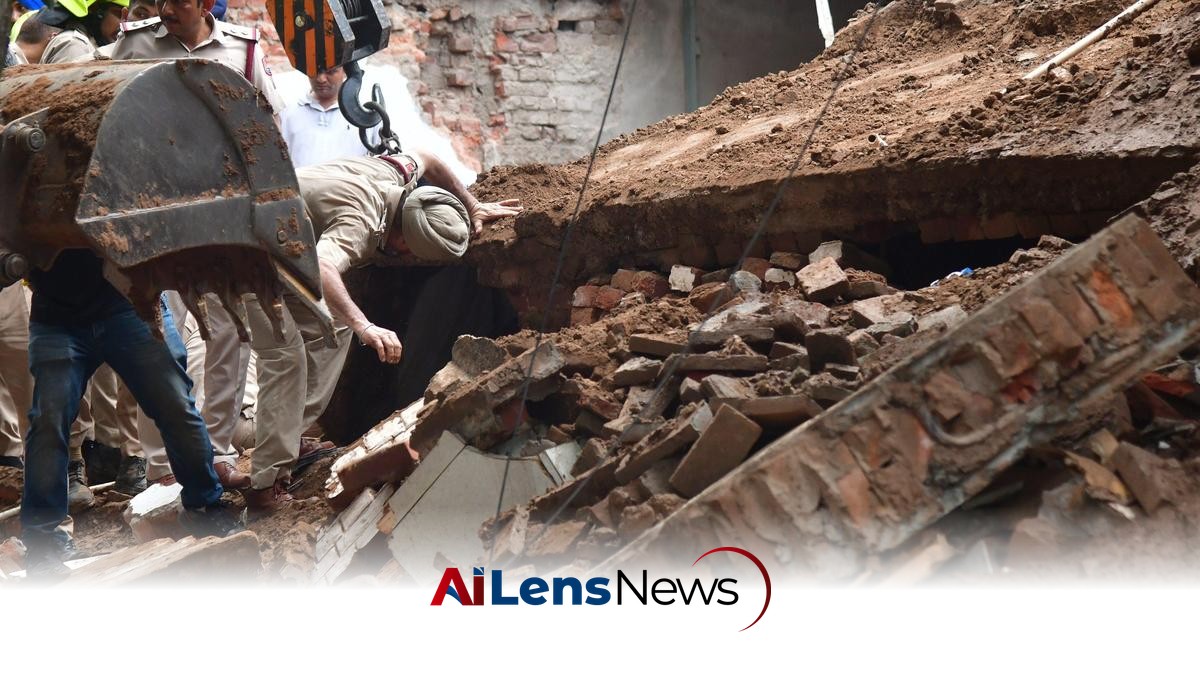


Two people died in a building collapse in Chandigarh's industrial area, prompting a major rescue operation by emergency services.
New Delhi, India Jul 5, 2026 ALN: Two people tragically lost their lives following the collapse of a two-storey building located in the Industrial Area Phase-2 of Chandigarh on July 4, 2026. The incident highlights ongoing concerns regarding building safety and the structural integrity of older constructions in urban areas. The collapse not only resulted in fatalities but also raised significant questions about the regulatory frameworks governing building safety and the adequacy of enforcement in a rapidly urbanizing environment.
The aftermath of the disaster saw emergency services responding promptly, with firefighters, police, and the Disaster Response Force (NDRF) arriving at the scene shortly after the collapse was reported. Their efforts were crucial in carrying out a rescue operation that extended over five hours. During this time, four individuals were initially pulled from the rubble and subsequently transported to the Government Medical College and Hospital (GMCH) in Sector 32 for medical attention. Later, two additional victims were rescued and taken to the same facility, illustrating the urgency and complexity of rescue operations in such dire circumstances.
Ravneet Kaur, the Director-Principal at GMCH-32, confirmed the unfortunate deaths, stating, "Two people have died in the building collapse incident." Meanwhile, Vishal Guglani, the Medical Superintendent of GMCH-32, provided an update on the condition of the survivors, indicating that three individuals were receiving treatment and their conditions were stable, which offered a glimmer of hope amidst the tragedy. This aspect of the response underscores the importance of having well-equipped medical facilities and trained personnel available to address emergencies promptly.
The circumstances surrounding the collapse are particularly concerning. According to reports, the building was undergoing renovations at the time of the incident. This raises questions regarding the safety measures in place during such work and whether proper protocols were followed to ensure the structural integrity of the building. It is essential to consider whether the renovation activities were conducted by qualified professionals and whether appropriate inspections were carried out prior to and during the work. Chandigarh Mayor Saurabh Joshi, who visited the scene to assess the situation, noted that the building was old, which could have contributed to its failure. The administration has announced that an investigation will be launched to determine the specific causes that led to the collapse, which is essential for preventing similar incidents in the future.
The response from emergency services was swift and organized. Teams from the NDRF were deployed to the site, with Deputy Commandant Deepak Singh providing updates to the media. He stated, "After receiving information that a building had collapsed, our nearest team from Panchkula reached the site without delay. All those trapped under the debris have been rescued. We are now conducting an extensive final search to ensure that no other victims remain trapped. We will share further updates once the operation is complete." This level of coordination among various emergency response teams is crucial in minimizing casualties in such disasters, highlighting the importance of preparedness and training in emergency management.
The use of heavy earth-moving machinery was necessary to clear the debris and ensure that the area was safe for rescuers to operate. Authorities also took precautionary measures by vacating adjacent buildings to protect residents from potential further collapses. This incident underscores the importance of having robust emergency response plans and the need for regular inspections of older buildings, especially those undergoing renovations. The implications of such incidents extend beyond immediate rescue and recovery efforts; they call for a comprehensive review of existing building codes and safety regulations.
Building collapses are not uncommon in urban settings, particularly in regions where infrastructure may not have kept pace with development. The collapse in Chandigarh is reminiscent of previous incidents in other parts of India, where aging structures have failed, often resulting in loss of life. For instance, in the previous year, a vacant building in Sector-17 of Chandigarh also collapsed, but fortunately, there were no casualties as the structure had been declared unsafe prior to its collapse. Such incidents serve as a stark reminder of the importance of regular maintenance and the monitoring of building conditions by local authorities. The occurrence of multiple collapses raises concerns about the effectiveness of current regulations and the enforcement of safety standards across the city.
In the wake of this tragedy, it is imperative for city planners and building regulators to revisit policies regarding building safety and renovation practices. There is a critical need for stringent enforcement of safety regulations that govern the construction and renovation of buildings, particularly in industrial areas where the risk of accidents may be higher due to the nature of activities conducted. The local government must engage with engineers, architects, and safety experts to develop comprehensive guidelines that address the unique challenges posed by older structures in urban environments.
Moreover, this incident may prompt a broader discussion about urban development and the challenges faced in maintaining older structures in rapidly growing cities. As cities expand, the pressure on existing infrastructure increases, necessitating a proactive approach to building safety and urban planning. The integration of modern safety technologies and materials in renovation projects could also be explored to enhance the resilience of older buildings against potential hazards.
As investigations unfold, it will be essential for city officials to communicate transparently with the public regarding the findings and any measures taken to prevent future tragedies. The community's trust in local governance hinges on the ability to ensure safety and accountability in the management of urban infrastructure. Public forums and community engagement initiatives could be valuable in fostering dialogue between residents and officials about their concerns and expectations regarding building safety.
In conclusion, the collapse of the building in Chandigarh serves as a tragic reminder of the vulnerabilities present in older urban structures and the urgent need for comprehensive safety measures. The loss of life is a sobering consequence that underscores the importance of vigilance in building maintenance and the continuous evaluation of safety protocols to protect residents and workers alike. The incident not only calls for immediate action but also highlights the necessity for a cultural shift towards prioritizing safety in construction and renovation practices, ensuring that such tragedies do not recur in the future.
To learn more about the latest developments in Local & Regional, stay updated with our exclusive reports and analyses on AiLensNews.

