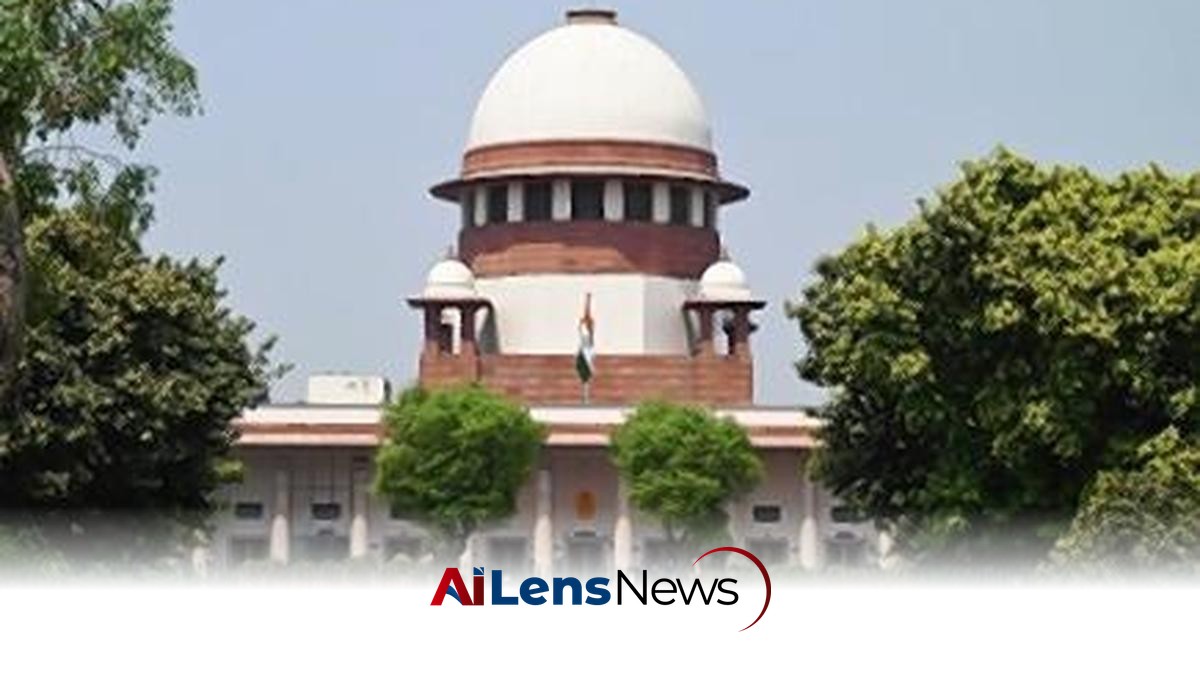


The Supreme Court has stayed the DERC's audit order for Delhi discoms, maintaining status quo until further hearings scheduled for July 15.
New Delhi, India Jul 4, 2026 ALN: The Supreme Court of India, on July 3, 2026, issued a stay on an order from the Appellate Tribunal for Electricity (APTEL) that had quashed a directive from the Delhi Electricity Regulatory Commission (DERC). This directive mandated the Comptroller and Auditor General (CAG) to conduct an intensive audit of the power distribution companies, commonly known as discoms, operating in the capital city of Delhi. The ruling from the Supreme Court effectively reinstates the DERC's original directive while the case is set to be heard again on July 15, 2026.
The backdrop to this legal tussle is a significant judgment handed down by the Supreme Court on August 6, 2025, which criticized the functioning of state electricity regulatory commissions. The court found that these bodies often acted under the influence of state governments, leading to a failure in regulatory oversight. The Supreme Court's judgment underscored the need for greater accountability and transparency in the operations of discoms, which are crucial for ensuring reliable electricity supply to consumers.
Electricity distribution in India has been historically fraught with challenges, including financial mismanagement, poor infrastructure, and regulatory inefficiencies. Discoms are responsible for delivering electricity from transmission lines to consumers, yet many have struggled with high levels of technical and commercial losses. These losses can arise from a variety of factors, including theft of electricity, billing inefficiencies, and inadequate metering. As a result, discoms often find it difficult to recover costs, leading to a cycle of debt and operational challenges.
In its earlier ruling, the Supreme Court had outlined a roadmap for the liquidation of existing regulatory assets, setting a deadline for completion by April 1, 2024. However, following a plea from the discoms, this deadline was extended by an additional seven years. In conjunction with this directive, the court mandated that regulatory commissions undertake strict and intensive audits to evaluate the operational efficiency of the discoms, particularly in terms of their ability to recover regulatory assets. This requirement for audits reflects a growing recognition of the need for enhanced scrutiny of discom operations, especially in light of the financial difficulties faced by many of these entities.
In response to the Supreme Court's directives, the DERC decided to engage the CAG to conduct the audit of the Delhi discoms, aiming for a thorough examination of their financial and operational health. However, the APTEL intervened, taking suo motu cognizance of the DERC's decision to appoint the CAG. The tribunal sought to determine whether the DERC's actions were legally sound and in accordance with the applicable laws governing audits.
On April 20, 2026, APTEL ruled that the DERC was not legally obligated to assign the audit exclusively to the CAG. Instead, the tribunal indicated that any chartered accountant could be appointed to conduct the audit, thereby allowing for more flexibility in the auditing process. This decision was rooted in the interpretation of the Supreme Court's earlier judgment, which did not specify that only the CAG could undertake the audit. The implications of this ruling are multifaceted, as it opens the door for a broader range of auditing practices, potentially impacting the quality and depth of financial scrutiny that discoms will face.
Furthermore, APTEL highlighted a critical legal point regarding the CAG's authority to conduct audits. According to Section 20(3) of the CAG (Duties, Powers and Conditions of Service) Act, 1971, a CAG audit is permissible only in cases that do not fall under the purview of Parliamentary law, and only if the President or Governor is satisfied that such an audit serves the public interest. The tribunal noted that there was no evidence to suggest that the Lt. Governor of Delhi had expressed such satisfaction in the communications exchanged among the CAG, the Delhi government, and the DERC. This aspect of the ruling raises important questions about the governance framework within which discoms operate, particularly concerning the balance of authority between various regulatory bodies.
In its ruling, APTEL emphasized that it could not simply observe as the DERC acted in a manner that contravened established legal frameworks. The tribunal's decision to quash the DERC's directive was rooted in a commitment to uphold the rule of law and ensure that regulatory processes are followed correctly. This commitment to legal adherence is essential in maintaining the integrity of the regulatory environment, particularly in sectors as critical as electricity distribution.
The Supreme Court's latest order to maintain the status quo effectively pauses the APTEL's ruling, allowing the DERC's original directive to stand for the time being. This development underscores the ongoing complexities surrounding the regulatory environment for electricity distribution in Delhi, which has faced scrutiny over issues of financial viability, operational efficiency, and consumer service quality. The interplay of legal decisions and regulatory actions will significantly shape the future landscape of electricity distribution in the capital.
The implications of this legal battle are significant for the future of electricity distribution in Delhi. Discoms in the region have been grappling with challenges such as high levels of technical and commercial losses, inadequate infrastructure, and difficulties in recovering dues from consumers. These issues not only affect the financial health of the discoms but also have a direct impact on the reliability of electricity supply to consumers. The legal proceedings thus become a crucial battleground for determining how these challenges will be addressed moving forward.
Moreover, the ongoing legal proceedings highlight the tension between regulatory oversight and the operational independence of discoms. The Supreme Court's intervention reflects a broader concern about the need for transparency and accountability in the energy sector, particularly in the context of public service delivery. As the case moves forward, it will be critical for the judiciary to balance the need for stringent oversight with the operational realities faced by discoms, ensuring that regulatory frameworks are both effective and practical. This balance is vital not only for the sustainability of discom operations but also for the broader goal of ensuring reliable electricity access for consumers.
As the Supreme Court prepares to hear the case again, stakeholders within the energy sector, including consumers, regulatory bodies, and discoms, will be closely watching the developments. The outcome of this legal battle could set important precedents for how audits are conducted in the future, influence regulatory practices, and shape the overall landscape of electricity distribution in Delhi and potentially across India. The ramifications of this case may extend beyond Delhi, as similar issues of regulatory oversight and financial management are prevalent in other states as well.
In conclusion, the Supreme Court's stay on the APTEL ruling represents a significant moment in the ongoing discourse surrounding electricity regulation in India. It raises pressing questions about the roles and responsibilities of regulatory bodies, the importance of rigorous financial oversight, and the need for a balanced approach to governance in the energy sector. As the case unfolds, it will undoubtedly contribute to shaping the future of energy distribution and regulatory practices in the country. The legal interpretations and decisions made in this case will likely reverberate through the regulatory landscape, influencing how electricity distribution is managed and audited in the years to come.
To learn more about the latest developments in Crime & Law, stay updated with our exclusive reports and analyses on AiLensNews.

