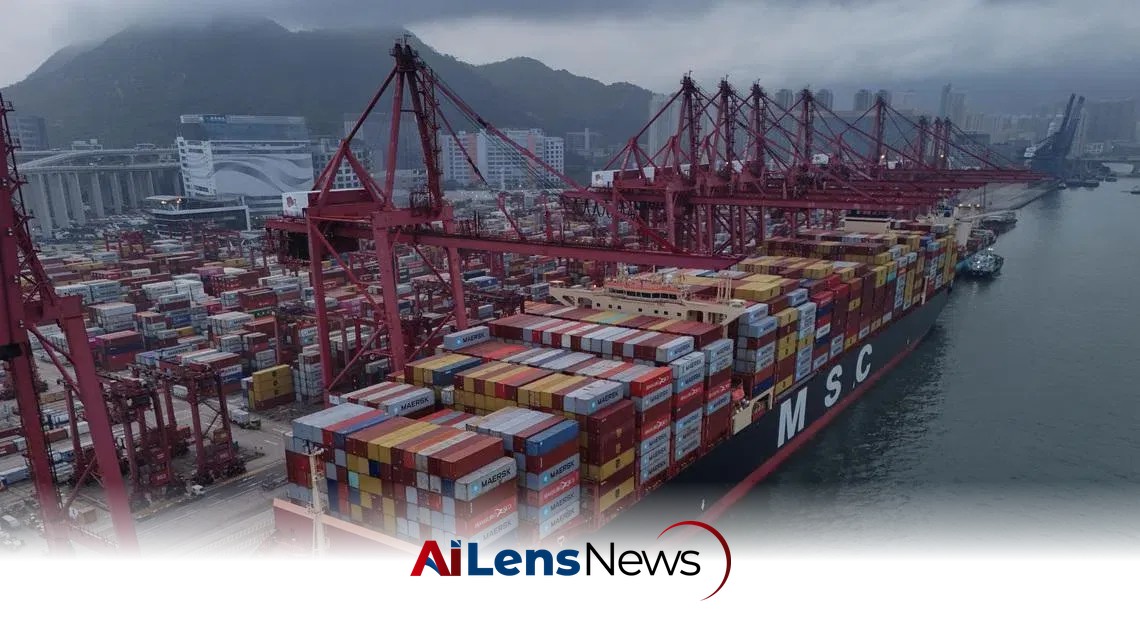


The United States is set to reinstate Hong Kong's special trading status, a significant shift in policy following recent trade discussions with China.
Singapore, Singapore Jul 17, 2026 ALN: BEIJING - The United States is set to restore Hong Kong’s special trading status, a designation that had been revoked in a 2020 executive order by then-President Donald Trump. This decision was made in response to Beijing’s imposition of a national security law in the financial hub, which many critics argue undermined the autonomy and freedoms that Hong Kong had enjoyed since its handover from British rule in 1997. The announcement was made by China's commerce ministry on July 17, indicating a significant shift in the US policy towards the region.
The initial executive order that revoked Hong Kong's special status was implemented on July 14, 2020, during Trump's first term. This order was a part of a broader strategy to confront China on various fronts, including trade, technology, and human rights. Since its enactment, the order had been extended each year, reflecting ongoing tensions between Washington and Beijing over issues such as human rights abuses, trade imbalances, and military posturing in the Asia-Pacific region. However, the recent communication from China's commerce ministry suggested that the Biden administration had confirmed it would not extend the order following the renewal date that passed earlier this week. The White House did not immediately respond to requests for comments regarding this significant policy change.
Hong Kong had historically benefited from a special economic and trade status with the United States, which was distinct from the broader US-China relationship. This preferential treatment was rooted in the understanding that Hong Kong would operate as a separate customs territory, maintaining a high degree of autonomy as promised under the "one country, two systems" framework established during the 1997 handover. This framework was designed to allow Hong Kong to retain its own legal and economic systems for 50 years after the transition, a promise that has faced increasing scrutiny and skepticism in recent years.
The reported decision to allow the executive order to lapse marks a significant policy reversal and comes in the wake of recent trade discussions between Washington and Beijing. These talks also led to some reductions in tariffs, indicating a potential thaw in the otherwise frosty relations between the two superpowers. The restoration of Hong Kong’s special status could reinstate its preferential treatment on export controls and other trade measures that had been aligned with those applied to mainland China since the revocation of its status in 2020. This change could have far-reaching implications for Hong Kong’s economy, which has been heavily reliant on trade with the United States.
The Chinese commerce ministry welcomed the decision to restore Hong Kong’s special trading status, viewing it as a step towards fulfilling the agreements reached during recent high-level talks between Beijing and Washington. Notably, these discussions included a meeting between President Trump and Chinese President Xi Jinping in Beijing in May, where both leaders discussed various issues affecting bilateral relations.
The ministry's statement emphasized that the US's adjustment of its Hong Kong policy in a more positive direction aligns with the expectations of the international community. It urged the United States to respect China’s sovereignty and the rule of law in Hong Kong, and to restore and strengthen normal trade and economic exchanges with the city. This call for improved relations reflects a broader desire from Beijing to stabilize ties with Washington, which have been strained over a multitude of issues, including trade disputes, military tensions in the South China Sea, and differing approaches to global governance.
Critics of the national security law argue that it has effectively crushed the wide-ranging freedoms that were promised to the people of Hong Kong at the time of the handover. They assert that the law has been used to suppress dissent, stifle free speech, and curtail the rights of citizens, leading to a chilling effect on civil society and political activism. In contrast, supporters of the law contend that it has brought much-needed stability to Hong Kong following a year of intense anti-government protests in 2019, which were marked by widespread unrest and violence. This dichotomy of perspectives highlights the deep divisions within Hong Kong society and the challenges facing its governance.
The United States began the process of eliminating Hong Kong’s special status in June 2020, shortly before the national security law was enacted. This included halting defense exports to Hong Kong and imposing restrictions on the territory’s access to high-technology products. These measures were part of a broader strategy to signal US disapproval of China's actions in Hong Kong and to support the pro-democracy movement that had gained momentum in the city.
The Hong Kong government, which is selected by a pro-Beijing committee, also welcomed the recent announcement regarding the restoration of its special trading status. This endorsement from local authorities indicates a desire to re-establish economic ties with the United States, which is crucial for Hong Kong's economy, especially in sectors such as finance, trade, and technology. The potential restoration of Hong Kong’s special status may provide a much-needed boost to its economy, which has faced significant challenges in recent years, including the impacts of the COVID-19 pandemic and ongoing geopolitical tensions.
Overall, the decision to restore Hong Kong's special trade status reflects a complex interplay of geopolitical considerations, economic interests, and domestic pressures within both the United States and China. As the two nations navigate their relationship in an increasingly multipolar world, developments in Hong Kong will continue to be a critical focal point in their interactions. The implications of this policy reversal may extend beyond trade, influencing broader discussions surrounding human rights, governance, and international relations in the Asia-Pacific region.
To learn more about the latest developments in World News & International Affairs, stay updated with our exclusive reports and analyses on AiLensNews.

