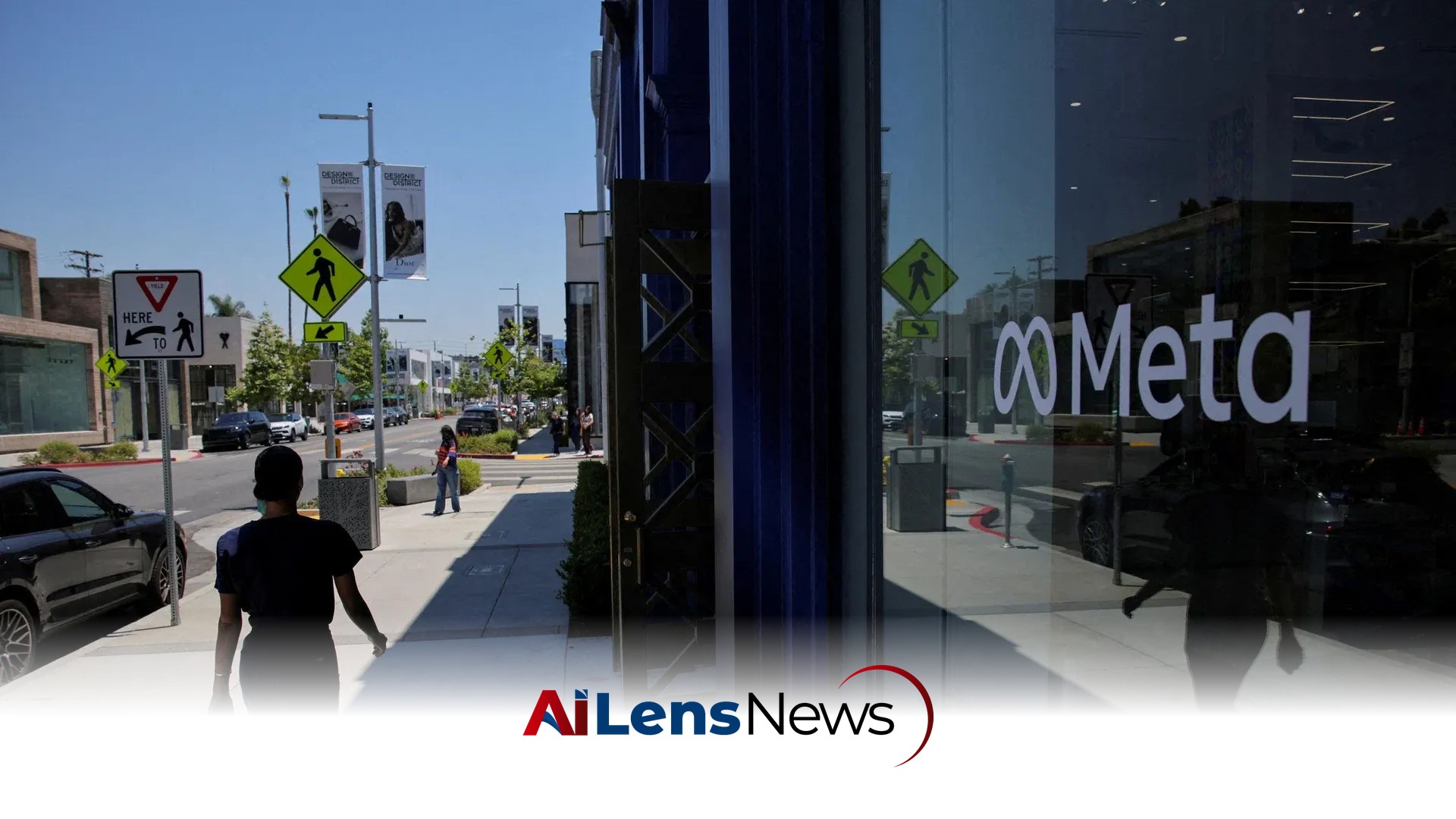


A US judge has ruled that Meta can continue layoffs affecting employees who filed a lawsuit claiming discrimination due to AI tools, despite their objections.
Singapore, Singapore Jul 18, 2026 ALN: A US judge on Friday, July 17, rejected a bid by 26 employees of Meta Platforms to block the tech giant from proceeding with layoffs while they pursue claims that they were targeted for job cuts by the company’s AI-powered tools due to their disabilities or medical leave. This case has drawn significant attention as it raises critical questions about the intersection of artificial intelligence, employment law, and workplace discrimination.
US District Judge William Orrick, based in Oakland, California, issued a written order stating that he would not prevent Meta from carrying out the layoffs scheduled to begin on July 22. The judge's decision came as the merits of the workers’ legal claims are set to be decided in private arbitration, a common process for resolving employment disputes in the United States. The ruling highlights the complexities surrounding the use of AI in employment decisions and the legal protections available to workers in the face of technological advancements.
In his ruling, Judge Orrick indicated that the workers had failed to demonstrate that losing their jobs constituted the "irreparable harm" necessary for him to issue an emergency order to block the layoffs. A spokesperson for Meta has declined to comment on the ongoing legal proceedings, which underscores the company's position of denying any wrongdoing in its layoff decisions.
The plaintiffs’ legal team, however, expressed disappointment but noted that the judge acknowledged the seriousness of the questions raised by the lawsuit regarding Meta's conduct. They highlighted that the court explicitly mentioned the possibility of reconsidering its decision based on any additional evidence related to the use of AI in the layoffs.
Meta's decision to lay off nearly 8,000 employees, which represents about 10 percent of its global workforce, was part of a broader strategy to double down on investments in artificial intelligence technology. This move reflects a trend in the tech industry where companies are increasingly relying on AI to optimize operations, often leading to significant workforce reductions. The implications of such reliance on AI tools are profound, particularly concerning how they may inadvertently discriminate against certain groups of employees.
The lawsuit, filed on July 17, claims that Meta utilized AI tools to determine which jobs to cut. The plaintiffs argue that these tools assessed productivity and AI token usage, which inherently disadvantaged employees who had missed work due to medical conditions or caregiving responsibilities. Furthermore, the plaintiffs contend that performance reviews, which were partially based on employees’ engagement with AI technologies, played a role in the selection process for layoffs.
This case is notable as it appears to be the first of its kind against a major US company, challenging the alleged discriminatory use of AI in layoffs. The outcome could have far-reaching implications for how companies implement AI in their employment practices and the legal frameworks that govern workplace discrimination.
The plaintiffs sought a temporary restraining order to prevent Meta from completing the layoffs while their claims are pursued in arbitration. Additionally, they have filed for a preliminary injunction, which would serve as a longer-lasting temporary order. Judge Orrick indicated during the proceedings that he might reconsider his position as more evidence about the layoffs becomes available.
During a hearing, lawyers representing the plaintiffs emphasized the significant stakes involved, noting that the workers faced not only the loss of their jobs and salaries but also the potential forfeiture of valuable stock options and health insurance. This loss could jeopardize their medical care, particularly for those undergoing treatments related to pregnancies or other health conditions. One of the plaintiffs' attorneys, Barbara Cowan, poignantly remarked that there is no opportunity for a "do-over" when it comes to bonding with a newborn or receiving necessary medical treatment.
In response, Erin Connell, representing Meta, argued that while the workers would lose employer-subsidized insurance, they would not lose their health coverage entirely. Connell pointed out that damages related to lost benefits could be recouped later if the plaintiffs were to prevail in arbitration. This exchange highlights the often contentious nature of disputes involving employment law and the varying interpretations of what constitutes harm in the workplace.
The plaintiffs contend that Meta's arbitration agreements require employees to resolve workplace disputes individually, but they argue that these agreements do not apply to requests for temporary relief, such as blocking layoffs. Most employees at large companies, including Meta, typically sign arbitration agreements, which mandate that workplace claims be pursued individually rather than through class actions in court. Proponents of arbitration assert that it offers a quicker and more cost-effective alternative to litigation, while critics argue that it often favors employers and discourages workers from pursuing legitimate claims.
While exceptions in arbitration agreements for temporary relief are common, they are typically invoked in cases involving the alleged theft of trade secrets or solicitation of clients, rather than in situations involving layoffs of at-will employees. This distinction is crucial in the current case, as it raises questions about the adequacy of existing legal protections for workers in an evolving technological landscape.
The plaintiffs, who filed their lawsuit anonymously, include a diverse group of employees such as engineers, managers, researchers, and designers. They were notified of their impending layoffs in May, with the finalization of these layoffs set for July 22 for many and later in July or August for others, as indicated in court filings. Although laid-off workers remain on the payroll, they lost access to Meta's internal systems on May 20 and have not performed work for the company since that date.
According to the lawsuit, Meta employed various internal AI-assisted systems to evaluate and rank employees for potential termination. These systems reportedly included a large language model assistant known as "Metamate," which served as an employee-trained "second brain" that tracked communications and documents. Additionally, a productivity score derived from analyzing keystrokes, screen content, emails, and browser history was utilized as part of the layoff decision-making process. The plaintiffs argue that these AI systems did not pause during employees’ vacations or legally protected leave periods, resulting in decreased AI adoption scores that were factored into layoff selections.
This case not only highlights the potential pitfalls of integrating AI into employment practices but also raises broader questions about the ethical implications of using technology to make decisions that significantly affect workers' lives. As AI continues to evolve and become more prevalent in various sectors, the need for clear legal standards and protections for employees is becoming increasingly urgent. The outcome of this lawsuit could set a precedent for how AI is employed in employment decisions and the extent to which companies can be held accountable for potential biases embedded within these systems.
To learn more about the latest developments in Crime & Law, stay updated with our exclusive reports and analyses on AiLensNews.

