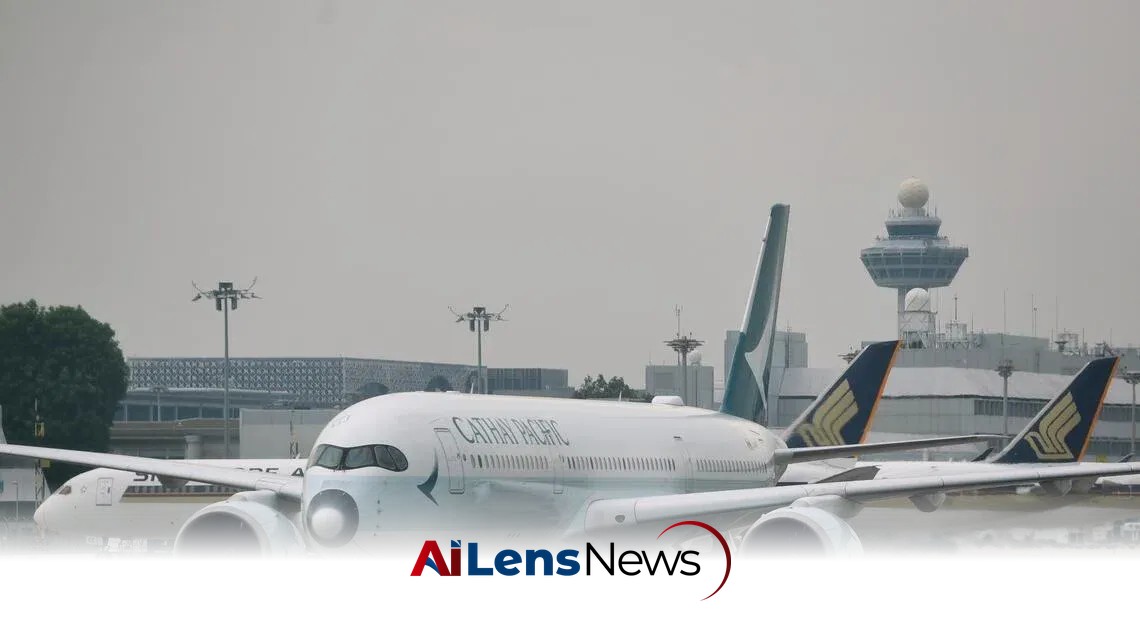


Typhoon Noul has led to the cancellation of more than 20 flights between Singapore and southern China, affecting travel plans amid severe weather conditions.
Singapore, Singapore Jul 26, 2026 ALN: More than 20 flights between Singapore and southern China, including Hong Kong and several cities in Guangdong province, were cancelled this weekend as Typhoon Noul lashed across the region. This disruption highlights the significant impact of natural disasters on air travel, particularly in areas prone to typhoons and severe weather conditions. Typhoon Noul, which formed in early July, is characterized by its strong winds and heavy rainfall, typical of tropical storms that frequently affect this region during the summer months.
On July 26, thirteen flights operated by Cathay Pacific and Singapore Airlines were cancelled, according to Changi Airport’s flight information page. The affected flights include:
On July 25, Cathay Pacific announced that flights scheduled to arrive at and depart from Hong Kong International Airport between 1:15 AM and 6 PM on July 26 were cancelled. This advance notice allowed travelers to adjust their plans accordingly, although many were still left scrambling for alternative arrangements. The proactive approach taken by the airline is indicative of the industry's focus on passenger safety and operational efficiency during adverse weather conditions.
Additionally, a total of eight flights between Shenzhen and Singapore, operated by Shenzhen Airlines, China Southern Airlines, and Singapore Airlines, were also cancelled on July 26. The affected flights are:
Earlier, Singapore Airlines had also cancelled flight SQ856, which was scheduled to depart from Singapore for Shenzhen on July 25. This cancellation was part of a broader response to the impending storm, indicating the airline's commitment to passenger safety amidst adverse weather conditions. Such cancellations are a standard procedure in the airline industry, aimed at minimizing risk to passengers and crew during severe weather events.
Two other flights on July 25 between Changi Airport and Shenzhen, operated by China Southern Airlines and Shenzhen Airlines, were cancelled, with a third delayed. These cancellations reflect the airline industry's ongoing challenges in managing flight schedules during severe weather events, which can be unpredictable and rapidly evolving.
In response to queries, SIA subsidiary Scoot confirmed that it had cancelled flights TR128 (Singapore to Shantou) and TR129 (Shantou to Singapore) on July 25. The swift action taken by airlines to cancel flights is a common practice during typhoons and other severe weather events, aimed at minimizing risk to passengers and crew. This is particularly important in the context of Typhoon Noul, which was forecasted to bring significant turbulence and dangerous conditions.
Flights between Singapore and Guangzhou, the capital of Guangdong province, were not affected by the typhoon, suggesting that the impact of Typhoon Noul was more severe in other areas, particularly closer to the storm's path. This selective impact underscores the variability of weather patterns and the necessity for travelers to stay informed about the specific conditions affecting their routes.
Typhoon Noul is the third typhoon to hit China in July, forcing over 340,000 people in Guangdong province to relocate, local authorities reported on July 25. This statistic underscores the scale of the typhoon's impact, as large-scale evacuations are often necessary to ensure public safety during extreme weather events. The relocation efforts are critical in providing shelter and resources to those affected by the storm, as well as mitigating potential casualties and damage to property.
The Hong Kong authorities raised the storm alert to Typhoon Signal No. 9 – the second-highest warning level – early on July 26, as the storm passed within 80km of the city. This level of alert indicates significant wind conditions and potential hazards, prompting residents to prepare for severe weather. It was later downgraded to Signal No. 8 at 7:10 AM, indicating a change in the storm's intensity and trajectory. Such alerts are vital for public safety, as they inform residents of the necessary precautions to take, including staying indoors and securing property.
Hong Kong airport authorities stated that flight operations would gradually resume after 6 PM on July 26. This phased return to normal operations is essential for managing the backlog of flights and ensuring that safety protocols are followed as conditions improve. The process of resuming flight operations involves careful assessments of runway conditions, air traffic control measures, and the readiness of airline staff and equipment.
The impact of Typhoon Noul extends beyond just flight cancellations. It serves as a reminder of the vulnerabilities faced by regions prone to tropical storms and typhoons, especially during the summer months when such weather patterns are more frequent. The economic implications of these disruptions can be significant, affecting not only airlines but also hotels, restaurants, and other businesses reliant on tourism and travel. The ripple effect of cancellations can lead to lost revenue, increased operational costs, and a decline in customer satisfaction, which can have long-term repercussions for the travel industry.
Travelers affected by the cancellations often face challenges in rebooking flights, finding accommodations, and navigating the aftermath of such weather events. Airlines typically offer assistance in rebooking and may provide accommodations for stranded passengers, but the logistics can be complex, especially during peak travel periods. The experience of dealing with cancellations and delays can be stressful, prompting many travelers to seek support from airline representatives and travel agencies to resolve their issues.
In conclusion, Typhoon Noul has caused considerable disruption to air travel between Singapore and southern China, with numerous flights cancelled as authorities prioritize safety in the face of severe weather. As the region continues to grapple with the effects of climate-related phenomena, the resilience of both the travel industry and the communities affected will be tested in the coming days and weeks. Monitoring weather updates and remaining flexible with travel plans are essential for those traveling in and out of the affected areas during this tumultuous season. The ongoing challenges posed by climate change and extreme weather events necessitate a collective response from governments, airlines, and communities to enhance preparedness and resilience against future storms.
To learn more about the latest developments in Transport & Mobility, stay updated with our exclusive reports and analyses on AiLensNews.

