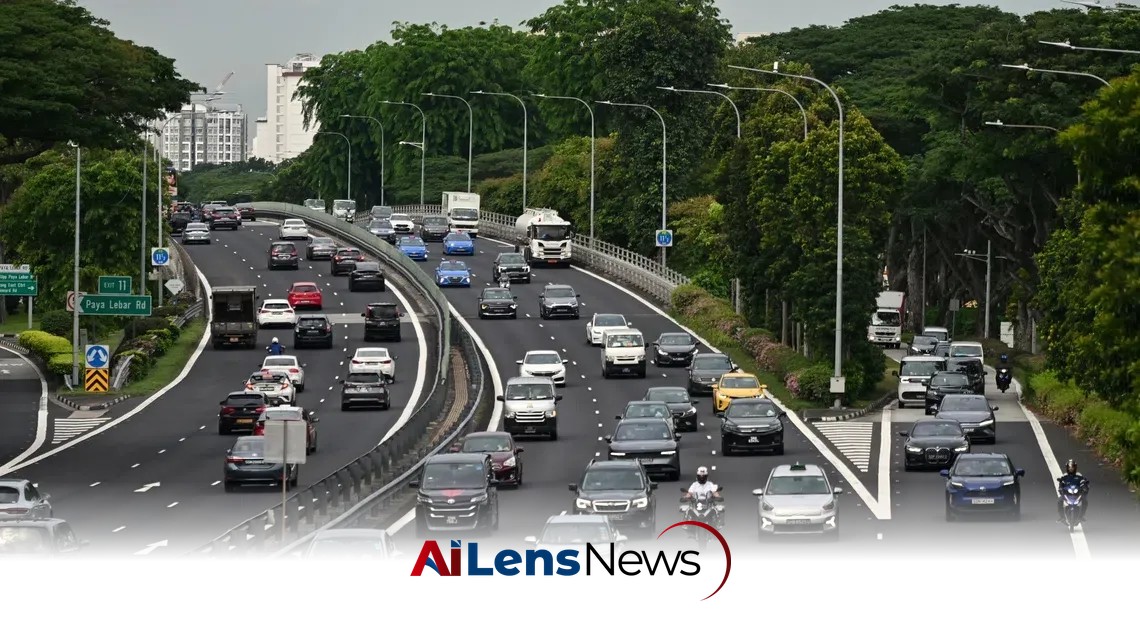


From January 1, 2027, Singapore will reduce the demerit points threshold for motorists and extend suspension periods to enhance road safety.
Singapore, Singapore Jul 31, 2026 ALN: From January 1, 2027, the maximum number of demerit points a motorist can accumulate within a 24-month period before facing suspension will be reduced from 24 to 18. This change is part of a broader initiative aimed at enhancing road safety across Singapore. In addition, for probationary motorists, who are required to complete a one-year probation period, the current threshold for demerit points will be lowered from 13 to 12 within that same 12-month timeframe.
The primary objective behind this modification is to empower the Traffic Police (TP) to more effectively suspend irresponsible motorists and thereby keep them off the roads for longer durations. Under the new regulations, a non-probationary motorist who runs a red light (which incurs 12 points) while also speeding (which incurs six points) will face immediate suspension, as they would have reached the maximum allowable 18 points.
Similarly, for probationary motorists, running a red light or using a mobile phone while driving—both of which carry a penalty of 12 points—will also lead to immediate revocation of their driving license. This initiative is particularly aimed at instilling responsible driving behaviors in new motorists at an early stage, thereby promoting a culture of safety on the roads.
On July 31, the police announced the tightening of the Driver Improvement Points System (DIPS), commonly referred to as the demerit points system. This decision was deemed necessary in light of a concerning trend in road safety, with road fatalities reaching a 10-year high of 149 deaths in 2025, in contrast to 141 fatalities recorded in 2016. Furthermore, the number of individuals injured in road incidents rose from 9,342 in 2024 to 9,955 in 2025, highlighting an urgent need for reform.
Starting in 2027, the suspension periods for offending drivers will also see significant increases. For first-time suspensions, the duration will extend from 12 weeks to four months. Those who face a second suspension will find themselves unable to drive for six months, an increase from the previous 24 weeks. The consequences of repeated offenses will escalate further, with a third suspension resulting in a two-year driving ban, and subsequent suspensions lasting five years each.
In addition to these changes, the police have announced revisions to the DIPS retraining course. This course is currently available to suspended motorists, allowing them to reduce their suspension periods upon completion. At present, individuals facing their first suspension can reduce their suspension period from 12 weeks to four weeks, or even to a week if they have not been involved in any accidents. However, beginning in 2027, this retraining course will only be accessible to those experiencing their first suspension. If they successfully complete the course, their suspension period will be reduced from four months to six weeks.
Notably, motorists who are suspended for a period of at least one year will lose their driving license entirely and will be required to retake their driving tests before being eligible to drive again. The Safe Driving Course, which previously allowed eligible motorists to expunge four demerit points if they were not suspended, will be discontinued starting in 2027 due to its low participation rate, which stood at only 15% as of 2025.
To ease the transition to this revised system, a one-time deduction of demerit points will be implemented. For violations committed before the new regime takes effect in 2027, non-probationary motorists will have up to six demerit points waived, while probationary motorists will see one point waived. For instance, if a non-probationary motorist has four demerit points on December 31, they will have zero demerit points as of January 1, 2027, thanks to this adjustment. However, the remaining two points can only be deducted from another traffic offense if it was committed before the new regulations come into effect.
It is important to note that this one-time adjustment will not apply to violations committed in 2027, and any unused deductions cannot be saved for future violations. Additionally, fines associated with traffic violations will remain unchanged and continue to be payable as per the existing regulations.
Second Minister for Home Affairs Sim Ann addressed the concerns raised by vocational drivers and transport union leaders regarding the potential implications of the new regime on their livelihoods. In her statements, she emphasized the importance of motorists resetting their driving habits and mindset in preparation for the upcoming changes in 2027. She urged all road users to adhere strictly to traffic rules to ensure the safety of everyone on the roads.
The introduction of stricter demerit points and suspension regulations is part of Singapore's ongoing commitment to improving road safety. The government has consistently sought to address the rising number of road incidents through various measures, including public education campaigns, enforcement of traffic regulations, and now, a tightening of the demerit points system. As urban centers continue to grow and the number of vehicles on the road increases, the need for effective measures to promote safe driving practices becomes even more critical.
Moreover, the implications of these changes extend beyond just the immediate safety of road users. By fostering a culture of responsible driving, the government aims to reduce the overall economic costs associated with road accidents, which include medical expenses, property damage, and lost productivity due to injuries. The long-term vision is to create a safer, more efficient road network that benefits all citizens and enhances the overall quality of life in Singapore.
As the implementation date approaches, it will be crucial for the Traffic Police and relevant authorities to engage in public outreach efforts to ensure that all motorists are aware of the new regulations and understand the importance of compliance. Education campaigns can play a pivotal role in shaping public perceptions and attitudes towards road safety, ultimately contributing to a decrease in traffic violations and accidents.
In conclusion, the upcoming changes to Singapore's demerit points system represent a significant shift in the approach to road safety and traffic management. By tightening regulations and promoting responsible driving behaviors, the government aims to create a safer environment for all road users, thereby addressing the pressing issue of road safety in the nation.
To learn more about the latest developments in Crime & Law, stay updated with our exclusive reports and analyses on AiLensNews.

