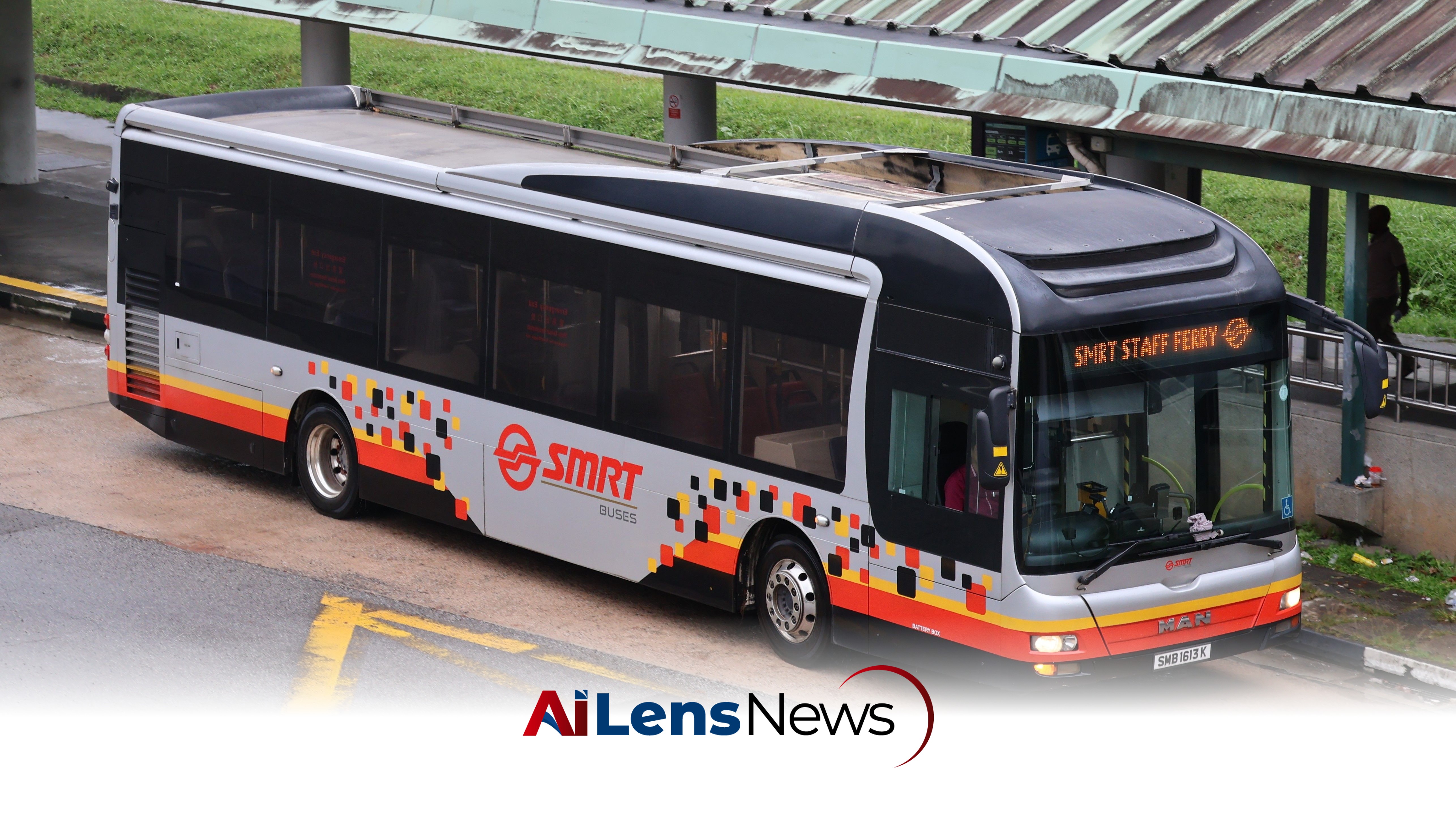


The Land Transport Authority has awarded a five-year bus contract worth $599.5 million to SMRT Buses, set to begin operations in June 2027.
Singapore, Singapore Jul 19, 2026 ALN: The Land Transport Authority (LTA) has awarded the Serangoon-Eunos bus package to SMRT Buses under a contract worth an estimated S$599.5 million, with operations set to commence in June 2027.
The contract will run for five years from June 13, 2027. LTA also retains the option to extend the agreement between two and five years after the initial term. This flexibility in contract duration allows the LTA to adjust to changing transportation needs and operational efficiencies that may arise over time. This strategic decision reflects a broader trend in public transport procurement, where authorities increasingly seek to balance long-term commitments with the ability to adapt to evolving urban mobility requirements.
Under the new contract, SMRT will operate the bus services from the upcoming Kim Chuan Bus Depot. This depot is part of a significant investment in public transport infrastructure that aims to enhance service delivery and operational efficiency. The establishment of new depots is crucial as it allows for better management of bus fleets, more efficient scheduling, and improved maintenance capabilities. The contract will also see SMRT taking over the management of key interchanges, including Eunos Bus Interchange, Serangoon Bus Interchange, Woodleigh Bus Interchange, and Sims Place Bus Terminal, which are vital nodes in the bus network, facilitating the movement of passengers across various routes. This shift in management is expected to streamline operations and enhance connectivity for commuters.
The Serangoon-Eunos bus package is currently operated by SBS Transit, with services running from Hougang Bus Depot. The package comprises 26 bus routes that serve a diverse range of neighborhoods and communities, ensuring accessibility for residents. The transition of this package to SMRT represents a strategic shift in the management of bus services in this area, which may lead to changes in service delivery and operational practices. Such changes often aim to improve punctuality, frequency, and overall customer satisfaction, which are critical factors in public transport usage.
According to LTA, SMRT emerged as the top-ranked bidder after receiving the highest overall score in the evaluation process. The authority stated that the company’s proposal would deliver cost savings compared with the existing contract, while also outlining plans for electric bus operations and maintenance as well as initiatives to develop its workforce. This emphasis on electric bus operations is part of Singapore's broader commitment to sustainability and reducing carbon emissions in public transport. The move towards electric buses is particularly significant given the global push for greener transport solutions, and it aligns with Singapore's goals of becoming a smart and sustainable city.
Electric buses are seen as a crucial component of the future of public transport in Singapore, as they offer the potential for lower operational costs and reduced environmental impact. The LTA has been actively promoting the adoption of electric vehicles within its public transport fleet, aligning with national goals to combat climate change and promote greener urban mobility solutions. The integration of electric buses into the fleet not only contributes to reducing greenhouse gas emissions but also enhances the quality of air in urban environments, thereby benefiting public health.
LTA said employees currently working under the SBS Transit-operated package will be protected under industry employment guidelines during the transition. This protection is essential in ensuring job security for workers amid changes in service providers, reflecting the government's commitment to safeguarding the welfare of public transport employees. The transition period is often a sensitive time for workers, and such measures are crucial in maintaining morale and stability within the workforce.
As part of the handover, SMRT will be required to offer affected employees employment terms that are no less favorable than their existing conditions. Workers who are impacted by the change will have the option of joining SMRT, while those who do not make the switch may be redeployed by SBS Transit where possible. This approach not only provides workers with options but also helps to maintain workforce stability within the public transport sector. Ensuring that employees feel secure during such transitions is vital for the overall health of the public transport system, as a satisfied workforce is more likely to provide better service to passengers.
The tender for the bus package was called on December 19, 2025. LTA said it adopted a two-envelope evaluation process, under which quality submissions were assessed first before the corresponding price bids were opened. This method aims to ensure that the selection of the service provider is based on both the quality of service proposed and the financial implications, thereby promoting a balanced approach to public transport procurement. The two-envelope system is designed to prioritize service quality, ensuring that the winning bid not only meets budgetary constraints but also adheres to high standards of service delivery.
The awarding of this contract to SMRT is significant in the context of Singapore's ongoing efforts to enhance its public transport system. The transition of bus services from SBS Transit to SMRT may lead to improvements in service reliability and customer satisfaction, as SMRT implements its operational strategies and innovations. The competitive nature of the bidding process encourages service providers to continually improve their offerings, which ultimately benefits commuters.
Furthermore, this contract aligns with Singapore's long-term vision for a comprehensive and integrated public transport system, which is crucial for managing urban mobility in a densely populated city-state. By investing in new depots and upgrading existing infrastructure, the LTA is taking proactive steps to meet the growing demands of public transport users. The development of public transport infrastructure is not only about expanding capacity but also about enhancing the overall user experience, which includes factors such as accessibility, comfort, and convenience.
As the transition approaches, stakeholders including commuters, transport workers, and local communities will be keenly observing how SMRT manages the handover process and implements its plans for the bus routes. Effective communication and engagement with the public will be essential to ensure a smooth transition and to address any concerns that may arise. Public consultations and information campaigns can play a critical role in informing commuters about service changes, new routes, and any potential disruptions during the transition period.
In conclusion, the awarding of the Serangoon-Eunos bus package to SMRT Buses marks a pivotal moment in Singapore's public transport landscape. It underscores the government's commitment to enhancing service delivery, promoting sustainability through electric bus operations, and protecting the rights and welfare of transport workers. The implications of this contract will be felt across the community as SMRT prepares to take on this significant responsibility in the coming years. As Singapore continues to evolve and adapt its public transport system, the successful implementation of this contract will be a key indicator of the effectiveness of its strategies in meeting the challenges of urban mobility in the 21st century.
To learn more about the latest developments in Local & Regional, stay updated with our exclusive reports and analyses on AiLensNews.

