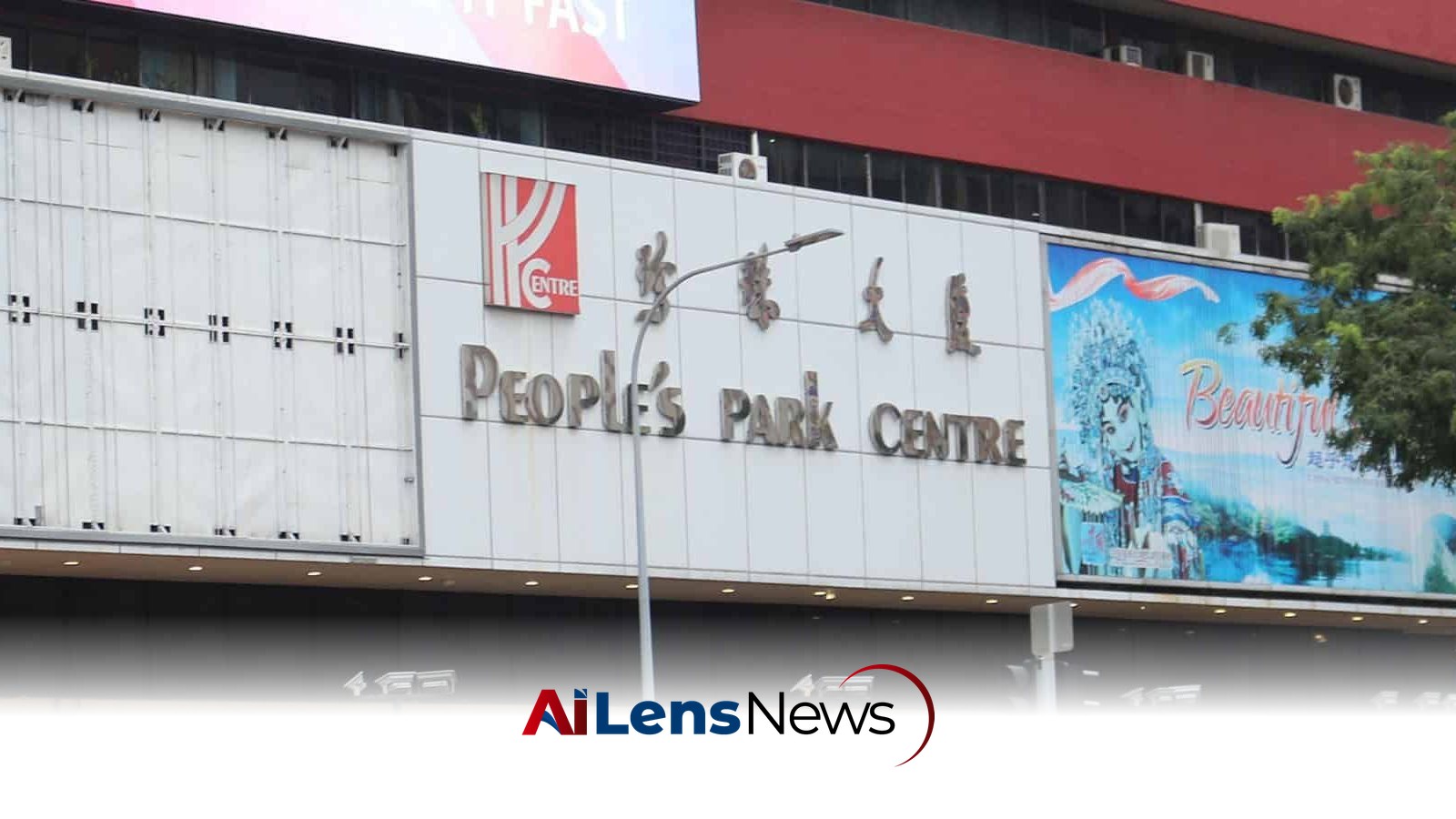


People's Park Centre in Singapore has lowered its asking price to S$1.48 billion for a collective sale, marking a significant reduction after two previous unsuccessful attempts.
Singapore, Singapore Jul 18, 2026 ALN: People’s Park Centre in Chinatown is making another bid for a collective sale, with owners lowering the guide price to S$1.48 billion in an effort to attract buyers after two previous attempts failed.
Real estate agency ERA Realty Network announced on Tuesday (July 15) that this is the third collective sale exercise for the landmark mixed-use development. The latest guide price represents a 17.78% reduction from the S$1.8 billion reserve price sought during its previous sale attempt.
The property was first put up for collective sale in 2019 with a reserve price of S$1.35 billion. However, the exercise did not proceed after failing to obtain the required level of consent from owners. A second attempt followed in 2022, when the reserve price was raised to S$1.8 billion, but no bids were received.
Completed in 1976, People’s Park Centre consists of two towers of 13 and 30 storeys, respectively. The development comprises 324 retail units, 256 office units, 120 residential units, and a multi-storey car park. The mixed-use nature of the property has historically made it a focal point in the Chinatown district, catering to both local residents and tourists alike.
The site occupies about 95,467 sq ft and features approximately 124 metres of frontage along Eu Tong Sen Street. Its strategic location at 101 Upper Cross Street places it next to the Chinatown MRT station, which provides direct access to both the North East Line and the Downtown Line. This connectivity is a significant advantage, as it enhances accessibility for potential buyers and tenants, making the property attractive for redevelopment.
Chinatown is a vibrant area known for its rich cultural heritage and bustling commercial activities. The area is home to numerous attractions such as the Chinatown Heritage Centre and the Buddha Tooth Relic Temple, as well as nearby shopping destinations including Chinatown Point and Riverside Point. The presence of these attractions not only draws tourists but also supports a steady flow of local visitors, contributing to the overall economic activity in the region.
The latest sale comes as the surrounding district is set to undergo further transformation. In March this year, Minister for National Development Chee Hong Tat announced plans for a 60-storey Build-To-Order (BTO) development in the nearby Pearl Hill area. This project, which will become Singapore’s tallest public housing development, marks the first BTO project in the area in more than four decades. Such developments are indicative of Singapore's ongoing efforts to address housing needs while also enhancing urban density and livability.
The Urban Redevelopment Authority (URA) has stated that the new development is expected to inject greater vibrancy into the neighbourhood while supporting future commercial activity as the precinct continues to evolve. This aligns with Singapore's broader urban planning goals, which aim to create integrated and sustainable urban environments that cater to the needs of a growing population.
Under the URA’s 2025 Master Plan, the People’s Park Centre site is zoned for commercial use. ERA has indicated that the guide price translates to an estimated land rate of around S$2,455 per sq ft per plot ratio, assuming the lease is topped up to a fresh 99-year term. This pricing strategy is designed to make the property more appealing to potential developers, especially in a market that has seen fluctuating demand and varying levels of investor confidence.
Describing the site as one of the largest redevelopment opportunities in Singapore’s downtown area, ERA emphasized that the property presents developers with a rare chance to redevelop one of Chinatown’s most recognisable landmarks and contribute to the district’s next phase of growth. The uniqueness of the site, combined with its historical significance, makes it a potential candidate for innovative redevelopment projects that could reshape the urban landscape.
Developers looking at the collective sale may also consider the potential for mixed-use developments that could incorporate residential, commercial, and leisure components, reflecting modern urban living trends. As the demand for integrated living spaces continues to rise, the redevelopment of People’s Park Centre could play a pivotal role in meeting these demands while preserving the cultural essence of Chinatown.
The public tender for the collective sale will open on Thursday and is scheduled to close at 3 pm on Sep 16. This timeline allows interested parties to assess the potential of the site and prepare their bids accordingly. The outcome of this sale will be closely watched by industry analysts and stakeholders, as it may signal broader trends in Singapore's real estate market, particularly in the context of collective sales and urban redevelopment initiatives.
In conclusion, the ongoing attempts to sell People’s Park Centre reflect both the challenges and opportunities present in Singapore's real estate market. As urban areas continue to evolve, the importance of strategic redevelopment cannot be overstated. The outcome of this sale will likely have implications not only for the immediate stakeholders involved but also for the future development trajectory of the Chinatown district and Singapore as a whole.
To understand the significance of this sale, it is essential to consider the broader context of Singapore's real estate landscape. The market has been characterized by a mix of high demand and regulatory challenges, with government policies often influencing property prices and investment decisions. The collective sale process, which allows multiple owners to sell their properties together, has been a popular route for many aging developments, especially in prime areas where land redevelopment is viable.
In recent years, the collective sale market in Singapore has seen a resurgence, driven by a combination of factors including rising land prices, a growing population, and a push for more integrated urban living solutions. However, the market is also sensitive to economic fluctuations and changes in buyer sentiment, which can impact the success of such sales. The case of People’s Park Centre illustrates this dynamic, as the previous attempts to sell the property highlight the challenges that can arise when owners seek to capitalize on market conditions.
The reduction in the asking price for People’s Park Centre may reflect a strategic decision by the owners to align with current market realities, making the property more competitive in a landscape where buyers are increasingly discerning. Additionally, the mixed-use nature of the development offers a unique proposition, as it can cater to diverse needs ranging from retail to residential living, making it an attractive target for developers looking to create vibrant, multi-faceted spaces.
As the public tender approaches, potential bidders will likely conduct thorough due diligence, assessing not only the financial aspects of the purchase but also the potential for redevelopment in line with urban planning initiatives. The URA’s 2025 Master Plan serves as a guiding framework for developers, outlining the vision for sustainable urban growth and the integration of various land uses. This plan will undoubtedly influence how bidders approach the redevelopment of People’s Park Centre, as they seek to align their proposals with the long-term goals of urban development in Singapore.
Moreover, the outcome of this collective sale could serve as a bellwether for future collective sale attempts in Singapore. If successful, it may encourage other property owners in similar situations to consider following suit, potentially leading to a wave of new collective sales in the coming years. Conversely, if the sale fails to attract significant interest, it may signal caution among owners and investors, leading to a more conservative approach to property sales in the short term.
In summary, the reduced asking price for People’s Park Centre represents a critical moment in Singapore's real estate market, encapsulating the ongoing tension between market aspiration and economic reality. As stakeholders prepare for the upcoming tender, the implications of this sale will likely resonate throughout the property landscape, influencing future development strategies and shaping the urban fabric of Singapore for years to come.
To learn more about the latest developments in Local & Regional, stay updated with our exclusive reports and analyses on AiLensNews.

