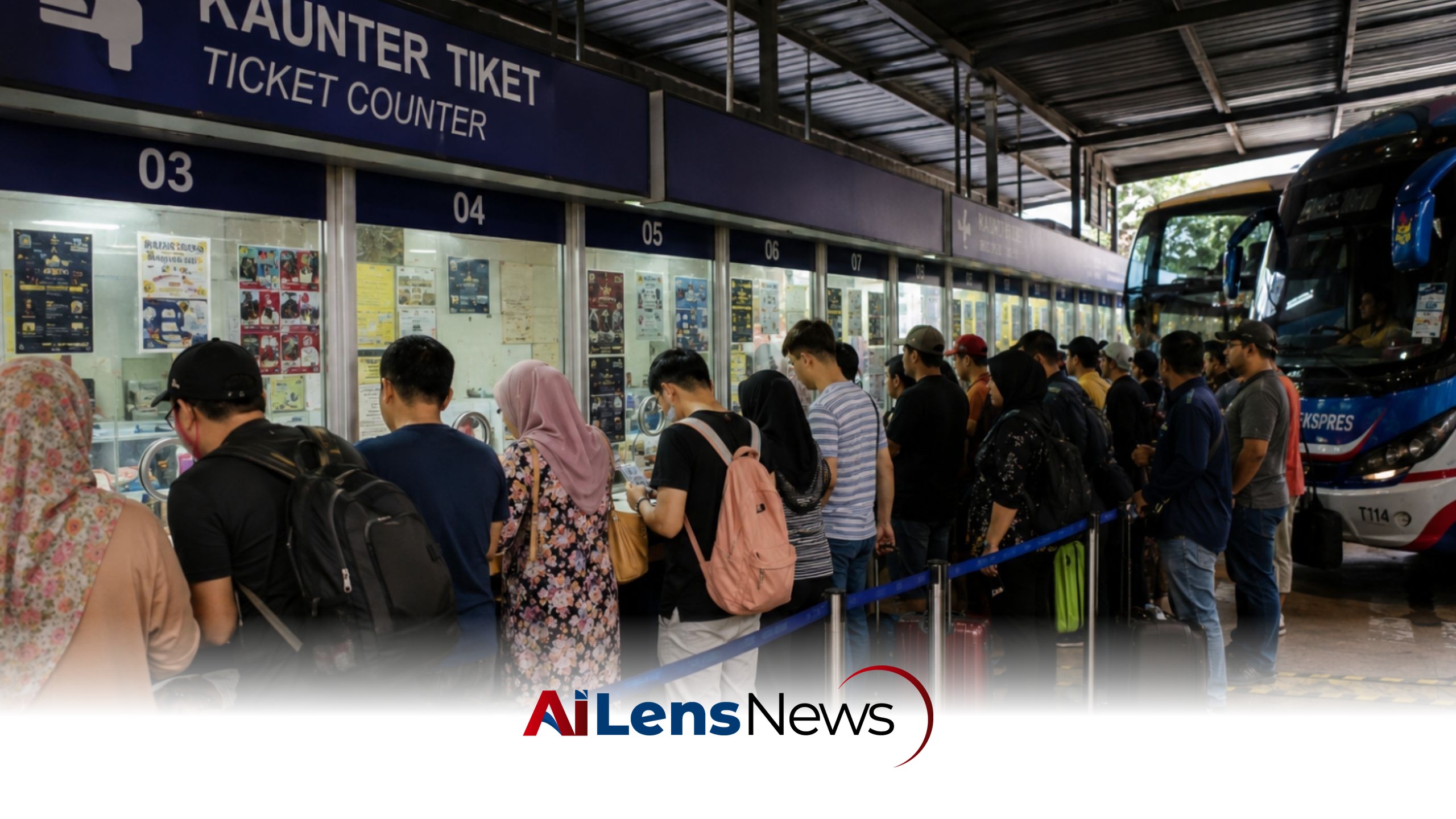


As bus fares increase significantly, Malaysians voice their worries about the rising cost of living, questioning the government's economic claims.
Singapore, Singapore Jul 15, 2026 ALN: In Malaysia, the cost of interstate express bus tickets is set to rise due to new regulations that reclassify buses based on seating layout rather than facilities. This change means that most two-plus-one configurations are now classified as executive units, leading to increased fares. The reclassification has sparked significant debate among the public, particularly as it comes at a time when many Malaysians are already feeling the pinch of rising living costs.
While the fares for economy buses remain capped at 9.3 sen (cent) per kilometer, executive services are required to charge a minimum of 15 sen per kilometer. This new fare structure is expected to have a cascading effect on the affordability of public transportation in Malaysia. Industry sources warn that this adjustment could lead to fewer discounts, higher travel costs, and a shift towards private vehicles. This shift could exacerbate existing traffic congestion and environmental issues, as more people may opt to drive rather than use public transportation.
Social media users have taken to platforms like X to express their concerns over the rising bus fares, which are particularly troubling for those who rely heavily on public transport. For many Malaysians, owning a car is prohibitively expensive, making buses a vital mode of travel. Public transport is not just a matter of convenience; for many, it is a necessity. The fare increase comes at a time when households are already grappling with a broader cost-of-living crisis, characterized by rising prices for essential goods and services, stagnating wages, and increasing economic uncertainty.
One user highlighted that the standard intercity bus fare has surged from around RM44.50 (S$14) to RM64.80 (S$20.50). While this may not seem significant to some, for individuals earning RM2,000 (S$633) monthly, it represents a considerable increase. This fare hike effectively reduces the disposable income of those already living paycheck to paycheck. The increase in transportation costs can lead to a ripple effect, where families may have to cut back on other essential expenses such as food, healthcare, and education to accommodate the higher travel costs.
Concerns have also been raised about job opportunities being concentrated in major cities like Kuala Lumpur, leaving residents in smaller towns with limited options. A user pointed out the lack of diverse employment opportunities in Kemaman, Terengganu, where most jobs are tied to the oil and gas sector. This concentration of job opportunities in urban centers not only increases the demand for public transport but also creates a disparity in economic growth across different regions of the country. Those living in rural areas often find it difficult to access jobs that pay a living wage, further perpetuating cycles of poverty.
Many agree that rising costs are linked to global inflation, not just a local issue. One user noted that RM50 (S$15.80) in the 1970s could purchase far more than it does today, emphasizing how inflation and currency fluctuations have diminished purchasing power over the decades. This historical perspective sheds light on the long-term economic challenges facing Malaysians. For some, the recent bus fare increases may seem trivial, akin to the price of a cup of coffee, but for the B40 group, that same amount could cover several days’ worth of food. The B40 demographic, which refers to the bottom 40% of income earners, is particularly vulnerable to changes in living costs, as they have less financial flexibility to absorb such increases.
This disparity highlights the growing inequality in Malaysia and raises the question: Is the country’s economic growth genuinely benefiting its citizens, particularly those in lower-income brackets who are most affected by rising living and transportation costs? The Malaysian government has made strides in economic development, but the benefits of this growth do not appear to be evenly distributed. The recent fare hikes serve as a stark reminder of the challenges that many Malaysians face in their daily lives, particularly as they navigate the complexities of a fluctuating economy.
The implications of rising bus fares extend beyond individual budgets; they also impact broader societal dynamics. Increased transportation costs can lead to decreased mobility for low-income families, limiting their access to employment, education, and healthcare services. As public transport becomes less affordable, the reliance on private vehicles may increase, contributing to greater environmental degradation and traffic congestion. This situation raises critical questions about the sustainability of Malaysia's transportation policies and the need for more equitable solutions that consider the needs of all citizens.
Moreover, the rise in bus fares could potentially influence government policy and public transport initiatives. If public outcry continues, it may prompt authorities to reconsider the fare structure or introduce subsidies to alleviate the burden on low-income commuters. Policymakers may need to engage in more comprehensive planning to ensure that public transportation remains accessible and affordable, especially in light of the ongoing economic challenges. This could include investing in more efficient public transit systems, exploring alternative funding models, and creating incentives for bus operators to maintain competitive pricing.
As the conversation around rising bus fares continues, it is crucial for stakeholders, including government officials, transport operators, and the public, to engage in dialogue about the future of public transportation in Malaysia. Addressing these concerns will require a collaborative approach that prioritizes the needs of vulnerable populations while also considering the economic realities faced by transport providers. Only through such cooperation can Malaysia hope to build a transportation system that is equitable, sustainable, and capable of supporting its diverse population.
To learn more about the latest developments in Economy, stay updated with our exclusive reports and analyses on AiLensNews.

