

As attacks between the US and Iran escalate, Israel prepares for more US refuelling planes, impacting civilian air traffic and military operations.
Singapore, Singapore Jul 19, 2026 ALN: Israel is preparing to receive more US refuelling aircraft, an Israeli military official said on July 19, as attacks launched by the US and Iran have escalated over the past week. This development comes amidst a backdrop of increasing tensions in the region, particularly between the US and Iran, which have seen a marked uptick in military confrontations.
The US and Iran have intensified strikes since an interim ceasefire deal signed a month ago crumbled, raising the possibility of a return to all-out war. The fragile ceasefire had been a temporary measure aimed at de-escalating hostilities that had been ongoing for several months, but its collapse has reignited fears of a broader conflict that could have significant ramifications for the Middle East and beyond. Israel has not joined the latest US attacks, maintaining a position of cautious observation while bolstering its own military readiness.
The Israeli official stated that the US had “decided to adjust its force posture in the region” and “to reinforce the existing fleet of aerial refuelling aircraft stationed in Israel with additional refuelling aircraft.” This adjustment reflects a strategic response to the evolving security landscape, particularly in relation to Iran's military activities and its influence in the region. The presence of additional refuelling aircraft is expected to enhance the operational capabilities of US forces, allowing for extended missions and increased readiness in the face of potential threats.
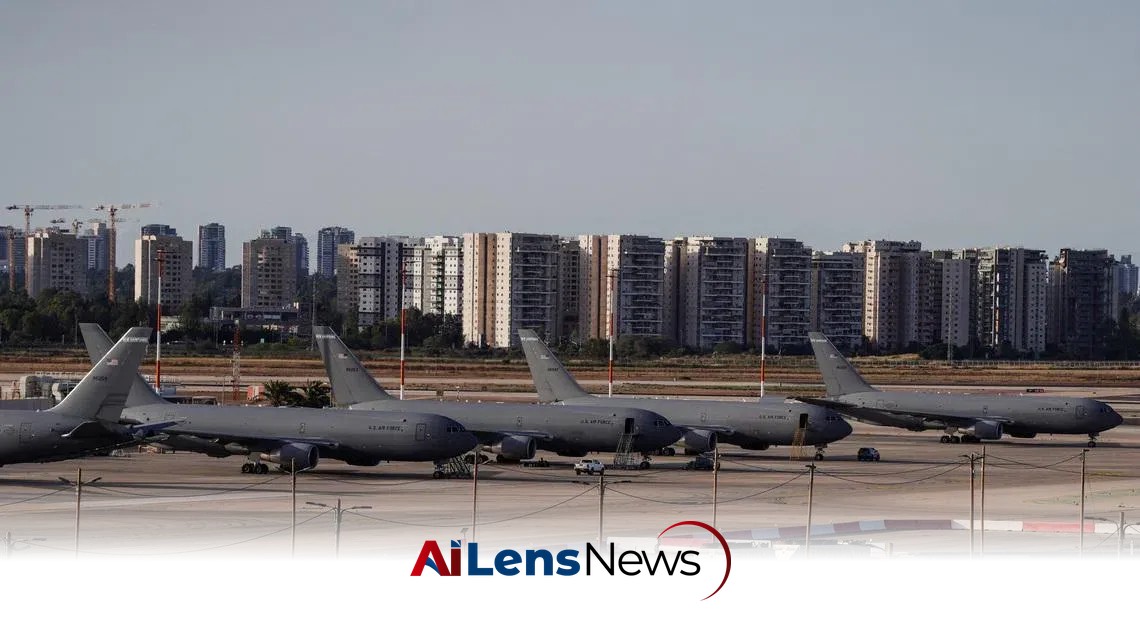
Another senior Israeli official indicated that dozens of US refuelling planes were expected to arrive in Israel. The move underscores the deepening military cooperation between the US and Israel, particularly in the context of shared concerns over Iranian aggression. The US has long viewed Israel as a key ally in the region, and the deployment of additional military assets serves to reinforce this partnership.
The US Embassy in Jerusalem was not immediately available for comment, highlighting the often complex and sensitive nature of diplomatic communications in times of heightened military activity. The lack of immediate comment also reflects the fast-paced developments in the region, where military and diplomatic maneuvers can change rapidly.
Since the conflict began with US and Israeli strikes against Iran on February 28, the US has stationed dozens of refuelling aircraft in Israel. This deployment is part of a broader strategy to ensure that US forces in the region can operate effectively and respond to any threats that may arise. The presence of these aircraft is crucial for sustaining air operations, particularly in a region where long-range missions are often necessary due to the distances involved.
Citing three US and Israeli officials, Axios reported on July 17 that the Trump administration notified Israel that it was sending dozens more refuelling planes to the country ahead of a potential expansion of military operations against Iran. This notification indicates a proactive approach by the US to prepare for any escalation in military engagements, particularly as tensions remain high and the potential for conflict looms.
The Israeli military official noted that to minimize disruptions to civilian air traffic, and based on operational and logistical considerations, the US “chose to station some of the refuelling aircraft at Israeli Air Force bases,” as well as at commercial airports. This decision reflects a careful balancing act between military needs and the practicalities of civilian aviation, particularly at a time when air travel is crucial for both economic and social reasons in Israel.
In May, Sharon Kedmi, director-general of the authority, said 70 percent of activity at Ben Gurion Airport – Israel’s main air gateway – was limited because of the space and resources being taken up by US military activity. This limitation underscores the significant impact that military operations can have on civilian infrastructure, particularly in a small country like Israel where air traffic is vital for connectivity and commerce.
Since then, the US agreed to move some aircraft to Israeli Air Force bases, according to a spokesperson for Transport Minister Miri Regev. This agreement reflects an ongoing dialogue between the US and Israeli authorities, as both sides seek to ensure that military operations can proceed without unduly disrupting civilian life.
As of June 25, there were 98 US military planes in Israel, the spokesperson said. This number highlights the substantial US military presence in the country, which serves as a deterrent against potential threats and as a means of ensuring regional stability. The continued deployment of US military assets in Israel is likely to be viewed with concern by Iran and its allies, who may interpret these actions as provocative and indicative of US intentions in the region.
The implications of these developments extend beyond the immediate military context. The increased US military presence in Israel may influence regional dynamics, potentially affecting the calculations of Iran and its proxies in neighboring countries such as Syria and Lebanon. Additionally, the situation raises questions about the effectiveness of diplomatic efforts to resolve tensions in the region, particularly given the ongoing hostilities and the apparent unwillingness of both sides to engage in meaningful dialogue.
As the situation continues to evolve, the international community will be closely monitoring developments in Israel and Iran. The potential for escalation remains high, and the consequences of any further military action could be profound, impacting not only the countries directly involved but also the broader geopolitical landscape in the Middle East.
In conclusion, the decision to deploy additional US refuelling aircraft to Israel is emblematic of the heightened tensions in the region and the ongoing military cooperation between the US and Israel. As both countries navigate the complexities of their security challenges, the implications of these actions will be felt far beyond their borders, influencing regional stability and the prospects for peace in an already volatile area.
To learn more about the latest developments in World News & International Affairs, stay updated with our exclusive reports and analyses on AiLensNews.

