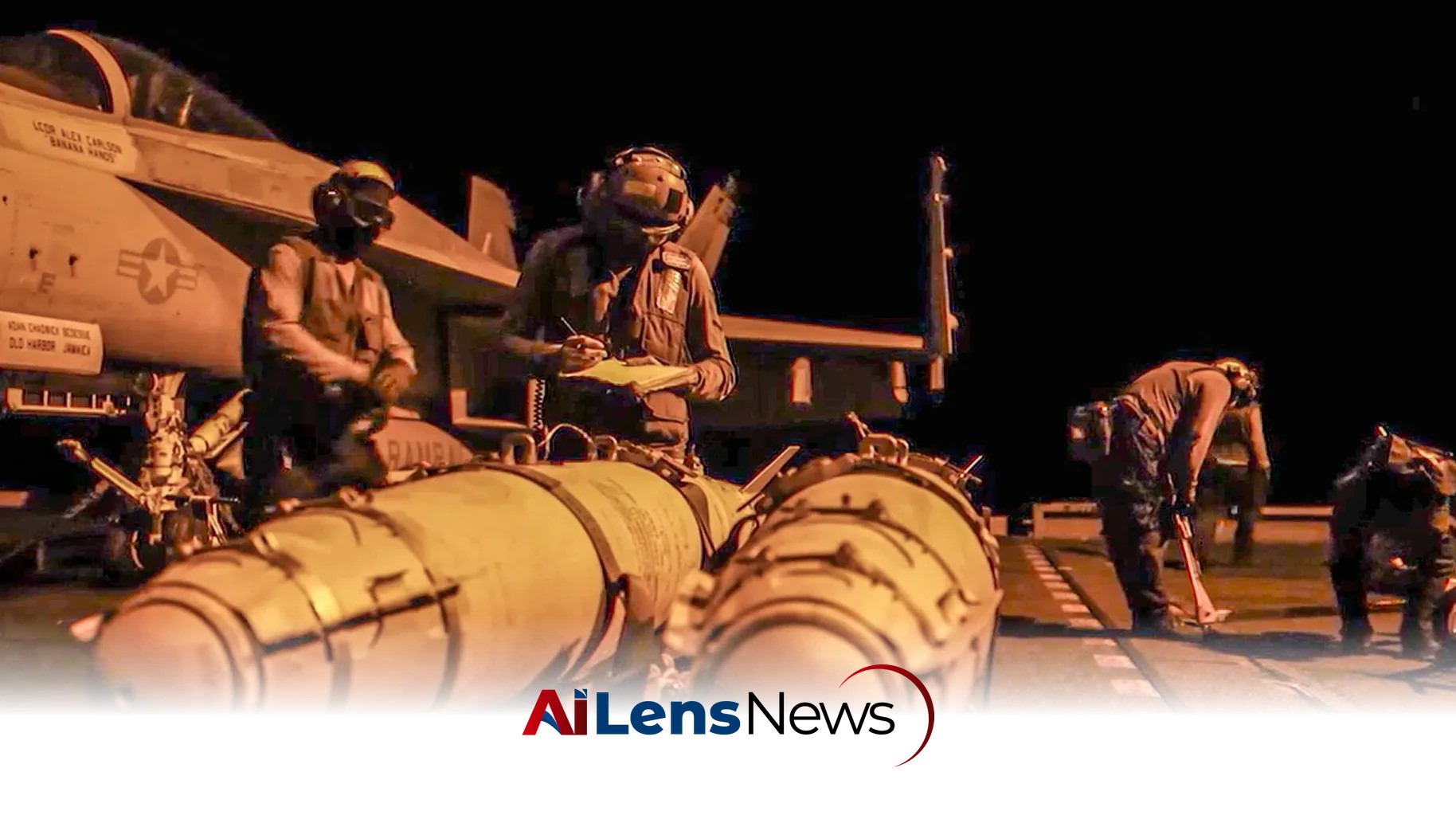


The US-Iran conflict intensifies as a third US service member dies amid ongoing military strikes in the region.
Singapore, Singapore Jul 20, 2026 ALN: The United States and Iran are currently embroiled in a rapidly escalating conflict that has seen a series of retaliatory attacks, leading to significant military and civilian casualties. This recent surge in hostilities is marked by the death of a third American service member within a span of just two days, underscoring the severe risks facing US forces in the region.
On July 19, US Central Command announced the latest wave of military strikes, which coincided with the death of a service member in northern Iraq. The individual was reportedly killed while attempting to detonate an unexploded Iranian drone, a task that highlights the dangerous and unpredictable nature of the current military environment. Another service member sustained injuries during this operation, further compounding the human toll of the ongoing conflict.
Earlier, on July 17, two American troops lost their lives in Jordan due to an attack attributed to the Iranian Revolutionary Guard Corps (IRGC). This incident not only resulted in the fatalities of these service members but also left four others injured and one service member reported missing. The complexity of these engagements reflects a broader pattern of Iranian aggression against US forces and allies in the region.
With the latest casualty, the total US military toll has reached 17 since the onset of the US-Israeli war on Iran, which began on February 28. This conflict has significantly altered the geopolitical landscape in the Middle East, with Central Command currently investigating unidentified remains found in Jordan to ascertain whether they belong to the missing service member. The ongoing investigation underscores the challenges faced by military leadership in managing operations and ensuring the safety of troops in a volatile environment.
The recent week of back-and-forth military strikes has expanded beyond traditional military targets, affecting critical infrastructure such as bridges and utilities. This escalation raises concerns about the diminishing likelihood of returning to the fragile ceasefire that was established in June, which had offered a temporary respite from violence. The targeting of civilian infrastructure not only exacerbates humanitarian crises but also complicates diplomatic efforts aimed at de-escalation.
Adding to the tensions, Iranian Foreign Minister Abbas Araghchi has publicly stated that certain demands related to Iran's nuclear ambitions may remain "unresolvable." This statement indicates a significant impasse in diplomatic negotiations, which have already faced numerous challenges in recent years. The inability to reach a consensus on Iran's nuclear program complicates the international community's efforts to stabilize the region and mitigate the potential for further conflict.
US Central Command has characterized the recent strikes as efforts to diminish Iran's capability to threaten commercial shipping and to provide a swift response to IRGC forces. This strategic approach reflects a broader US military objective to deter Iranian aggression while safeguarding vital maritime routes in the Persian Gulf, which are crucial for global oil supply.
In the latest military actions, US forces have targeted Qeshm Island in the Persian Gulf, along with southern Iranian cities such as Shadegan, Sirik, and Hajiabad. While these strikes are intended to disrupt Iranian military capabilities, reports on casualties or damage from these operations have yet to emerge, leaving questions about the effectiveness and consequences of the US military response.
Meanwhile, Kuwait has faced retaliatory attacks from Iran, with a power and water desalination plant targeted, marking the third such incident in as many days. Local authorities have reported significant damage to vital infrastructure due to these drone strikes, raising alarms about the potential for widespread disruption to essential services. The targeting of civilian infrastructure not only highlights the risks to regional stability but also poses severe challenges for humanitarian efforts in the affected areas.
Bahrain has also reported intercepting a wave of Iranian aerial attacks, while Israel confirmed intercepting an Iranian drone near its border with Syria. Israeli Defense Minister Israel Katz has warned that the country would respond decisively if attacked, indicating a readiness to engage militarily if necessary. This highlights the interconnected nature of the conflicts in the region, where actions by one state can provoke responses from others, further escalating tensions.
In response to the deteriorating situation, the US is reportedly deploying additional warplanes to the Middle East, including F-16 and F-35 jets, along with aerial refueling aircraft. These military movements signal a potential escalation in US military actions and reflect a commitment to bolster US presence in the region amid rising threats. The deployment of advanced military assets underscores the seriousness with which the US is treating the current crisis and its implications for regional security.
The ongoing conflict has also had significant economic repercussions, particularly in the oil markets. Oil prices have surged by over 3% in response to the conflict, with Brent crude surpassing $90 a barrel. Analysts suggest that the tightening oil market is likely to keep prices elevated, driven by repeated strikes on vessels in the Strait of Hormuz and attacks on energy infrastructure. The volatility in oil prices not only affects the economies of oil-dependent nations but also has broader implications for global markets and economic stability.
As the situation continues to evolve, the international community watches closely, with concerns about the broader implications of the conflict in the Middle East. The potential for further escalation raises questions about the effectiveness of diplomatic efforts and the ability of regional powers to manage tensions. The ongoing violence not only threatens the stability of the region but also poses risks to global peace and security, as the consequences of military actions can reverberate far beyond the immediate area of conflict.
In conclusion, the escalation of the US-Iran conflict represents a critical juncture in Middle Eastern geopolitics, with significant implications for military strategy, international relations, and global economic stability. As both sides continue to engage in military actions, the prospect of a diplomatic resolution remains uncertain, raising the stakes for all parties involved.
To learn more about the latest developments in World News & International Affairs, stay updated with our exclusive reports and analyses on AiLensNews.

