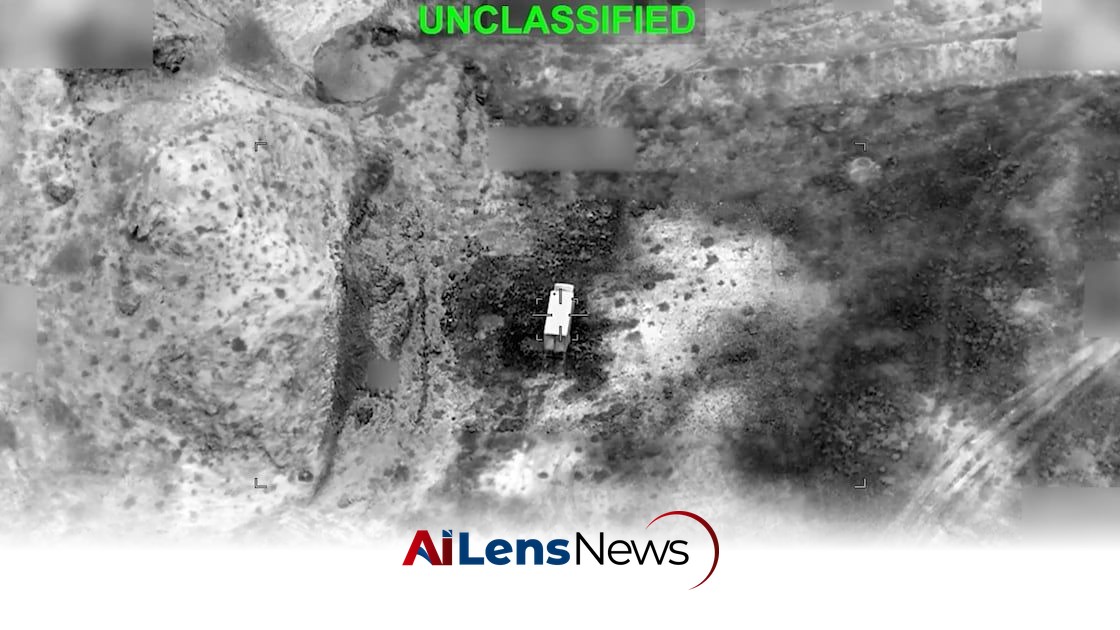


In a significant escalation, US forces have targeted Iranian military sites on Greater Tunb, while new arms sales to Saudi Arabia and Kuwait have been authorized.
Riyadh, Saudi Arabia Jul 16, 2026 ALN: In today’s episode of Trending Middle East, the regional conflict intensifies as US forces strike Iranian military positions on Greater Tunb, an island seized by Tehran in 1971. This operation aims to dismantle coastal defense systems and other military infrastructure, thereby reducing Iran's capacity to threaten commercial shipping through the vital Strait of Hormuz. The Strait of Hormuz is a strategic waterway through which a significant portion of the world’s oil supply is transported, making it a focal point of geopolitical tensions in the region.
The Greater Tunb island, along with Lesser Tunb, was taken over by Iran during a period of heightened tensions in the Gulf. The islands are strategically located near the Strait of Hormuz and have been a point of contention between Iran and the United Arab Emirates (UAE), which claims sovereignty over them. The recent US military strikes are part of a broader strategy to counter Iranian influence in the Gulf region and to secure shipping lanes that are critical not only for the Gulf states but for global trade.
Both Jordan and Kuwait have reported intercepting renewed Iranian attacks, highlighting the ongoing security concerns that these nations face from Iranian military capabilities. The increased Iranian activity in the region has prompted neighboring countries to bolster their defense systems and seek greater military cooperation with the US. This situation underscores the precarious balance of power in the Middle East, where alliances and rivalries are often fluid and influenced by external powers.
In a related development, the US has approved nearly $2.5 billion in new military equipment sales to Saudi Arabia and Kuwait. This move underscores the ongoing military collaboration between Washington and its Gulf allies, particularly in the context of countering Iranian aggression. The military sales are expected to include advanced weaponry and defense systems that enhance the operational capabilities of the Saudi and Kuwaiti forces. Such transactions are not only indicative of the US's commitment to its allies in the region but also reflect the broader strategy of containment against Iran's expanding influence.
The military sales to Saudi Arabia and Kuwait also come at a time when both countries are facing internal and external challenges, including security threats from Houthi rebels in Yemen, who are supported by Iran. The ongoing conflict in Yemen has drawn in a coalition of Gulf states led by Saudi Arabia, and the military assistance from the US is seen as a vital component in their efforts to stabilize the region and protect their national interests.
In Rome, diplomatic progress is being made as Lebanon and Israel engage in US-backed negotiations. These talks are particularly significant given the long-standing tensions between the two nations, which have been marked by conflict and hostilities over the years. The agreement to advance plans for pilot security zones in southern Lebanon represents a potential step towards reducing tensions and enhancing security in the border areas. The technical discussions that are ongoing may lead to further agreements that could stabilize the region, though skepticism remains about the durability of any agreements reached, given the complex political landscapes in both countries.
Moreover, new US transparency regulations may compel Gulf family offices investing in activist campaigns on Wall Street to disclose their identities for the first time. This development raises questions about the influence of foreign investments in domestic affairs and the potential implications for US foreign policy. The increased scrutiny on foreign investments is part of a broader trend aimed at ensuring transparency and accountability in financial markets, particularly in light of growing concerns over foreign influence in domestic politics.
The implications of these regulations could be significant, as Gulf states have been known to invest heavily in various sectors of the US economy, including technology, real estate, and finance. The requirement for transparency may alter the landscape of these investments and could lead to a reevaluation of how Gulf investors engage with the US market. It also reflects a growing awareness of the need to safeguard national interests against potential foreign influence.
In a cultural development, Dubai’s Museum of the Future is set to undergo its most significant transformation since its opening. The museum, which has quickly become an iconic landmark in Dubai, is known for its innovative exhibitions that explore the future of various fields, including technology, sustainability, and health. The plans to replace every major exhibition before a relaunch scheduled for early 2027 indicate a commitment to staying at the forefront of cultural and educational engagement.
This transformation aligns with Dubai's broader vision to position itself as a global hub for innovation and creativity. The museum's focus on future-oriented themes resonates with the UAE's strategic goals of fostering a knowledge-based economy and attracting international talent. The updates to the museum are expected to enhance visitor experiences and further establish it as a leading destination for both locals and tourists.
As the region continues to navigate complex geopolitical dynamics, the interplay between military actions, diplomatic negotiations, financial regulations, and cultural developments will be crucial in shaping the future of the Middle East. The ongoing US military operations against Iranian positions, coupled with the approval of arms sales to Gulf allies, reflect a strategic approach to countering threats while fostering alliances. Meanwhile, diplomatic efforts in Lebanon and Israel highlight the potential for dialogue and cooperation amidst longstanding rivalries.
In conclusion, the developments in the Middle East are indicative of the intricate web of relationships and tensions that define the region. The actions taken by the US, the responses from Gulf states, and the ongoing negotiations between Lebanon and Israel will have lasting implications for regional stability and security. As the situation evolves, it will be essential for all stakeholders to navigate these challenges thoughtfully, balancing national interests with the pursuit of peace and cooperation in a historically volatile region.
To learn more about the latest developments in World News & International Affairs, stay updated with our exclusive reports and analyses on AiLensNews.

