

Recent military actions between the US and Iran raise concerns for UAE residents regarding security, air travel, and energy supplies.
Riyadh, Saudi Arabia Jul 14, 2026 ALN: The United States and Iran are once again trading military blows after a fragile diplomatic breakthrough collapsed, raising fresh concerns for Gulf residents over regional security, air travel, shipping, and energy supplies.
Here are the key developments UAE residents should know today:
The conflict escalated after two UAE-flagged oil tankers were hit by Iranian cruise missiles while transiting the southern shipping lane of the Strait of Hormuz in Omani waters, according to UAE authorities. This attack marks a significant escalation in tensions, particularly given the strategic importance of the Strait of Hormuz, which serves as a critical artery for global oil transportation.
One Indian crew member was killed and eight others were injured. Fires aboard both vessels were brought under control, and the UAE condemned the attack as a violation of international law. This incident has raised alarms about the safety of maritime operations in a region that is already fraught with geopolitical tensions.
In response, the US military launched another round of airstrikes targeting Iranian military infrastructure, including coastal radar installations, air defense systems, and facilities used to support attacks on commercial shipping. The latest operation marks several consecutive nights of US strikes as Washington seeks to weaken Iran's ability to threaten maritime traffic through the Strait of Hormuz.
Despite the military escalation, President Donald Trump expressed a belief in the potential for diplomatic resolutions, stating, "Yeah, I think a deal is possible. We had a deal two days ago and then they said, 'We have to negotiate it further.'" This statement underscores the complex and often contradictory nature of US-Iran relations, where military action and diplomatic overtures coexist.
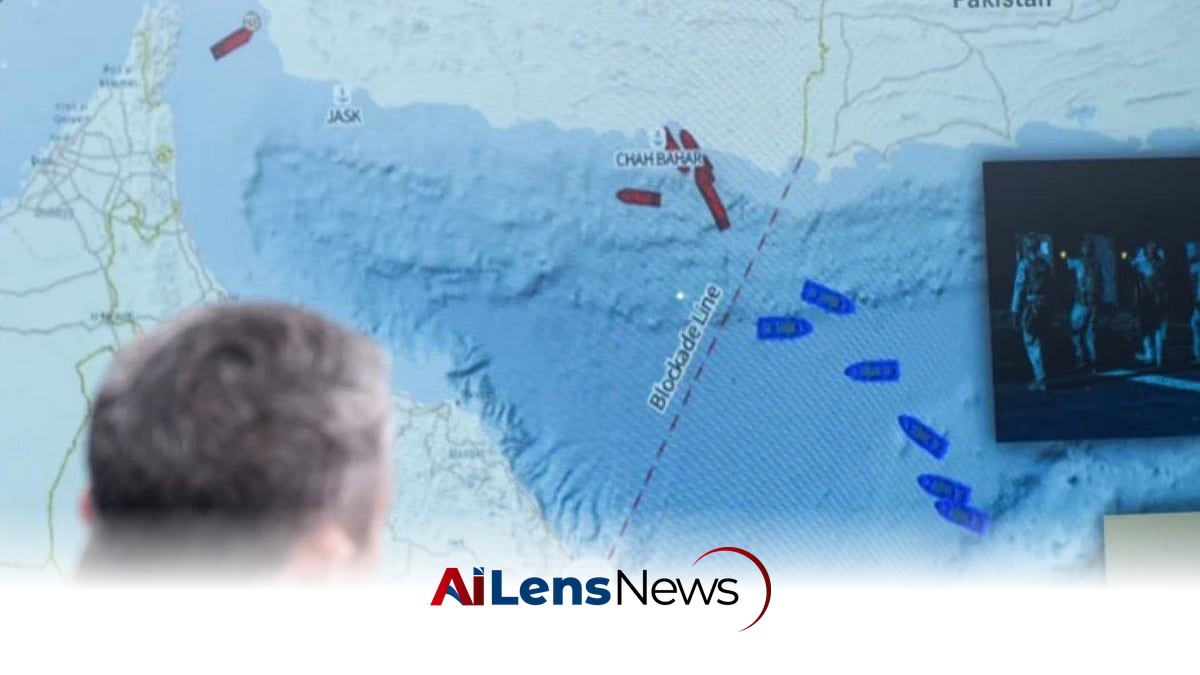
President Trump announced that the United States will reinstate its naval blockade on Iranian ports, saying the objective is to prevent Tehran from using maritime trade to finance its military operations while allowing commercial vessels serving non-Iranian ports to continue transiting the Strait of Hormuz. The US Navy blockade on Iran ports is set to be reinstated on Tuesday at 20:00 UTC.
This blockade is significant as it aims to exert economic pressure on Iran, potentially limiting its ability to fund military activities and exert influence in the region. However, such measures could also have unintended consequences, including disruptions to global oil markets and increased tensions in the Gulf region.
Authorities have not announced broad restrictions on daily life, but residents should expect heightened security across the Emirates. Key areas to watch include:
Increased naval and air force activity in Gulf waters, which could lead to a more militarized environment in the region.
Possible flight delays or rerouting if regional airspace restrictions expand, which could impact travel plans for residents and tourists alike.
Higher shipping insurance costs that could eventually affect import prices, leading to potential increases in consumer goods.
Continued volatility in global oil markets, although the UAE's domestic fuel supply remains secure, providing some reassurance to residents.
Officials continue to advise residents to rely on government announcements rather than unverified social media posts for security information. This guidance is critical in an age where misinformation can spread rapidly, potentially causing unnecessary panic or confusion among the public.
The Strait of Hormuz remains one of the world's most strategically important waterways, carrying roughly one-fifth of global oil consumption and a significant share of liquefied natural gas exports. This chokepoint is vital not only for regional economies but also for global energy security.
Iran maintains that it has authority over maritime access, while Washington insists freedom of navigation must be preserved and rejects Tehran's claim to control the shipping lane. This ongoing dispute highlights the complex geopolitical dynamics at play, where national interests often clash with international norms regarding maritime freedom.
Oil prices rose sharply — nearly 10%, the biggest one-day rise — early on Tuesday, as traders assessed the risk of further disruption to Gulf energy exports following the tanker attacks and renewed US strikes. The volatility in oil prices is a direct reflection of the heightened tensions and uncertainty surrounding the security of energy supplies from the Gulf region.
Analysts say prices could remain volatile as long as military operations continue around the Strait of Hormuz, even if commercial shipping outside Iranian ports remains open. This volatility could have broader implications for global economies, particularly those heavily reliant on oil imports.
The latest fighting follows the collapse of a ceasefire framework negotiated last month that had briefly reduced hostilities between Washington and Tehran. Both sides now accuse each other of violating the agreement, while military operations have resumed across the Gulf. This breakdown in negotiations indicates a return to a more confrontational stance, which could further destabilize the region.
Stability in the Strait of Hormuz remains critical for the region and the rest of the world. Although the latest attacks have heightened tensions, authorities have continued to emphasize preparedness, the resilience of national infrastructure, and coordination with international partners to safeguard maritime trade and public safety. These efforts are essential in maintaining a semblance of stability in an increasingly volatile environment.
Continued attacks on commercial shipping, combined with the renewed US blockade, could keep energy markets volatile in the days ahead. Regional governments have heightened security around ports, critical infrastructure, and maritime routes. Airlines and shipping companies continue to monitor the evolving security situation, while officials urge the public to rely on verified government information as diplomatic efforts by Pakistan, Oman, Qatar, and other regional mediators continue behind the scenes.
The implications of these developments are profound, not only for the UAE but for the entire Gulf region and beyond. As tensions escalate, the potential for miscalculations or unintended consequences increases, making it crucial for all parties involved to engage in dialogue and seek peaceful resolutions to the ongoing conflicts.
To learn more about the latest developments in World News & International Affairs, stay updated with our exclusive reports and analyses on AiLensNews.

