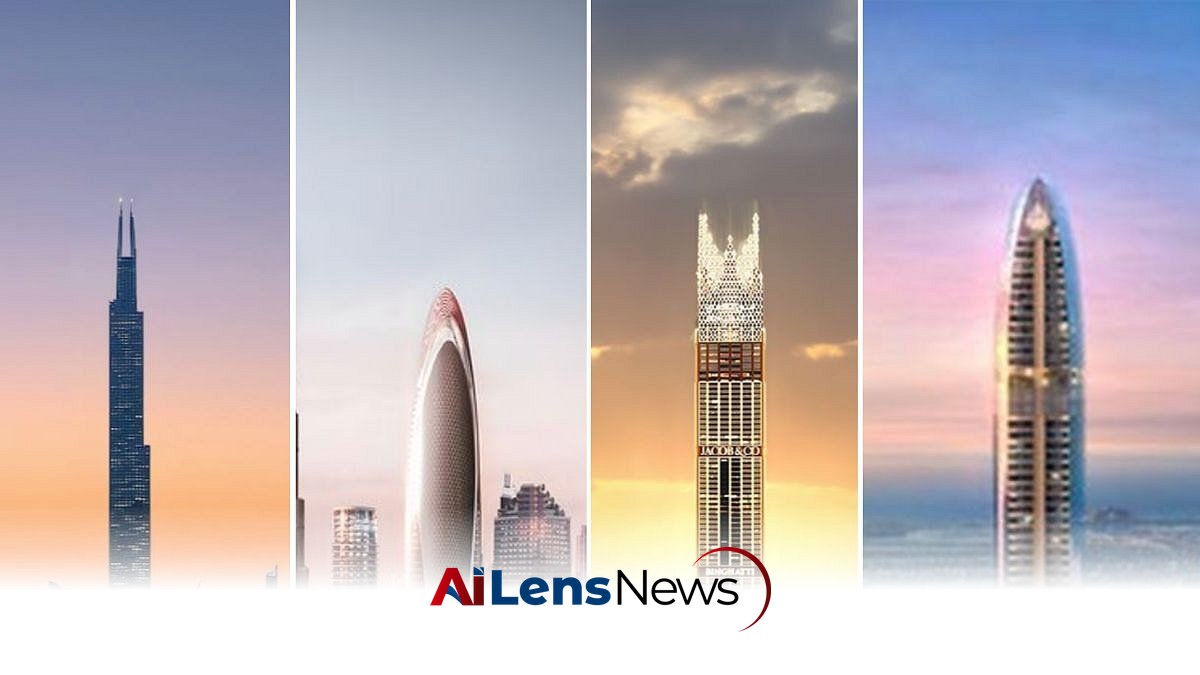


The UAE solidifies its status as a global skyscraper leader with six of the world's tallest buildings under construction in Dubai, showcasing luxury and innovation.
Riyadh, Saudi Arabia Jul 29, 2026 ALN: The United Arab Emirates (UAE) has established itself as a global leader in the skyscraper race, a trend that shows no signs of slowing down. As of July 2026, the country is home to six of the world’s 20 tallest buildings currently under construction, all located in Dubai. This remarkable statistic not only reinforces Dubai's status as the skyscraper capital of the Middle East but also highlights the emirate's commitment to ambitious architectural projects and luxury real estate development.
According to data from Skyscraper Center, all ten of the tallest skyscrapers under construction in the UAE are situated in Dubai. This concentration of high-rise projects is indicative of the city’s ongoing investment in luxury real estate and tourism, sectors that have become vital to its economy. The skyscraper boom is largely driven by private investors, who are eager to capitalize on the growing demand for high-end living and commercial spaces in one of the world’s most dynamic cities.
Dubai's skyline is set to be further transformed by several world-leading projects. Among the tallest buildings currently under construction are the Burj Azizi, Burj Binghatti, Tiger Sky Tower, and Six Senses Residences. These structures not only aim to reach impressive heights but also incorporate cutting-edge design and technology, reflecting the emirate's innovative spirit. The architectural designs of these towers often blend traditional Arab elements with modern aesthetics, showcasing a unique cultural identity that appeals to both local and international audiences.
One of the notable trends in Dubai’s skyscraper development is the luxury branding boom. Many of the new towers are being co-developed with international luxury brands, including Jacob & Co., Mercedes-Benz, Franck Muller, Rixos, and Six Senses. This strategic collaboration underscores Dubai's ambition to attract ultra-high-net-worth individuals and affluent buyers from around the globe. The integration of luxury brands into real estate projects not only elevates the status of these buildings but also enhances their marketability, appealing to buyers seeking exclusivity and prestige. This trend reflects a broader shift in the real estate market, where luxury branding is increasingly seen as a key differentiator in a competitive landscape.
In addition to luxury living, most of these projects are designed as mixed-use developments. This means they combine residential units with five-star hotels, observation decks, restaurants, and retail spaces. This multifaceted approach is aimed at maximizing land value and enhancing the tourism appeal of the area. By creating environments where residents and visitors can live, work, and play, Dubai is positioning itself as a premier global destination. Such developments are not merely about height; they are about creating vibrant communities that foster social interaction and economic activity.
The implications of this skyscraper boom are far-reaching. By the end of the decade, Dubai is expected to add several new supertall skyscrapers that exceed 500 meters in height. This ambitious goal will further widen its lead as the city with the largest concentration of ultra-tall buildings outside of China. Such developments not only contribute to the city's iconic skyline but also serve as a testament to its economic resilience and growth potential. The presence of these towering structures can enhance Dubai's global image, attracting further investment and tourism.
In the broader context of global architecture, Dubai's skyscraper ambitions are part of a larger trend where cities around the world are pushing the boundaries of design and engineering. As urban populations continue to grow, the demand for vertical living solutions is becoming increasingly important. Skyscrapers not only provide housing and office space but also symbolize progress and innovation in urban planning. They represent the aspirations of cities to redefine their skylines and create landmarks that are recognized worldwide.
Moreover, the construction of these towering structures has significant economic implications. The influx of investment into Dubai’s real estate market stimulates job creation, boosts the construction sector, and encourages tourism. As these skyscrapers become landmarks, they attract visitors and potential investors, further fueling the local economy. The construction phase alone generates thousands of jobs, contributing to the emirate's employment landscape and ensuring a steady flow of income for many families.
However, the rapid pace of construction and the focus on luxury developments also raise questions about sustainability and urban planning. Critics argue that the emphasis on high-end projects may lead to a lack of affordable housing options for the average citizen. As Dubai continues to grow, balancing the needs of its residents with the demands of luxury tourism will be a critical challenge. The government and developers will need to consider how to create inclusive communities that cater to a diverse population, ensuring that the benefits of economic growth are shared equitably.
Additionally, the environmental impact of constructing and maintaining skyscrapers is an important consideration. As the UAE grapples with issues related to climate change and resource management, integrating sustainable practices into the design and construction of these buildings will be essential. Innovations such as energy-efficient systems, green roofs, and sustainable materials are becoming increasingly relevant as the emirate seeks to position itself as a leader in sustainable development. This commitment to sustainability will not only enhance the livability of the city but also align with global efforts to combat climate change.
As the world watches Dubai's skyline evolve, the implications of its skyscraper ambitions extend beyond architectural feats. They reflect the emirate's broader vision for its future—a future that embraces luxury, innovation, and sustainability. With continued investment and a commitment to pushing the boundaries of what is possible, Dubai is poised to remain at the forefront of the global skyscraper race for years to come. The developments underway are not just about creating new buildings; they are about shaping the future of urban living and setting benchmarks for cities worldwide.
To learn more about the latest developments in Crime & Law, stay updated with our exclusive reports and analyses on AiLensNews.

