

Palestinian olive oil production faces a severe decline due to adverse weather, land confiscations, and settler violence, impacting farmers and the economy.
Riyadh, Saudi Arabia Jul 18, 2026 ALN: Thousands of tonnes of Palestinian olive oil are missing from supermarket shelves around the world, from the Gulf and Europe to the US and Malaysia. This absence of a staple product not only reflects a market gap but also signifies a deeper crisis affecting the agricultural backbone of Palestinian society.
This situation is keenly felt by farmers in Palestine, where the olive tree, with deep roots that can go back centuries, is a symbol that many hold dear, including Kamal Mukarker. His family owns a large number of trees in Beit Jala, south of Jerusalem in the occupied West Bank. For much of the 21st century, they lived off the proceeds from their production of olive oil, selling a large jar every two weeks. The connection is so strong that even his second name could come from the Arabic word for pruning olive trees, he told The National. It also means giggling, which adds a layer of cultural significance to his identity as an olive farmer.
However, this year there are neither many olives to prune nor many reasons to be happy. A lack of rain has been compounded by disruption from settler violence, leading to what farmers are calling the worst olive crop since 2009. The olive harvest is not merely an economic activity for many Palestinians; it is intertwined with their cultural heritage and identity. The olive tree is often seen as a symbol of peace and resilience, and its cultivation has been passed down through generations.
The ongoing conflict in the region has created a complex web of challenges for farmers. With the effects of the Gaza war and Israel’s occupation of the West Bank already hurting the economy, it is a devastating time for farmers, who are also being hit by natural forces. “Since the Gaza war, many people went back to agriculture, especially workers that used to work in Israel. Many people ended up cultivating their land because there’s no other source of income in the West Bank,” Mr. Mukarker said. This shift back to agriculture reflects a broader economic trend where traditional livelihoods are being re-emphasized as alternative sources of income diminish due to political instability and economic hardship.
“The problem during the last two years was the weather and the rainy season. They were disasters. The drop in production was more than 70 percent.” This staggering statistic underlines the precarious nature of agricultural productivity in the region, which can be heavily influenced by climatic conditions. Farmers depend on the rainy season to nurture their crops, and extreme weather patterns have disrupted this cycle, leading to significant losses.
While weather is at the root of the problem, Israeli actions exacerbate the situation. When the nearby separation barrier between Israel and much of the West Bank was built, Mukarker's family lost 30 percent of their land. This loss not only diminishes their capacity to produce olives but also impacts their livelihoods and the economic stability of their community. The separation barrier, often referred to as the 'apartheid wall' by critics, has been a source of contention and division, further complicating the lives of farmers who rely on their land for survival.
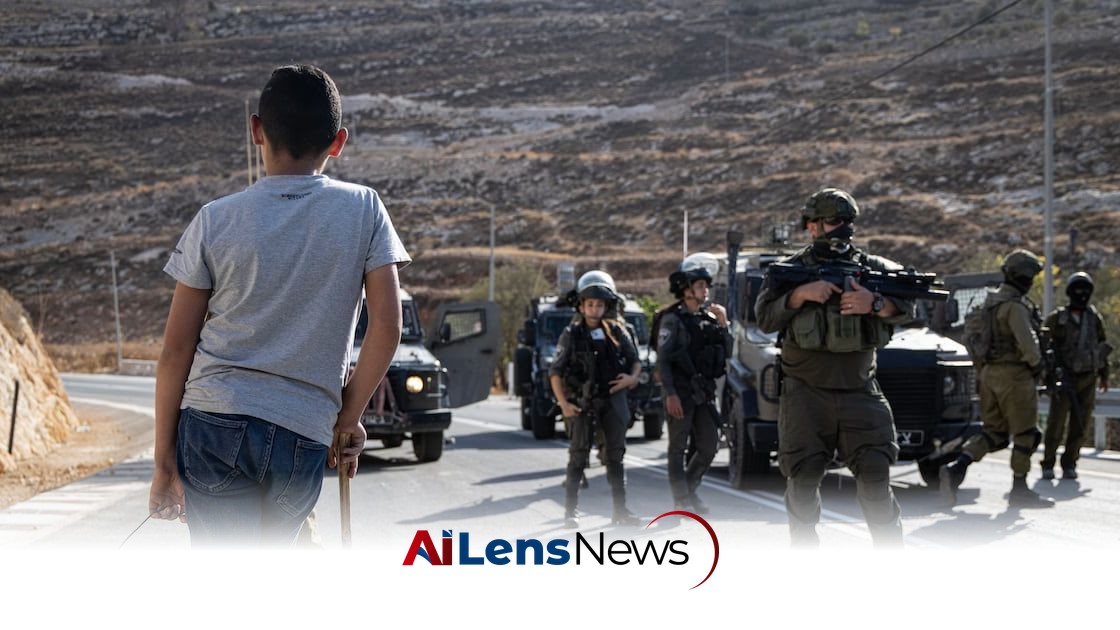
Settlements in the area have been around for decades and have expanded over time. These settlements often encroach on Palestinian agricultural land, restricting access to vital resources and further diminishing the available arable land. Even more troublesome, new outposts have emerged—a common problem during the tenure of Prime Minister Benjamin Netanyahu’s latest government, which prioritizes settlement on Palestinian land. This policy not only undermines the prospects for peace but also directly threatens the livelihoods of farmers like Mukarker, who are caught in the crossfire of political maneuvers.
“The harvest of last year was affected also because of settler violence. We lost twice,” Mukarker lamented. Such violence includes physical assaults on farmers, destruction of olive trees, and intimidation tactics that discourage agricultural activities. This cycle of violence and retaliation has created an atmosphere of fear, making it increasingly difficult for farmers to tend to their crops and harvest their olives. The psychological toll of such violence cannot be underestimated; it affects the mental health and well-being of farmers and their families, who often live in a constant state of anxiety about their safety and the future of their livelihoods.
The implications of this crisis extend beyond individual farmers and their families. The olive oil industry is a critical component of the Palestinian economy, providing jobs and income for thousands. The loss of production not only affects local markets but also international demand, as Palestinian olive oil has gained a reputation for its quality and flavor. The absence of Palestinian olive oil on global supermarket shelves reflects a larger narrative of displacement and loss that many Palestinians experience. It serves as a reminder of the ongoing struggle for economic independence and self-sufficiency amidst political turmoil.
In addition to the economic implications, the cultural significance of olive oil in Palestinian society cannot be overlooked. Olive oil is not just a commodity; it is a symbol of heritage, resilience, and the connection to the land. The act of harvesting olives is often a communal event, bringing families and neighbors together, reinforcing social ties, and preserving cultural traditions. The declining olive harvest threatens to erode these cultural practices and the sense of community that comes with them.
As farmers like Mukarker face these challenges, the need for international support and advocacy becomes increasingly urgent. Organizations focused on human rights and agricultural sustainability are calling for greater awareness of the plight of Palestinian farmers and the importance of preserving their agricultural heritage. By highlighting the connection between olive oil production and the broader socio-political context, advocates hope to foster a greater understanding of the challenges faced by Palestinian farmers.
In conclusion, the crisis surrounding Palestinian olive oil production is a multifaceted issue that encompasses environmental, economic, and cultural dimensions. The disappearance of olive oil from supermarket shelves is not merely a market failure; it is a reflection of the ongoing struggles faced by farmers in the region. As the situation continues to evolve, it remains essential to recognize the resilience of those who cultivate the land and to support their efforts in preserving their agricultural heritage amidst adversity.
To learn more about the latest developments in World News & International Affairs, stay updated with our exclusive reports and analyses on AiLensNews.

