

Saudi Arabia's homeownership rate reached 66.24% by 2025, nearing its Vision 2030 goal of 70%, as the Kingdom advances sustainable urban development.
Riyadh, Saudi Arabia Jul 18, 2026 ALN: Saudi Arabia's homeownership rate rose from 47% in 2016 to 66.24% by the end of 2025, moving closer to the Vision 2030 target of 70%, Minister of Municipalities and Housing Majed Al-Hogail said.
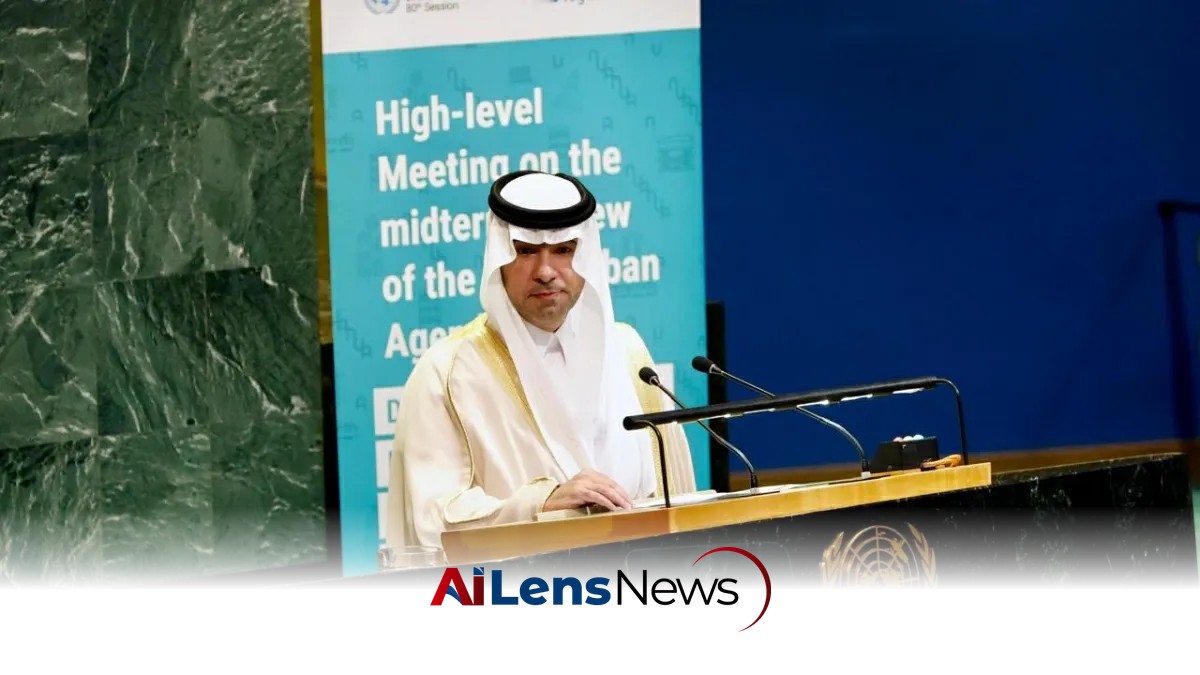
Speaking during Saudi Arabia's address at the UN General Assembly High-Level Meeting on the Urban Agenda in New York, Al-Hogail emphasized the Kingdom's commitment to sustainable urban development, highlighting a transition from merely planning and policymaking to actual implementation and measurable impact. This shift is part of a broader strategy to modernize the Kingdom's urban landscape, aligning with the ambitious goals outlined in Vision 2030, which aims to diversify the economy and reduce dependency on oil revenues.
The Vision 2030 initiative, launched in 2016, includes various reforms across multiple sectors, including housing, education, and health. It seeks to create a more vibrant society, a thriving economy, and an ambitious nation. The increase in homeownership is a significant milestone in this journey, reflecting the government's efforts to provide affordable housing and improve living conditions for its citizens.
Al-Hogail noted that the Kingdom has submitted its updated 2026 national report to UN-Habitat, documenting the urban transformation achieved in recent years. This report highlights not only the progress in housing but also the expansion of implementation and tangible results across various urban development indicators.
Between 2018 and 2025, more than 25% of Saudi families benefited from housing support services. This assistance is crucial in a country where the population is rapidly growing and urbanization is increasing. The government's focus on providing housing solutions is aimed at ensuring that all citizens have access to adequate living conditions, contributing to overall social stability and economic growth.
The urban development indicators have recorded significant progress, with public space per capita increasing from 5.2 square meters to 6.9 square meters. This increase in public space is vital for enhancing the quality of life in urban areas, providing residents with recreational spaces, parks, and community areas that foster social interaction and well-being. The Bahja program, which has added more than 12 million square meters of community spaces, exemplifies the Kingdom's commitment to creating vibrant urban environments.
Moreover, improvements in urban mobility have been substantial. The Riyadh Metro recorded over 100 million passengers during its first nine months of operation, while urban bus services carried more than 96.8 million passengers in 2025. These figures reflect the government's investment in public transportation infrastructure, aimed at reducing traffic congestion, decreasing pollution, and providing residents with efficient and reliable transportation options.
Al-Hogail also pointed out that Saudi Arabia's urban transformation has extended beyond infrastructure to encompass social development. Women's labor force participation has increased from 22.8% to 36%, indicating a significant shift towards gender equality in the workforce. This increase is part of a broader initiative to empower women in the Kingdom, allowing them to contribute to the economy and society at large. Additionally, the employment rate of people with disabilities has doubled, showcasing a commitment to inclusivity and equal opportunities for all citizens.
The number of nonprofit organizations in Saudi Arabia has exceeded 7,213, representing a growth of more than 341%. This increase reflects heightened community participation in the Kingdom's development, fostering a culture of civic engagement and social responsibility. The rise of nonprofit organizations plays a crucial role in addressing various social issues and enhancing community welfare.
Saudi Arabia is also strengthening urban governance through greater financial autonomy for municipalities, integration of urban data, and the incorporation of climate risk assessments into urban planning. These measures are essential for ensuring that cities are not only well-managed but also resilient in the face of environmental challenges. The focus on climate risk assessments underscores the Kingdom's awareness of the impacts of climate change and its commitment to sustainable development.
In line with its sustainability goals, the Kingdom continues to implement the Saudi Green Initiative and the National Renewable Energy Program. These initiatives aim to enhance the sustainability and resilience of its cities, addressing environmental concerns while promoting economic diversification. The Saudi Green Initiative, in particular, focuses on increasing green spaces, reducing carbon emissions, and promoting renewable energy sources.
Partnerships and investment have played a central role in the urban transformation efforts. Saudi Arabia has signed more than 56 public-private partnership agreements that support infrastructure and municipal services, reflecting a collaborative approach to development. These partnerships are crucial for leveraging private sector expertise and funding, enhancing the efficiency and effectiveness of public services.
Furthermore, the Kingdom has signed a strategic cooperation agreement with UN-Habitat and the United Nations Development Programme for the years 2024-2027. This agreement aims to foster international cooperation and knowledge sharing, facilitating the implementation of best practices in urban development.
Al-Hogail highlighted that Saudi Arabia issued $9.1 billion in green bonds and sustainable sukuk in 2024. This financial strategy is part of a broader commitment to sustainable financing, with the Public Investment Fund's green finance framework carrying commitments exceeding $10 billion by 2026. These financial instruments are designed to attract investment in environmentally friendly projects, supporting the Kingdom's transition to a more sustainable economy.
In conclusion, Al-Hogail reaffirmed Saudi Arabia's commitment to supporting the objectives of the New Urban Agenda, strengthening international cooperation, and expanding access to sustainable financing. The Kingdom's ongoing efforts to build more inclusive and sustainable cities are essential for enhancing the quality of life for future generations. As Saudi Arabia continues to navigate its urban transformation, the lessons learned and successes achieved can serve as a model for other nations facing similar challenges in urban development and sustainability.
To learn more about the latest developments in Economy, stay updated with our exclusive reports and analyses on AiLensNews.

