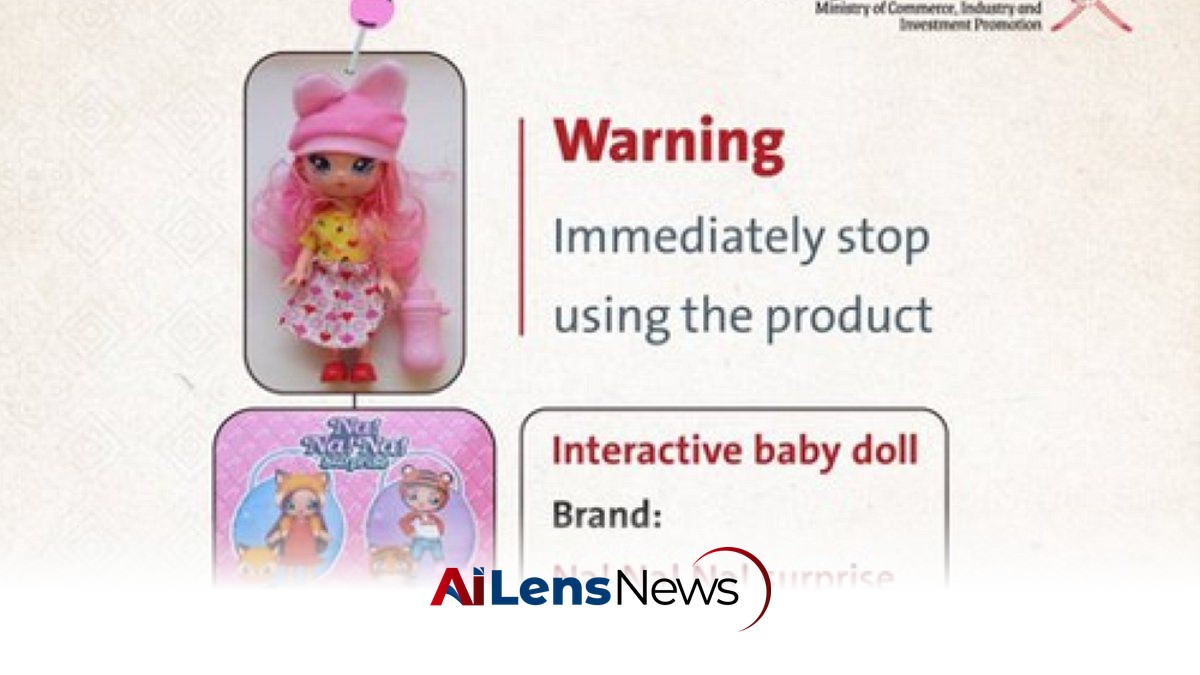


Oman's commerce ministry recalls 'Na! Na! Na! Surprise' doll due to hazardous chemicals, urging immediate cessation of use for children's safety.
Riyadh, Saudi Arabia Jul 26, 2026 ALN: Dubai: Oman's Ministry of Commerce, Industry and Investment Promotion has taken significant action by banning the sale and circulation of the "Na! Na! Na! Surprise" interactive baby doll. This decision was made after authorities identified potential health risks associated with the toy's chemical composition, raising concerns about the safety of products available in the market for children. The move highlights the ongoing challenges faced by regulators in ensuring that toys are safe for young users, a responsibility that is increasingly being taken seriously across the globe.
The "Na! Na! Na! Surprise" doll is known for its interactive features and colorful design, appealing to a wide range of children. The doll's design includes soft fabric and an assortment of accessories, which are intended to stimulate imaginative play. However, the ministry's consumer warning issued on Sunday emphasized the importance of child safety, urging the public to stop using the toy immediately. The warning specifically highlighted that the doll contains chemical compounds that may pose a risk to children's health and safety, a concern that resonates with many parents who are becoming more vigilant about the toys their children play with.
The affected product is identified as the "Na! Na! Na! Surprise" interactive baby doll, with Model No. 3435 and Serial No. 6991205071633. It was manufactured in China, a country that has been both praised and criticized for its manufacturing standards in the toy industry. While many toys produced in China meet international safety standards, instances of non-compliance have raised alarms in various countries. This particular incident serves as a reminder of the complexities involved in global manufacturing and the need for stringent oversight at all stages of production.
The ministry's warning followed Notification No. AJN-35, which was received through the GCC Ajel System. This system serves as the Gulf Cooperation Council's rapid alert mechanism for unsafe consumer products, allowing member states to communicate quickly about potentially hazardous goods. The collaborative approach among GCC countries highlights the importance of regional cooperation in ensuring consumer safety. Such systems facilitate swift action to protect consumers, demonstrating the effectiveness of shared resources and information among neighboring nations.
In light of the findings, the ministry has urged consumers to refrain from using the product and to adhere to official safety advisories regarding recalled or prohibited consumer goods. This proactive measure aims to protect children from potential harm and emphasizes the responsibility of manufacturers to ensure the safety of their products. The ministry's actions reflect a broader commitment to consumer protection and the enforcement of safety regulations that are designed to safeguard public health.
This ban on the "Na! Na! Na! Surprise" doll is part of a broader trend in the region, where authorities are increasingly vigilant about the safety of toys and products aimed at children. Other recent incidents in the Gulf region have included the recall of various products due to safety concerns. For instance, Saudi Arabia recently recalled baby bottles over potential choking risks, and Oman itself has dealt with recalls of food products, such as Godiva chocolate bars, due to undeclared allergens. These incidents underscore the importance of maintaining high safety standards across all consumer goods, particularly those intended for children, whose health and safety are paramount.
The implications of such recalls and bans extend beyond immediate consumer safety. They also reflect growing consumer awareness and demand for higher safety standards in products, particularly those designed for children. Parents are becoming more informed about the potential dangers associated with certain toys and are increasingly advocating for stricter regulations and oversight in the toy industry. This shift in consumer behavior is prompting manufacturers to take a more proactive stance in ensuring the safety and quality of their products, as they seek to maintain consumer trust and brand loyalty.
The toy industry is a significant sector globally, with millions of toys being sold each year. However, the safety of these products has come under scrutiny, especially with the rise of interactive toys that often incorporate electronic components and various materials. The presence of harmful chemicals in toys can lead to serious health issues, including hormonal disruptions and developmental problems in children. As a result, regulatory bodies worldwide are working diligently to establish and enforce safety standards that manufacturers must adhere to. These standards are essential in protecting children from exposure to hazardous substances and ensuring that toys are safe for play.
In addition to the health risks associated with the "Na! Na! Na! Surprise" doll, the situation underscores the importance of transparency in the manufacturing process. Parents are encouraged to look for safety certifications and to be aware of recalls in their region. Many countries have established consumer protection agencies that provide resources and information regarding product safety, allowing parents to make informed decisions. This increased awareness among consumers is leading to a more informed public that demands accountability from manufacturers and retailers alike.
Furthermore, the ban on this particular doll may lead to a reevaluation of the supply chain and manufacturing practices of similar products. Manufacturers may need to conduct thorough assessments of their materials and processes to ensure compliance with safety regulations. This could result in increased costs for companies as they invest in safer materials and more rigorous testing protocols. While these changes may pose challenges for manufacturers, they also present opportunities for innovation and the development of safer, more sustainable products that meet consumer expectations.
In conclusion, the recent ban on the "Na! Na! Na! Surprise" interactive baby doll in Oman serves as a critical reminder of the ongoing challenges in ensuring the safety of consumer products, especially those intended for children. As the global market for toys continues to evolve, it is essential for manufacturers, regulators, and consumers to work together to prioritize safety and health, ensuring that children can enjoy their toys without the risk of harm. The actions taken by Oman's Ministry of Commerce, Industry and Investment Promotion reflect a commitment to consumer safety and the proactive measures necessary to protect the most vulnerable members of society. Moving forward, it will be crucial for all stakeholders to remain vigilant and responsive to emerging safety concerns in the ever-changing landscape of the toy industry.
To learn more about the latest developments in Health & Public Safety, stay updated with our exclusive reports and analyses on AiLensNews.

