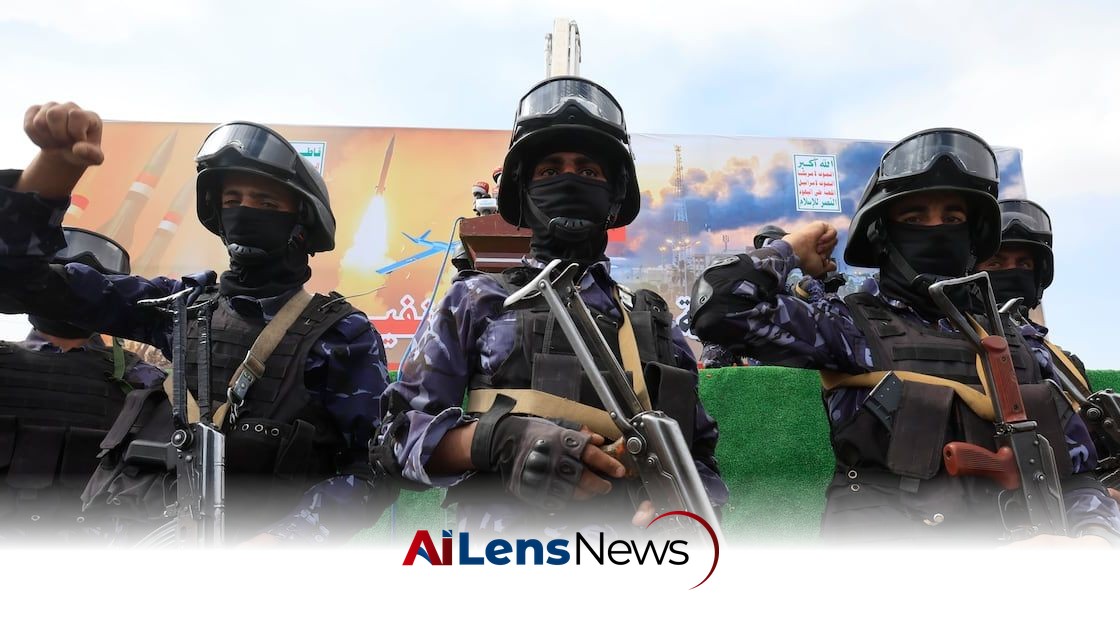


Yemen's Houthi rebels declare a maritime embargo against Saudi Arabia, escalating tensions in the Red Sea as US strikes continue against Iranian targets.
Riyadh, Saudi Arabia Jul 21, 2026 ALN: The ongoing conflict in Yemen has taken a significant turn as the Houthi rebels have announced a maritime embargo against Saudi Arabia. This decision raises concerns about the potential for further disruption to shipping routes in the Red Sea, an area that is critical for global trade, particularly for the transportation of oil and other goods. The Bab Al Mandeb Strait, which connects the Red Sea to the Gulf of Aden, is a crucial chokepoint through which a substantial portion of the world’s oil supply passes. The Houthis, who have been engaged in a protracted conflict with a Saudi-led coalition since 2015, have previously threatened maritime operations in this region, and their recent actions could escalate tensions further.
The implications of a maritime embargo are profound. In the past, threats from the Houthis have already led to a significant decline in Saudi oil exports. Reports indicate that crude loadings through the Bab Al Mandeb Strait have fallen by 36 percent in just two weeks due to these threats. This drop not only affects Saudi Arabia's economy but also has repercussions for global oil prices, which are sensitive to disruptions in supply. The Red Sea is a vital artery for oil shipments, and any prolonged disruption could lead to increased shipping costs and potential shortages in various markets.
Furthermore, the backdrop of this maritime embargo is the ongoing conflict between the United States and Iran, which has now entered its tenth night. The US Central Command has reported a series of targeted actions aimed at degrading Iran's maritime capabilities, including strikes on command centers and missile and drone sites. These military actions are part of a broader strategy to counter Iranian influence in the region, which the US perceives as a destabilizing force. Iran's response has included attacks on neighboring countries such as Kuwait and Jordan, further complicating the geopolitical landscape of the Middle East.
The Houthi rebels, officially known as Ansar Allah, have been fighting against the Saudi-led coalition since the coalition intervened in Yemen in March 2015. The conflict has resulted in a humanitarian crisis, with millions of Yemenis facing famine and lack of access to basic services. The Houthis, who are predominantly Zaidi Shia Muslims, have received varying degrees of support from Iran, which has fueled accusations from Saudi Arabia and the US that Iran is using the Houthis as proxies to expand its influence in the region. This dynamic complicates the already intricate web of alliances and enmities in the Middle East.
In addition to the military developments, there are significant political movements occurring in the region. In Lebanon, the US has announced that pilot zones for the Israeli military's withdrawal from southern Lebanon have begun. This development comes ahead of a scheduled visit by Lebanese President Joseph Aoun to the White House, where discussions on regional security and cooperation are likely to take place. The withdrawal of Israeli forces from southern Lebanon has been a contentious issue for decades, and any progress on this front could have implications for stability in the region.
Simultaneously, the US administration is exploring new initiatives related to the Israeli-Palestinian conflict. President Donald Trump's Board of Peace has approved a pilot project aimed at housing Palestinians in Gaza. This initiative appears to diverge from earlier plans that focused primarily on reconstruction efforts following years of conflict and blockade. The shift in strategy indicates a potential re-evaluation of how the US approaches the complex and multifaceted issues surrounding the Israeli-Palestinian conflict. The success of such projects could hinge on cooperation from both Israeli and Palestinian authorities, as well as the broader international community.
On another front, the United Arab Emirates (UAE) has achieved a notable milestone in its Emiratisation program, which aims to increase the employment of Emiratis in the private sector. Reports indicate that more than 190,000 Emiratis are now employed by private companies, successfully meeting the scheme's targets for the first half of the year. This initiative is part of a broader effort by the UAE government to diversify its economy away from oil dependency and to ensure that Emiratis are adequately represented in the workforce. The success of this program is crucial for the UAE's long-term economic sustainability and social cohesion, as it seeks to empower its citizens in various sectors.
The geopolitical implications of the Houthi maritime embargo, combined with the ongoing US-Iran tensions, underscore the precarious balance of power in the region. The Red Sea, as a vital shipping route, is already experiencing increased military presence from various nations, including the US, which has deployed naval assets to ensure the safety of commercial shipping. The potential for increased military engagement, economic disruptions, and shifts in diplomatic relations could have lasting effects on the region and beyond.
Moreover, the maritime embargo could serve as a tactical maneuver by the Houthis to gain leverage in negotiations or to draw attention to their cause amidst the broader conflicts in the region. Their ability to impact global oil supply and pricing could make them a more significant player in international politics, as countries dependent on stable oil prices may seek to engage with them to mitigate disruptions.
As the situation unfolds, the implications of these developments are far-reaching. The maritime embargo by the Houthis, coupled with the US-Iran tensions and regional political maneuvers, paints a complex picture of instability in the Middle East. Stakeholders, including global powers, regional actors, and local populations, will be closely monitoring the situation as it evolves, seeking to navigate the challenges and opportunities that arise from this intricate geopolitical landscape.
In conclusion, the announcement of a maritime embargo by Yemen's Houthi rebels is a critical development that underscores the fragility of security in the Red Sea and the broader Middle East. With the backdrop of ongoing US-Iran tensions, political shifts in Lebanon, and economic initiatives in the UAE, the region remains at a crossroads. The coming weeks and months will be pivotal in determining whether these tensions escalate further or if diplomatic efforts can pave the way for a more stable and cooperative future. The international community's response, particularly from major powers such as the US, Russia, and China, will also play a crucial role in shaping the trajectory of events in this volatile region.
To learn more about the latest developments in Crime & Law, stay updated with our exclusive reports and analyses on AiLensNews.

