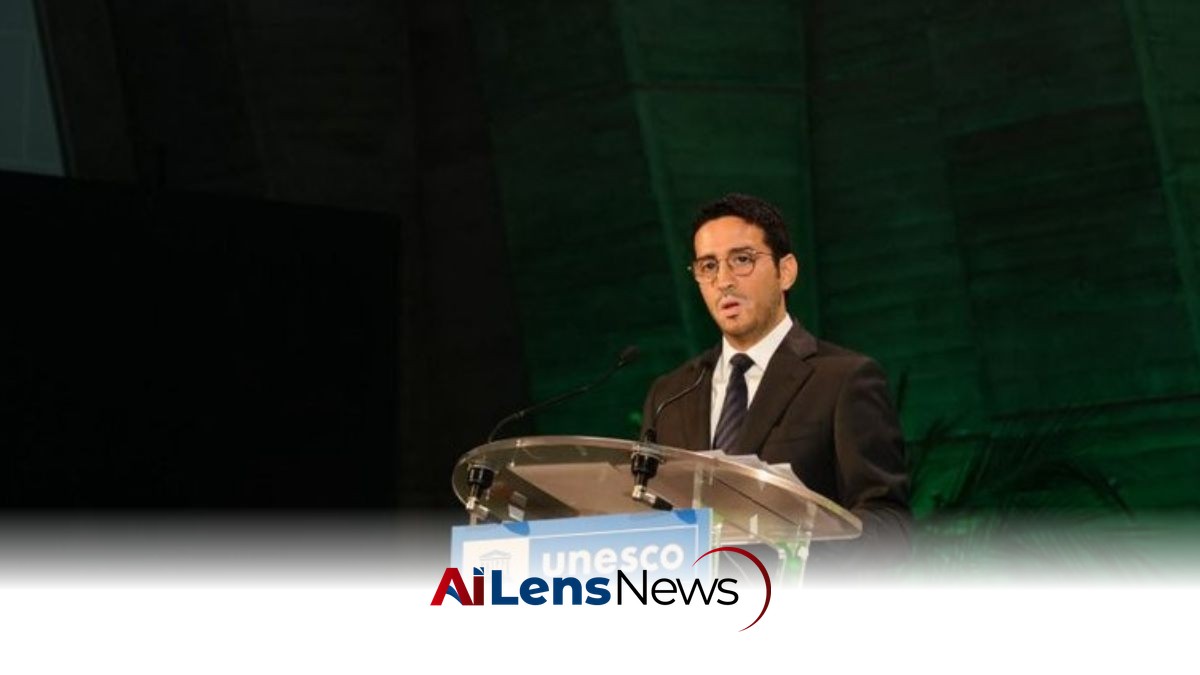


HE Dr Nasser bin Hamad Al Hinzab pays tribute to HH The Father Amir during a high-level dialogue at UNESCO, highlighting his contributions to education and development.
Doha, Qatar Jul 16, 2026 ALN: HE Dr Nasser bin Hamad Al Hinzab, Chairperson of the UNESCO Executive Board and Permanent Representative of the State of Qatar to UNESCO, expressed that the passing of HH The Father Amir, Sheikh Hamad bin Khalifa Al Thani, represents a significant loss to the international community due to his extensive contributions to development and education worldwide.
Speaking at the opening of the high-level ministerial dialogue titled ‘The Global Compact for Sciences – Sustainable Development: Commitments for 2030 and Beyond‘ at UNESCO headquarters in Paris, Dr Al Hinzab called on participants to observe a minute of silence in honor of HH The Father Amir and his humanitarian legacy. This moment of reflection not only commemorated the late leader's life but also served to remind attendees of the vital role that education and development play in shaping a better future for all.
Dr Al Hinzab emphasized that HH The Father Amir believed education was the cornerstone of human dignity, sustainable development, and lasting peace. His commitment to education was not just a personal belief but a guiding principle that influenced many of his policies during his reign. He made education, science, culture, and international cooperation key tools for empowering people and expanding opportunities, particularly in the Arab world and beyond. This vision was instrumental in transforming Qatar into a hub for educational excellence and cultural exchange.
Throughout his leadership, HH The Father Amir championed numerous initiatives aimed at expanding access to quality education. This included the establishment of various educational institutions and programs that focused on innovation and research. His efforts helped create a global legacy that continues to inspire the international community and support efforts to achieve the Sustainable Development Goals (SDGs), particularly those related to education, gender equality, and sustainable economic growth.
Dr Al Hinzab also praised the visionary leadership of HH The Father Amir, highlighting his belief in intellectual pluralism and the role of independent media in promoting dialogue, the exchange of ideas, and peace. This belief was reflected in the establishment of various media outlets and educational programs that encouraged critical thinking and open discourse, which are essential in today’s interconnected world.
The Chairperson of UNESCO’s Executive Board stated that the legacy of HH The Father Amir closely aligns with UNESCO’s mission of building peace through education, science, culture, and international cooperation. This alignment is particularly significant as UNESCO continues to address the pressing challenges of our time, such as climate change, inequality, and conflict. Notably, his contributions will remain an enduring part of the organization’s history, serving as a source of inspiration for future generations of leaders and educators.
The conference brought together ministers and senior officials from around the world to assess progress towards sustainable development goals, discuss scientific solutions to global challenges, and strengthen international cooperation in support of sustainable development. This gathering underscored the importance of collaborative efforts in tackling issues that transcend national borders, such as health crises, environmental degradation, and socioeconomic disparities.
Held under the theme ‘Science in Action: Charting a Sustainable and Equitable Future for All’, the event highlighted the importance of interdisciplinary research, open science, and closer links between science, policymaking, and society. The discussions at the conference were not only timely but essential, as the world grapples with the consequences of the COVID-19 pandemic and its impact on education and development.
In recent years, the global community has increasingly recognized the importance of integrating scientific research with policy decisions to ensure that solutions are not only effective but also equitable. This approach is particularly relevant in the context of the SDGs, which require a concerted effort from all sectors of society, including government, academia, and civil society, to achieve their ambitious targets by 2030.
The legacy of HH The Father Amir serves as a reminder of the critical role that leadership plays in fostering an environment conducive to learning, innovation, and collaboration. His unwavering commitment to education and development has left an indelible mark on Qatar and the broader international community, inspiring others to follow in his footsteps.
As the world moves forward, the principles championed by HH The Father Amir will continue to resonate, guiding efforts to create a more sustainable and just society. His vision for a world where education is accessible to all and where cultural exchange flourishes will remain a guiding light for policymakers, educators, and leaders around the globe.
In conclusion, the tribute paid to HH The Father Amir at the UNESCO conference not only honored his legacy but also reinforced the ongoing commitment of the international community to uphold the values he championed. As nations strive to meet the challenges of the 21st century, the importance of education, cooperation, and sustainable development will remain paramount, echoing the ideals that HH The Father Amir so passionately advocated throughout his life.
HH The Father Amir Sheikh Hamad bin Khalifa Al Thani's tenure as the ruler of Qatar lasted from 1995 until his abdication in 2013, during which he was pivotal in transforming Qatar into a modern state with a robust economy and a focus on education and culture. His initiatives included the establishment of Qatar University, the Qatar Foundation, and the Doha Film Institute, among others. These institutions have played a significant role in fostering a knowledge-based economy and promoting Qatar as a center for education and cultural dialogue in the region.
His efforts in education were not limited to Qatar alone; he also supported numerous educational initiatives across the Arab world and beyond. This included scholarships for students to study abroad, investments in educational technology, and partnerships with leading international universities. Such initiatives have helped elevate the standard of education in the region and provided countless opportunities for young people to pursue their academic and professional aspirations.
Moreover, HH The Father Amir's vision extended to the importance of cultural diplomacy and international cooperation. He recognized that soft power is a vital component of a country's influence on the global stage. By fostering cultural exchanges and promoting dialogue among different civilizations, he aimed to enhance mutual understanding and respect among nations. This approach has been particularly relevant in today's polarized world, where dialogue and cooperation are essential to address global challenges.
In the context of UNESCO's mission, the legacy of HH The Father Amir aligns closely with the organization's goals to promote peace through education, science, and culture. UNESCO has been at the forefront of advocating for education as a fundamental human right and a critical driver of sustainable development. The principles that guided HH The Father Amir's leadership resonate with UNESCO's commitment to ensuring inclusive and equitable quality education for all, as well as promoting lifelong learning opportunities.
As global challenges such as climate change, health crises, and social inequalities continue to pose significant threats, the importance of education, knowledge sharing, and international collaboration becomes even more critical. The initiatives and policies championed by HH The Father Amir serve as a reminder that visionary leadership can pave the way for transformative change, inspiring future leaders to prioritize education and development as cornerstones of their agendas.
In summary, the tribute to HH The Father Amir at the UNESCO conference not only highlighted his remarkable contributions but also served as a call to action for the international community to recommit to the principles of education, cooperation, and sustainable development. As the world looks to navigate the complexities of the 21st century, the ideals that HH The Father Amir stood for will continue to guide efforts towards creating a better future for all.
To learn more about the latest developments in World News & International Affairs, stay updated with our exclusive reports and analyses on AiLensNews.

