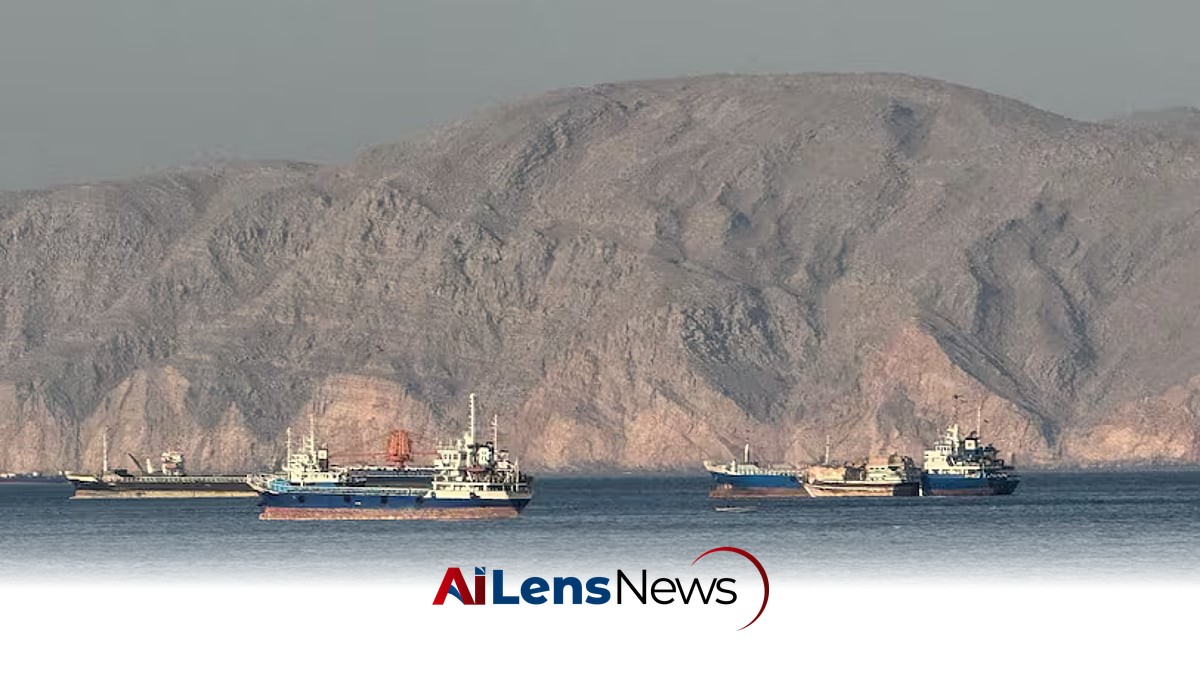


The UAE Ministry of Defence condemns Iranian missile strikes on two tankers in the Strait of Hormuz, resulting in one death and multiple injuries.
Doha, Qatar Jul 14, 2026 ALN: Abu Dhabi: The UAE Ministry of Defence announced that two national tankers, Mombasa and Al Bahiyah, were targeted by Iranian cruise missiles in the southern passage of the Strait of Hormuz, within Omani territorial waters. This incident marks a significant escalation in maritime tensions in a region that is already fraught with geopolitical challenges and conflicts.
The Strait of Hormuz is a vital waterway through which approximately one-fifth of the world's oil supply passes. It serves as a crucial transit point for tankers transporting oil and gas from the Gulf states to international markets. The strategic importance of this narrow strait has made it a focal point for regional and international tensions, particularly between Iran and its adversaries, including the United States and its Gulf allies. Control over this crucial passage has been a longstanding point of contention, with Iran often asserting its influence in the area as a means of projecting power and responding to perceived threats.
The attack resulted in the death of one crew member aboard the Mombasa, an Indian national, and injuries to eight others, including four who sustained serious injuries. The injured comprise six Indian nationals and two Ukrainian nationals. The casualty figures underscore the human cost of such military actions and raise concerns about the safety of maritime crews operating in these high-risk areas. The loss of life and injuries highlight the urgent need for enhanced safety protocols for commercial shipping in conflict-prone regions, as well as the importance of international cooperation to ensure the protection of maritime personnel.
The attack also caused material damage to both tankers due to fires that broke out on board. The fires have since been brought under control, but the incident highlights the vulnerabilities of commercial shipping in a region where military confrontations can have immediate and devastating effects. The damage to the vessels could result in significant financial losses and operational disruptions for the companies involved, as well as broader implications for global oil supply chains. Insurance premiums for shipping in the area are likely to rise, and shipping routes may be altered in response to the increased risks, further complicating the already intricate logistics of global trade.
The Ministry of Defence strongly condemned this blatant attack, describing it as a serious violation and a clear breach of international law that threatens the security and stability of the region. The condemnation reflects the UAE's stance on maintaining the rule of law and ensuring the safety of maritime navigation. The attack raises questions about the effectiveness of international maritime security measures and the need for a coordinated response to safeguard commercial shipping in the region. The international community's response will be crucial in determining whether such acts of aggression can be deterred in the future.
The Ministry emphasised that the State reserves its full right to respond to this escalation and to take all necessary measures to protect its territory, its people, and its residents, in a manner that safeguards its sovereignty, security, stability, national interests, and strategic assets. This statement indicates a potential shift in the UAE's military posture, as the country may consider a more proactive approach in responding to perceived threats from Iran. Historically, the UAE has been cautious in its military engagements, often opting for diplomatic solutions; however, the increasing frequency of attacks may compel a reevaluation of this strategy.
The Ministry further stated that it remains fully prepared and ready to deal with any threats, and that it is taking all necessary measures to respond firmly to any attempts to undermine the country's security and stability. This readiness to respond is significant, as it suggests that the UAE is willing to take military action if deemed necessary, which could further escalate tensions in the region. The potential for military confrontation raises concerns not only for regional stability but also for the safety of international shipping and the global economy.
The Ministry also urged the public to obtain information only from official sources and to refrain from circulating rumors or unverified information. This call for caution reflects the sensitivity of the situation and the potential for misinformation to exacerbate tensions. In a time of heightened alert, accurate communication is crucial to prevent panic and ensure public safety. The role of media and information dissemination during such crises cannot be understated, as the narrative surrounding the incident can shape public perception and influence diplomatic responses.
The incident comes against a backdrop of increasing hostilities between Iran and its regional rivals, particularly in the context of Iran's nuclear program and its influence in Iraq, Syria, and Lebanon. The Iranian government has been accused of using asymmetric warfare tactics, including targeting commercial shipping, to assert its influence and deter adversaries. This strategy poses a significant challenge for the international community, which must navigate the complexities of regional politics while ensuring the protection of vital maritime routes. The interplay of military and economic interests in the region complicates efforts to achieve a lasting peace and stability.
In recent months, there have been several incidents involving attacks on vessels in the Persian Gulf and surrounding waters, further straining relations between Iran and its neighbors. For instance, the UAE has previously condemned Iranian attacks on other vessels, including a recent hostile action targeting Qatar’s Al Rakeyyat vessel and the Saudi tanker Wadiyan in the Strait of Hormuz. These incidents indicate a troubling trend of maritime aggression that could destabilize the region further. The pattern of attacks suggests a calculated strategy by Iran to challenge the presence and influence of its adversaries in the Gulf, raising the stakes for all parties involved.
The United States has also been actively involved in monitoring and responding to threats in the Gulf region. U.S. officials have attributed responsibility for various attacks on ships in the Gulf of Oman to Iran, citing evidence of Iranian involvement in maritime security incidents. This ongoing conflict between the U.S. and Iran adds another layer of complexity to the situation, as both nations seek to protect their interests in the region while avoiding direct military confrontation. The U.S. has historically maintained a naval presence in the Gulf to deter Iranian aggression, but the effectiveness of this strategy is continually tested by Iran's provocative actions.
As the situation develops, the implications for global oil markets could be significant. Any disruption to shipping in the Strait of Hormuz has the potential to drive up oil prices and create uncertainty in energy markets worldwide. The international community, including major oil-importing nations, will be closely monitoring the developments to assess the potential impact on energy security and economic stability. Fluctuations in oil prices can have ripple effects throughout the global economy, influencing everything from inflation rates to economic growth projections.
In conclusion, the missile attack on the Mombasa and Al Bahiyah highlights the precarious nature of maritime security in the Gulf region. With tensions between Iran and its adversaries continuing to rise, the need for diplomatic solutions and enhanced security measures is more urgent than ever. The UAE's response to this incident will likely set the tone for future interactions in the region and could influence the broader geopolitical landscape in the Middle East. As stakeholders assess their options, the potential for both escalation and resolution remains a critical factor in shaping the future of maritime security and regional stability.
To learn more about the latest developments in World News & International Affairs, stay updated with our exclusive reports and analyses on AiLensNews.

