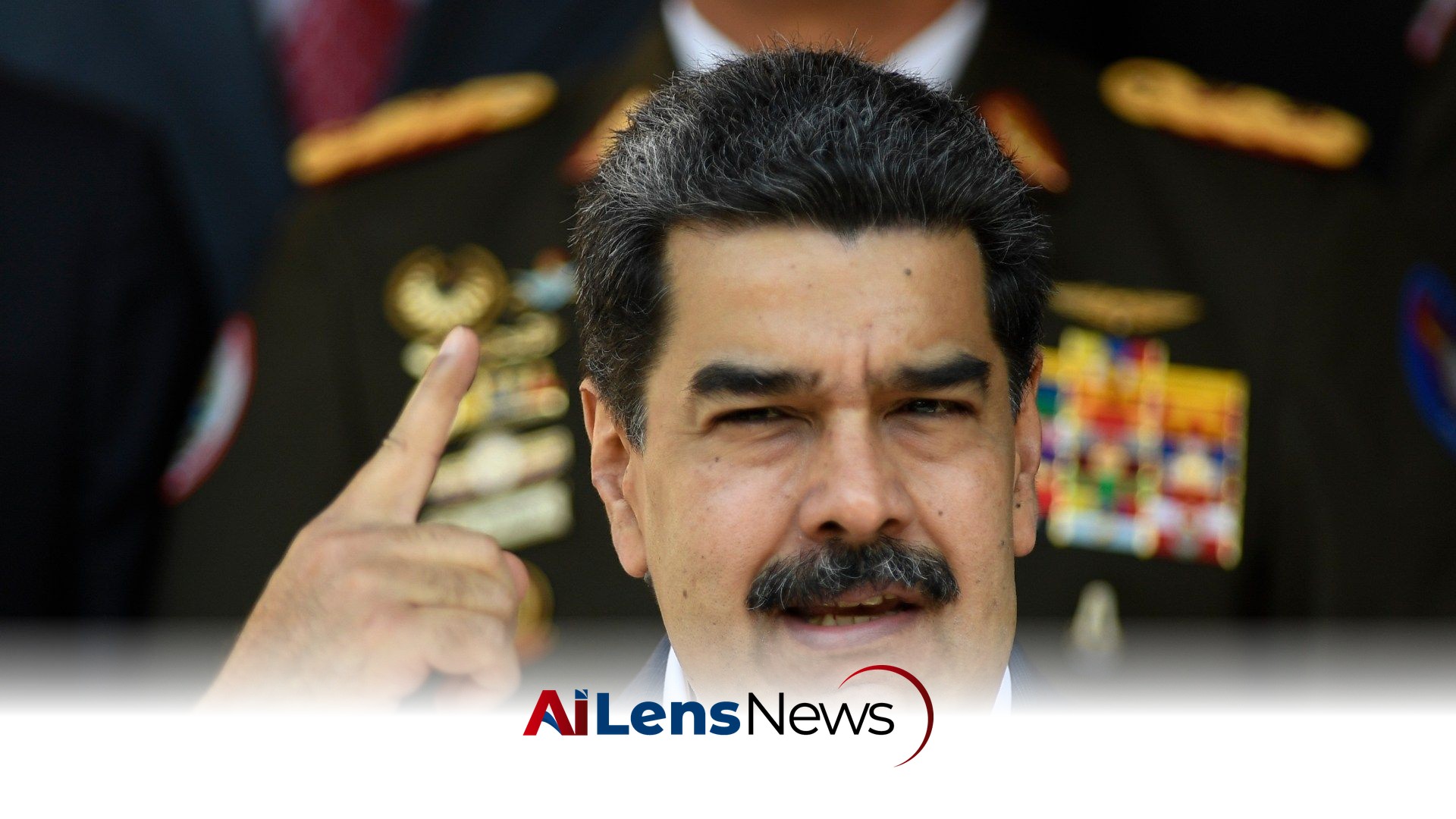


A US judge has scheduled a trial for former Venezuelan President Nicolas Maduro and his wife, Cilia Flores, on drug trafficking charges for June 1, 2027.
Doha, Qatar Jul 22, 2026 ALN: A United States judge has set a trial date for former Venezuelan President Nicolas Maduro and his wife Cilia Flores, both abducted from the South American country during a US military attack in January 2026. This event has not only significant legal implications but also broader geopolitical repercussions, as it reflects ongoing tensions between the United States and Venezuela. The case is emblematic of the complex interplay between domestic politics and international relations, particularly in a region marked by historical rivalries and conflicts.
Judge Alvin Hellerstein set a trial date on Wednesday for June 1, 2027. Both Maduro and Flores have pleaded not guilty to drug trafficking charges while denying the basic legitimacy of the trial. The legal proceedings are expected to be closely monitored, given the high-profile nature of the defendants and the contentious political climate surrounding their case. The allegations against them include serious charges that could have severe implications for their futures and the political dynamics within Venezuela.
Neither Maduro nor Flores spoke during the 15-minute court hearing, which was marked by the absence of any visible signs of remorse or concession from the couple. The administration of US President Donald Trump has justified its military raid on Caracas in January and its abduction of the couple, widely termed illegal by international legal scholars, by alleging that Maduro was part of a conspiracy to traffic cocaine to the US in his capacity as head of state. This narrative has been part of a broader strategy by the Trump administration to combat drug trafficking and assert influence in Latin America, a region that has long been a focal point of US foreign policy.
During his arraignment in January, Maduro proclaimed, "I am not guilty. I am a decent man, the constitutional president of my country." His assertion reflects not only a personal defense but also an attempt to rally support among his followers who view him as a legitimate leader despite the controversies surrounding his presidency. Maduro’s lawyer, Barry Pollack, has indicated that he expects to challenge the legality of the military raid to capture Maduro and bring him to the US for trial. Pollack stated on Wednesday that he would first challenge the case on grounds of sovereign immunity, which, if successful, would mean that Maduro no longer has to litigate the case.
The concept of sovereign immunity is rooted in international law, which generally protects heads of state from being prosecuted in foreign courts for actions taken while in office. This principle is designed to maintain diplomatic relations and prevent legal disputes from interfering with governmental functions. If the defense can successfully argue that Maduro's actions were those of a sovereign leader exercising his duties, it could set a significant precedent for how international law is applied in cases involving political leaders accused of serious crimes. Such a ruling could have far-reaching implications for how international justice is perceived and administered, particularly in politically sensitive cases.
Neither Maduro nor Flores has asked to be released on bail, and Judge Hellerstein set next year’s trial date at the request of attorneys from both sides. This decision underscores the seriousness of the charges against them and the potential consequences if they are found guilty. Maduro faces four counts, including “narco-terrorism” conspiracy and cocaine importation conspiracy, and could face life in prison if convicted. The gravity of these charges highlights the US government's commitment to addressing drug trafficking, particularly as it relates to national security concerns. The implications of a guilty verdict would extend beyond individual punishment, potentially affecting US-Venezuela relations and the broader geopolitical landscape in Latin America.
The Trump administration has often used concerns about drug trafficking to assert its influence in countries across Latin America, framing its actions as part of a broader war on drugs. This approach has been met with criticism from various quarters, including human rights organizations and international legal experts, who argue that military interventions and extraterritorial actions violate international law and undermine the sovereignty of nations. Critics contend that such actions can exacerbate tensions and lead to further instability in already volatile regions, raising questions about the effectiveness and morality of US foreign policy in Latin America.
The military operation that resulted in Maduro and Flores's abduction has been described by the Venezuelan authorities as a violation of their national sovereignty, with reports indicating that the attack killed 83 people. In contrast, the Trump administration has referred to the operation as a “surgical law enforcement operation,” suggesting that it was a targeted effort to capture individuals involved in serious criminal activities. This dichotomy in narratives illustrates the complexities of international relations and the differing perceptions of justice and legality in global politics. The framing of the operation raises critical questions about the ethics of military interventions and the potential for collateral damage in pursuit of political or legal objectives.
In the aftermath of Maduro’s abduction, the Venezuelan presidency has been filled by interim President Delcy Rodriguez, who has aligned the country more closely with US interests. Rodriguez's ascension to power marks a significant shift in Venezuela's political landscape, as she has been vocal in her support for reforms that align with US policies. This alignment could have far-reaching implications for Venezuela's domestic policies and its relationships with other nations in the region, particularly those that have historically been critical of US influence. The shift in leadership may also impact the dynamics of opposition movements within Venezuela, as political factions realign in response to the changing landscape.
The upcoming trial is expected to attract significant media attention, not only due to the high-profile nature of the defendants but also because of the implications it holds for US-Venezuela relations. The outcome of the trial could influence future diplomatic engagements and shape the narrative surrounding drug trafficking in the region. Furthermore, it may set a precedent for how similar cases are handled in the future, particularly those involving leaders accused of serious crimes while in office. The trial's proceedings may also serve as a platform for broader discussions about the legality and morality of international interventions in domestic politics.
As the trial date approaches, both legal experts and political analysts will be closely watching the developments in this case. The implications of the trial extend beyond the courtroom, touching on issues of international law, human rights, and the ongoing struggle for power and legitimacy in Venezuela. The geopolitical stakes are high, and the resolution of this case could have lasting effects on the political landscape in both Venezuela and the broader Latin American region. The trial may also reignite debates about the role of the US in Latin America, the effectiveness of its foreign policy, and the impact of its actions on regional stability and governance.
To learn more about the latest developments in Crime & Law, stay updated with our exclusive reports and analyses on AiLensNews.

