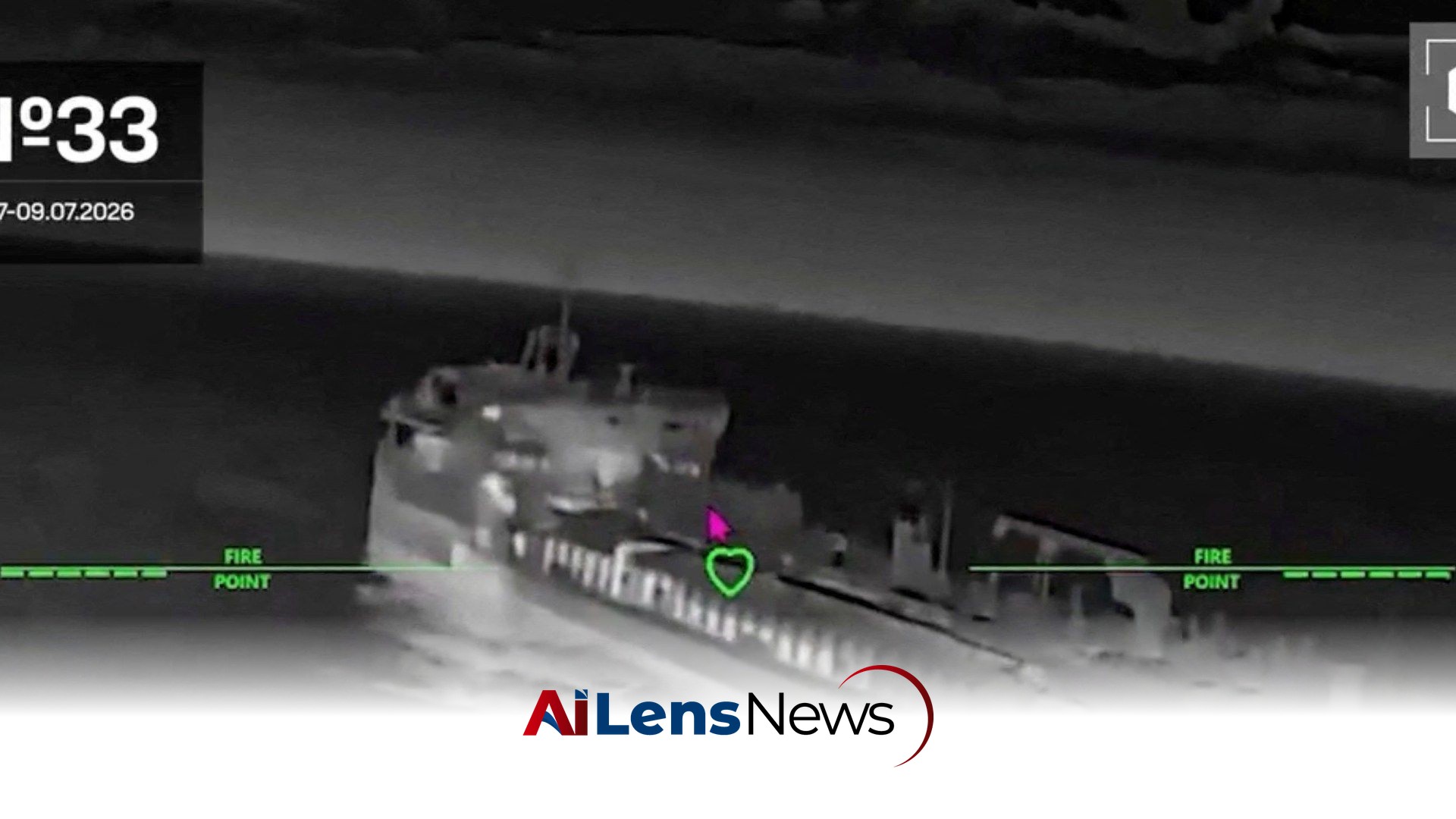


In response to Ukrainian drone attacks on its vessels, Russia is set to reroute grain shipments from the Sea of Azov, claiming the domestic food supply remains unaffected.
Doha, Qatar Jul 14, 2026 ALN: In a significant development in the ongoing conflict between Russia and Ukraine, Russia has announced plans to reroute its grain shipments from the Sea of Azov. This decision comes in the wake of recent Ukrainian drone strikes that targeted Russian vessels operating in the region. According to Ukrainian military commander Robert Brovdi, these drone attacks resulted in the damage of 11 Russian vessels overnight, which included a mix of tankers, dry cargo vessels, and a tugboat. This escalation in hostilities has raised concerns about the stability of grain exports from the region and the implications for global food supply chains.
Russia's Ministry of Agriculture has stated that it is exploring “alternative shipping routes” and may consider redirecting cargo “to other modes of transport”. This move is part of Russia's broader strategy to mitigate the impact of the ongoing conflict on its agricultural exports, which are vital for both domestic consumption and international markets. The ministry has reassured that the situation in the Azov Sea will not adversely affect the domestic food supply or Russia's export capabilities. However, the effectiveness of these reassurances remains to be seen as the conflict continues to evolve.
The implications of these developments are multifaceted. For Russia, maintaining a stable grain export system is crucial, especially given the country’s position as one of the world’s leading grain producers. The reassurances from the Ministry of Agriculture are intended to calm both domestic markets and international buyers who may be concerned about the reliability of Russian grain supplies. However, the potential for further military action could disrupt shipping routes and lead to increased costs and delays, affecting the overall market.
Russia's grain exports are essential not only for its economy but also for global food security. The country is a major exporter of wheat, barley, and corn, with significant shipments going to countries in Africa, the Middle East, and parts of Asia. Disruptions to these exports could lead to increased food prices globally, particularly in regions heavily reliant on Russian grain. The ongoing conflict has already strained supply chains, and any further escalation could exacerbate food insecurity in vulnerable regions.
According to Brovdi, the recent drone strikes have significantly escalated the conflict, with a total of 116 Russian vessels reportedly struck over the past nine days. This level of sustained attack indicates a strategic shift in Ukraine’s military operations, focusing on crippling Russian logistical capabilities at sea. The types of vessels targeted suggest that Ukraine is not only aiming to disrupt military operations but also to impact Russia's economic interests directly.
The use of drones in these operations highlights a modern approach to warfare, where technology plays a critical role in achieving strategic objectives. The effectiveness of drone strikes in targeting naval assets underscores the evolving nature of military engagements and the increasing reliance on unmanned systems in conflict. This tactic may encourage further innovation and adaptation in military strategies by both sides as they seek to gain the upper hand.
In response to these attacks, Russian Foreign Minister Sergei Lavrov condemned Ukraine's actions, labeling them as “acts of terrorism.” Lavrov's comments reflect a broader narrative within the Russian government, which seeks to frame Ukraine's military actions as illegitimate and harmful not only to Russian interests but also to global stability. He characterized the strikes as a form of terrorism that serves no constructive purpose, arguing that they are intended solely to cause damage and instill fear.
The recent attacks on Russian vessels coincide with a broader escalation in hostilities, particularly as Ukraine has intensified its long-range strikes on Russian oil refineries and energy infrastructure. These strikes have contributed to a growing fuel crisis in Russia, prompting the government to impose bans on certain fuel exports. The situation underscores the interconnectedness of military actions and economic repercussions, as both nations seek to undermine each other's capabilities.
Russia's Ministry of Defence has reported that its air defenses intercepted a significant number of Ukrainian drones, indicating that both sides are actively engaged in aerial warfare. Reports of falling debris from intercepted drones causing injuries and damage to civilian infrastructure highlight the risks faced by non-combatants in conflict zones. The attack on the Afipsky oil refinery, which resulted in a fire, exemplifies the vulnerabilities of critical infrastructure in both countries.
In addition to the strikes on Russian oil facilities, Ukrainian forces have also targeted fuel storage facilities in the port of Yuzhny, demonstrating a strategic focus on disrupting the logistical capabilities of Russian military operations. Ukrainian military officials reported that their forces successfully shot down several missiles and drones, suggesting a robust defensive posture amid the heightened tensions.
The ongoing conflict and the targeted strikes on oil refineries have led to a significant fuel crisis in Russia, exacerbated by a global surge in energy prices. The Kremlin's response to this crisis has included bans on fuel exports, a move that reflects the urgency of the situation. These measures are likely to have broader implications for both the Russian economy and global energy markets, as Russia is a major player in the energy sector.
As the situation continues to develop, the potential for further escalation remains high. The interplay between military actions and economic consequences will likely shape the strategies of both nations in the coming weeks. The international community is closely monitoring these developments, as any significant disruption in grain exports or energy supplies could have far-reaching effects on global food security and energy stability.
The ramifications of these military engagements extend beyond immediate conflict zones, affecting global markets and international relations. Countries reliant on Russian grain may seek alternative suppliers, potentially leading to shifts in trade patterns. Similarly, disruptions in energy supplies could prompt nations to reassess their energy strategies, particularly in light of existing sanctions and geopolitical tensions.
In conclusion, the conflict between Russia and Ukraine is entering a new phase marked by increased military engagement and economic repercussions. The decision to reroute grain exports from the Sea of Azov is a direct response to the ongoing hostilities and reflects the broader challenges both nations face in sustaining their economic interests amid war. As both sides continue to engage in military operations, the implications for global markets and regional stability will be significant and warrant careful observation. The situation remains fluid, and the potential for further escalation could alter the dynamics of the conflict in unpredictable ways, making it imperative for stakeholders to remain vigilant in their assessments and responses.
To learn more about the latest developments in World News & International Affairs, stay updated with our exclusive reports and analyses on AiLensNews.

