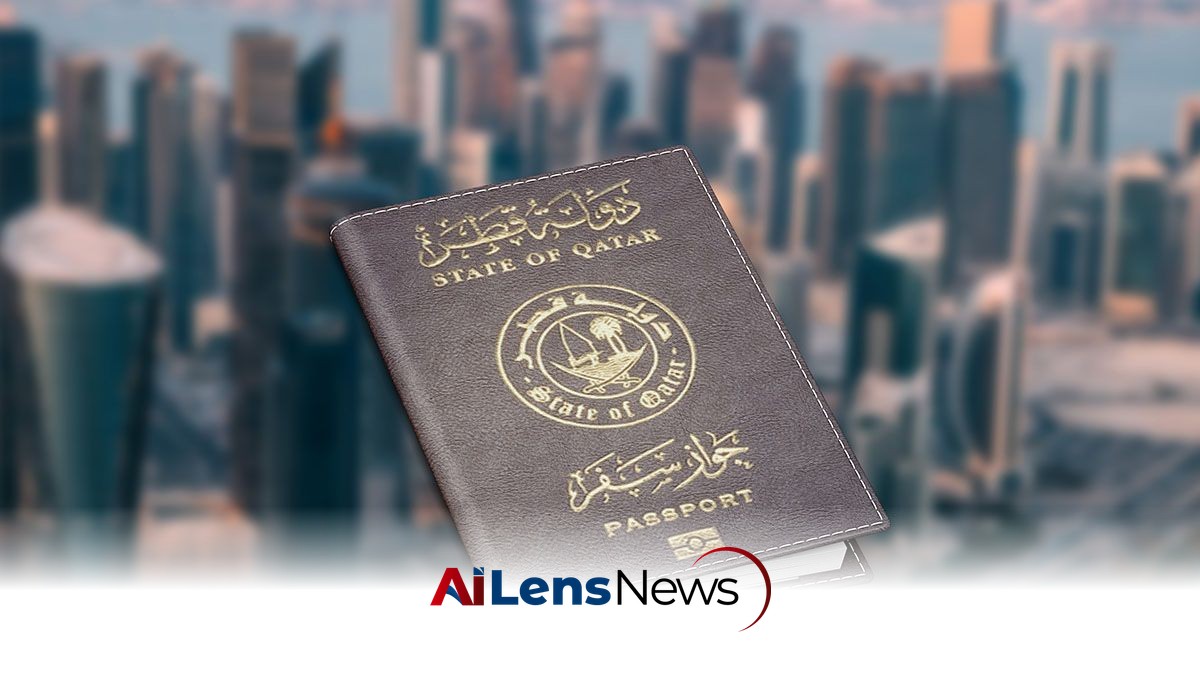


Qatar's passport ranks 48th globally, offering access to 112 destinations, according to the July 2026 Henley Passport Index.
Doha, Qatar Jul 23, 2026 ALN: Qatar’s passport has ranked 48ᵗʰ globally and second in the Gulf region in the July 2026 Henley Passport Index.
According to the latest ranking, Qatari passport holders enjoy visa-free or visa-on-arrival access to 112 destinations worldwide, including countries within Europe’s Schengen Area. This ranking is significant as it reflects not only the strength of the Qatari passport but also the growing global mobility enjoyed by its citizens. The ability to travel freely across borders is increasingly seen as a measure of a country’s diplomatic relations and economic standing.
The Henley Passport Index noted that the average passport now provides visa-free access to 108 destinations, compared with 58 destinations when the index was first launched 20 years ago. This increase emphasizes a broader trend in international relations and globalization, where countries are more willing to enter into agreements that facilitate easier travel for their citizens. The growth in passport strength globally can be attributed to improved diplomatic relations, economic partnerships, and various bilateral agreements that countries have established over the years.
Singapore retained its position as the world’s most powerful passport, providing access to 192 destinations. The United Arab Emirates ranked among the world’s top performers, sharing second place with Japan and South Korea, with access to 188 destinations. The performance of these countries highlights their strong diplomatic ties and the effectiveness of their foreign policy strategies, which have allowed them to negotiate favorable travel agreements.
Singapore’s position, in particular, is a testament to its status as a global financial hub and its emphasis on maintaining robust international relations. The country's government has invested heavily in diplomacy, trade, and tourism, which has contributed to its passport's strength.
Among GCC countries, the rankings were:
This ranking places Qatar in a favorable position in the Gulf Cooperation Council (GCC) region, where it follows the United Arab Emirates, a country that has invested significantly in its global standing and international relations. The rankings illustrate a competitive landscape in the GCC, where nations are vying not only for economic dominance but also for enhanced international mobility for their citizens.
Qatar has made considerable strides in enhancing its global standing, particularly following its successful hosting of the FIFA World Cup in 2022, which brought international attention and showcased its infrastructure and hospitality. The event likely played a role in strengthening Qatar's diplomatic relations, further enhancing the value of its passport.
The Henley Passport Index is based on Timatic data from the International Air Transport Association (IATA) and compares 199 passports across 227 travel destinations worldwide. This methodology ensures that the rankings are comprehensive and reflect the current state of international travel, taking into account changes in visa policies and global mobility trends.
As countries continue to navigate the complexities of international relations, the strength of a passport can be seen as an indicator of a nation's diplomatic effectiveness and its ability to foster positive relationships with other countries. The implications of these rankings extend beyond mere travel convenience; they can also impact tourism, business opportunities, and international investment.
For Qatar, maintaining a strong passport ranking is crucial for attracting tourists and investors. As the country diversifies its economy away from oil dependency, the ability to facilitate travel for business and leisure is increasingly important. A strong passport can enhance Qatar's appeal as a destination for international conferences, exhibitions, and tourism, which are vital for its economic growth.
Furthermore, the rankings can influence public perception and national pride. Citizens often take pride in the strength of their passport, as it reflects their country's standing on the global stage. In Qatar, the government has actively promoted its national identity and global presence, and a favorable passport ranking contributes to this narrative.
In conclusion, Qatar's ranking of 48ᵗʰ globally in the Henley Passport Index underscores its growing international presence and the importance of diplomatic relations in enhancing global mobility for its citizens. As the world becomes increasingly interconnected, the implications of passport strength will continue to evolve, affecting not only travel but also economic opportunities and international relations.
To provide additional context, the Henley Passport Index is one of the most trusted resources for passport rankings, established in 2006. It serves as a valuable tool for understanding the global landscape of travel freedom. The index is updated quarterly, reflecting changes in visa regulations and international agreements. Such updates are crucial as countries adapt their immigration policies in response to geopolitical shifts, security concerns, and evolving economic conditions.
In recent years, the importance of passport strength has been magnified by events such as the COVID-19 pandemic, which brought unprecedented changes to international travel. Countries that were able to adapt quickly and establish safe travel corridors have seen their passports gain strength relative to others. This adaptability is often a reflection of a country's governance, public health response, and international cooperation.
Moreover, as the world moves towards a more interconnected future, the significance of global mobility will likely continue to rise. The ability to travel freely is not only a matter of convenience but also a fundamental aspect of personal freedom and economic opportunity. For many individuals, especially those in developing nations, a strong passport can open doors to education, employment, and cultural exchange that might otherwise remain closed.
In summary, Qatar's position in the Henley Passport Index is a testament to its diplomatic efforts and the importance of international relations in the modern world. As countries continue to navigate the complexities of global mobility, the implications of passport strength will be felt across various sectors, influencing everything from tourism to international business and investment strategies.
To learn more about the latest developments in Crime & Law, stay updated with our exclusive reports and analyses on AiLensNews.

