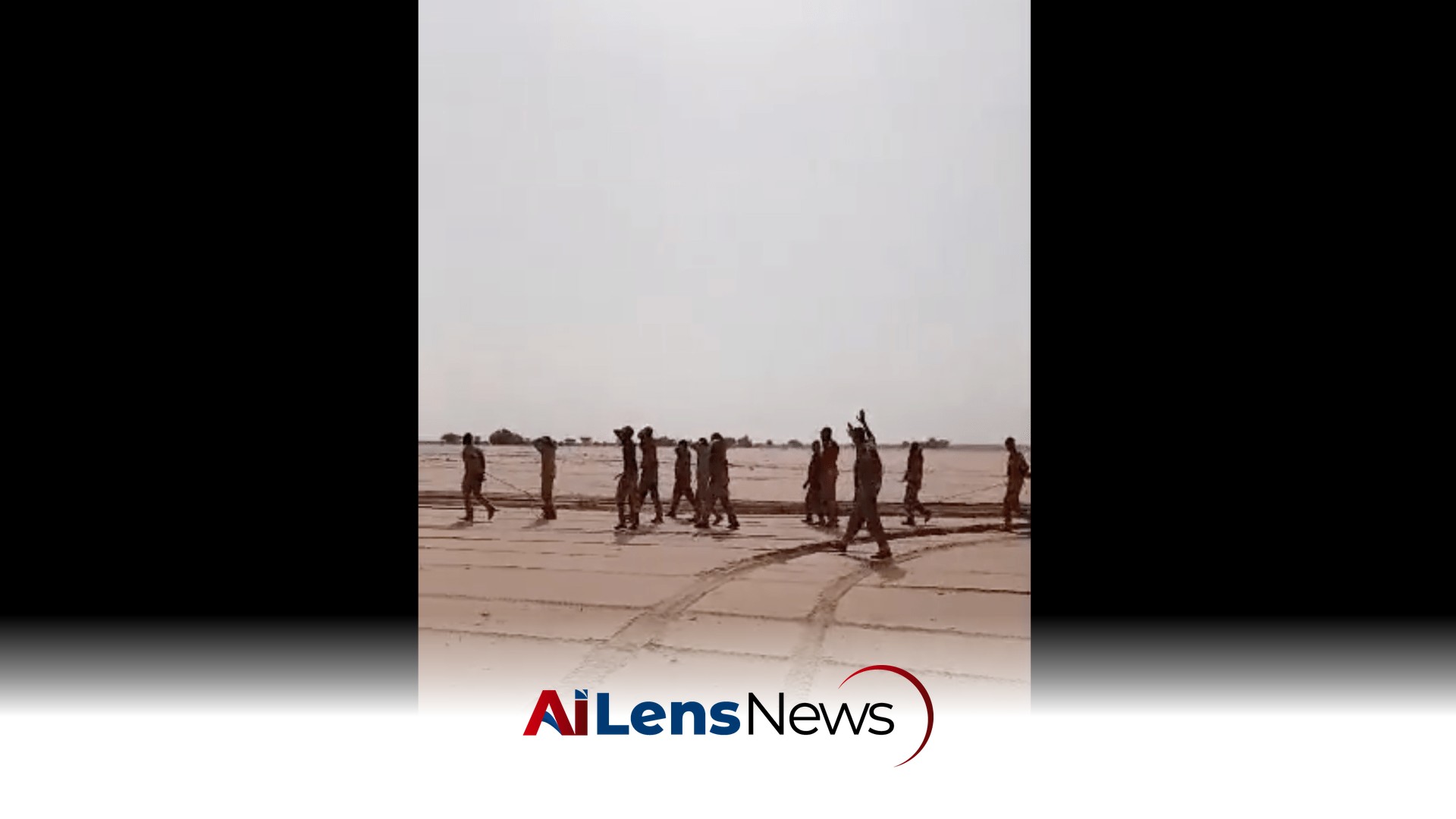


A joint convoy of the Malian army and Russia's Africa Corps was ambushed near Anefis, resulting in the deaths of at least 50 soldiers.
Doha, Qatar Jul 19, 2026 ALN: In a tragic incident in northern Mali, at least 50 Malian soldiers were killed following an ambush on a military convoy. The convoy, comprised of both the Malian army and personnel from Russia's Africa Corps, was targeted near Anefis, a region that has seen escalating violence in recent months. This assault not only represents a significant loss of life for the Malian military but also underscores the persistent instability that has plagued the region for years.
The attack has been attributed to Tuareg separatists and fighters linked to al Qaeda. Eyewitness accounts and footage from the scene reveal the aftermath of the ambush, showcasing captured soldiers, destroyed military vehicles, and numerous bodies scattered across the area. Such scenes are becoming increasingly common in Mali, where armed groups operate with relative impunity, leveraging the porous borders and the rugged terrain of the Sahara Desert to their advantage.
This ambush highlights the ongoing instability in Mali, where various armed groups have been vying for control. The Tuareg separatists, who have long sought greater autonomy in northern Mali, have intensified their operations in recent years, often collaborating with extremist factions. The Tuareg people, a nomadic ethnic group, have historically struggled for recognition and rights in a nation that has frequently marginalized them. Their grievances date back decades and have been exacerbated by political and economic neglect from the central government in Bamako.
The roots of the current conflict can be traced back to the 2012 rebellion led by Tuareg separatists, which was subsequently hijacked by Islamist extremist groups. Following a coup in the Malian capital, Bamako, the government lost control over the northern regions, leading to a power vacuum that various armed groups rushed to fill. The situation further deteriorated with the intervention of international forces, including French troops, who aimed to combat the growing jihadist threat. Despite these efforts, the security situation has continued to worsen, with attacks on military and civilian targets becoming increasingly frequent.
The involvement of foreign military forces, including Russia's Africa Corps, has been a controversial aspect of Mali's security strategy. While the Malian government has welcomed this support, it raises questions about the long-term implications for sovereignty and the effectiveness of such partnerships. Critics argue that reliance on foreign mercenaries may not address the underlying issues driving the conflict, such as poverty, lack of governance, and social inequalities. Furthermore, the presence of foreign troops can sometimes exacerbate local grievances, as communities may view them as occupiers rather than allies.
The Malian government has condemned the attack, calling it a direct assault on the nation's sovereignty. This incident raises significant concerns about the effectiveness of the military's operations in the region and the increasing influence of foreign military support. The response from the government may include calls for increased military action against the Tuareg and extremist groups, but such measures risk further entrenching the cycle of violence and retaliation.
Internationally, this incident has drawn attention to the fragile security landscape in Mali and the broader Sahel region. The Sahel has become a hotspot for jihadist activity, with various groups exploiting local grievances and the absence of effective governance. The United Nations and various non-governmental organizations have been vocal about the need for comprehensive peacebuilding efforts that address the root causes of the conflict, rather than merely focusing on military solutions.
The international community is urged to pay close attention to Mali's security challenges, which could have broader implications for regional stability in West Africa. Neighboring countries are also at risk of spillover violence, as armed groups may seek to expand their operations across borders. The situation is further complicated by the presence of organized crime, human trafficking, and smuggling networks that thrive in the chaos. The porous borders of Mali make it a conduit for various illegal activities, which can further destabilize the region.
As the situation unfolds, it is crucial for the Malian government to engage in dialogue with various stakeholders, including Tuareg representatives, to seek a peaceful resolution to the conflict. Previous attempts at peace agreements have often faltered due to mistrust and the lack of genuine commitment from all parties involved. A sustainable solution will require addressing the socio-economic disparities that fuel discontent among marginalized communities. This involves not only political dialogue but also initiatives that promote economic development, education, and social inclusion for the Tuareg and other minority groups.
The ambush on the military convoy serves as a stark reminder of the volatile security landscape in Mali. With over 50 soldiers killed, the incident underscores the urgent need for comprehensive strategies to address the root causes of conflict and enhance the effectiveness of military operations against extremist groups. Without a concerted effort to foster dialogue, promote development, and strengthen governance, Mali risks descending further into chaos, with devastating consequences for its people and the region as a whole.
In summary, the ambush not only represents a tragic loss of life but also highlights the complexities of the conflict in Mali. It reflects the ongoing struggle between state forces and armed groups, the challenges posed by foreign military involvement, and the urgent need for a holistic approach to peace and security in the region. The international community must remain engaged and supportive of efforts to stabilize Mali and address the broader challenges facing the Sahel, ensuring that the lessons learned from this tragic event inform future strategies for peace and security.
Moreover, the ambush serves as a crucial reminder of the need for a multi-faceted approach to conflict resolution in Mali. This includes not only military responses but also diplomatic efforts, economic development programs, and initiatives aimed at fostering social cohesion among diverse ethnic groups. Only by addressing the underlying grievances that fuel the conflict can Mali hope to achieve lasting peace and stability in the region.
To learn more about the latest developments in World News & International Affairs, stay updated with our exclusive reports and analyses on AiLensNews.

