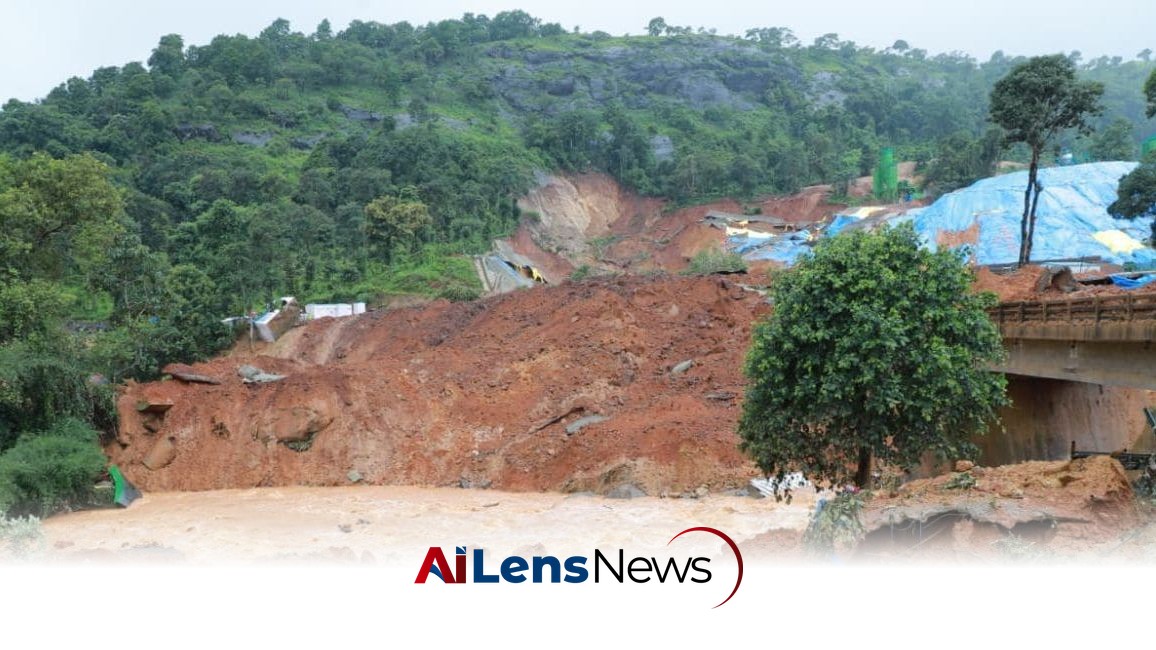


Following a tragic landslip at the Kalladi tunnel site in Wayanad, the Kerala High Court has mandated hazard assessments at similar infrastructure projects across the state. The July 7 incident resulted in eight fatalities, prompting the court to emphasize the need for thorough inspections by the State Disaster Management Authority (SDMA).
Doha, Qatar Jul 24, 2026 ALN: Kochi: The Kerala High Court on Friday orally directed the state government to conduct hazard assessments at all ongoing infrastructure projects with terrain similar to the Kalladi tunnel site in Wayanad, where a landslip on July 7 claimed eight lives. This directive comes in the wake of increasing concerns about the safety of infrastructure projects in hilly and vulnerable regions, particularly in light of the tragic events surrounding the Wayanad landslide.
The landslide incident has raised alarms not only among local residents but also within governmental and judicial circles, leading to a proactive approach from the judiciary to address potential risks associated with similar projects across the state. The court's directive is part of a broader initiative to enhance disaster management protocols and ensure that infrastructure development does not compromise the safety and well-being of communities living in geologically sensitive areas.
The July 7 landslip occurred at the construction site of the Kalladi tunnel project, also known as the Anakkampoyil-Meppadi tunnel project, which is being constructed to improve connectivity between Wayanad and Kozhikode districts. This project, like many others in Kerala, is crucial for enhancing transportation links and economic development in the region. However, the geological challenges posed by the Western Ghats, a UNESCO World Heritage site, necessitate careful planning and execution to mitigate risks associated with landslides and other natural disasters.
During Friday's hearing, Advocate General K Jaju Babu sought 10 days' time to file the State government's response to the report submitted by amicus curiae and senior advocate Ranjith Thampan. The report stated that the disaster was "foreseen," indicating that there may have been prior warnings or indications of the potential for such a catastrophic event. This assertion raises critical questions about the adequacy of risk assessments conducted prior to the commencement of construction and whether appropriate measures were in place to prevent such tragedies.
The court accepted the request and granted the State 10 days to file its affidavit. The matter has been posted for further hearing on July 27. This timeline allows the government to prepare a comprehensive response, which is essential for ensuring transparency and accountability in the management of infrastructure projects. The court's insistence on a thorough examination of other potentially vulnerable sites underscores the urgency of addressing safety concerns in the context of ongoing development efforts.
In a previous ruling, the High Court had directed the State government to ensure the immediate disbursal of ex gratia compensation to the victims and bear the hospitalization and treatment expenses of those injured in the landslip. This decision reflects the court's commitment to providing immediate relief to affected families and individuals, recognizing the devastating impact of such disasters on local communities. The financial support is a crucial step in helping victims cope with the aftermath of the tragedy, which has left many families in mourning and struggling to rebuild their lives.
The implications of the court's order extend beyond immediate safety audits. By calling for hazard assessments at other infrastructure projects, the High Court is advocating for a systemic change in how the state approaches disaster management and infrastructure development. This could lead to the establishment of more stringent safety protocols, improved geological assessments, and enhanced training for engineers and construction workers involved in projects in high-risk areas.
Moreover, the call for comprehensive hazard assessments reflects a growing recognition of the need for sustainable development practices that prioritize environmental safety and community welfare. As Kerala continues to grapple with the challenges posed by climate change, including increased rainfall and landslide risks, the importance of integrating disaster risk reduction strategies into infrastructure planning becomes increasingly clear.
In recent years, Kerala has experienced a series of natural disasters, including devastating floods and landslides, which have prompted the government and civil society to reevaluate their approaches to disaster management. The Wayanad landslip is a stark reminder of the vulnerabilities faced by communities living in ecologically sensitive regions, and the need for proactive measures to mitigate such risks is more pressing than ever.
As the court proceedings unfold, stakeholders from various sectors, including government agencies, environmental organizations, and community representatives, will likely engage in discussions on how to improve disaster preparedness and response mechanisms. The outcome of this case could set a precedent for future infrastructure projects in Kerala and beyond, emphasizing the critical need for safety and environmental considerations in development planning.
In conclusion, the Kerala High Court's directive for safety audits of tunnel projects following the tragic landslip in Wayanad represents a significant step towards enhancing disaster management practices in the state. The court's proactive stance highlights the importance of addressing safety concerns in infrastructure development, particularly in vulnerable regions. As the state prepares to respond to the court's order, the focus will remain on ensuring that lessons are learned from this disaster to prevent similar incidents in the future, ultimately fostering a safer environment for all residents of Kerala.
To understand the broader implications of the court's directive, it is essential to consider the geographical and climatic context of Kerala. The state is characterized by its diverse topography, which includes coastal areas, hills, and plains, making it susceptible to various natural disasters. The Western Ghats, which run parallel to the western coast of India, are not only a biodiversity hotspot but also a region prone to landslides, especially during the monsoon season when heavy rainfall can destabilize slopes.
Historically, Kerala has faced numerous challenges related to natural disasters, including catastrophic floods in 2018 that led to widespread devastation. These events have underscored the need for robust disaster management frameworks and have prompted calls for more stringent regulations governing construction in high-risk zones. The recent landslip in Wayanad serves as a stark reminder of the ongoing vulnerabilities that communities face and the necessity of implementing effective safety measures.
In light of the court's order, the state government may need to revisit its existing policies and practices related to infrastructure development. This could involve conducting comprehensive geological surveys before initiating projects, ensuring that construction techniques are adapted to local conditions, and establishing emergency response plans tailored to specific risks associated with different areas. Furthermore, collaboration with experts in geology, environmental science, and disaster management will be crucial in formulating effective strategies that prioritize public safety.
The involvement of community stakeholders in this process is also vital. Engaging local residents in discussions about potential risks and safety measures can foster a sense of ownership and responsibility towards disaster preparedness. Community awareness programs can educate residents about the signs of potential landslides and the importance of reporting any unusual changes in their environment to authorities.
As the Kerala High Court continues to scrutinize the state's response to the Wayanad landslip, the focus will likely remain on ensuring that lessons learned from this tragedy are translated into actionable policies that enhance the safety of infrastructure projects. The court's insistence on thorough hazard assessments could pave the way for a more resilient infrastructure framework that not only safeguards lives but also supports sustainable development in the region.
In conclusion, the tragic events surrounding the Wayanad landslip have catalyzed a critical examination of infrastructure safety in Kerala. The Kerala High Court's directive for safety audits is a significant step towards ensuring that development projects are conducted with the utmost regard for public safety and environmental sustainability. As the state grapples with the challenges posed by natural disasters, the importance of integrating comprehensive risk assessments and community engagement into infrastructure planning cannot be overstated. The ongoing court proceedings and subsequent government actions will be closely watched, as they hold the potential to reshape the future of infrastructure development in Kerala, making it safer and more resilient for generations to come.
To learn more about the latest developments in Crime & Law, stay updated with our exclusive reports and analyses on AiLensNews.

