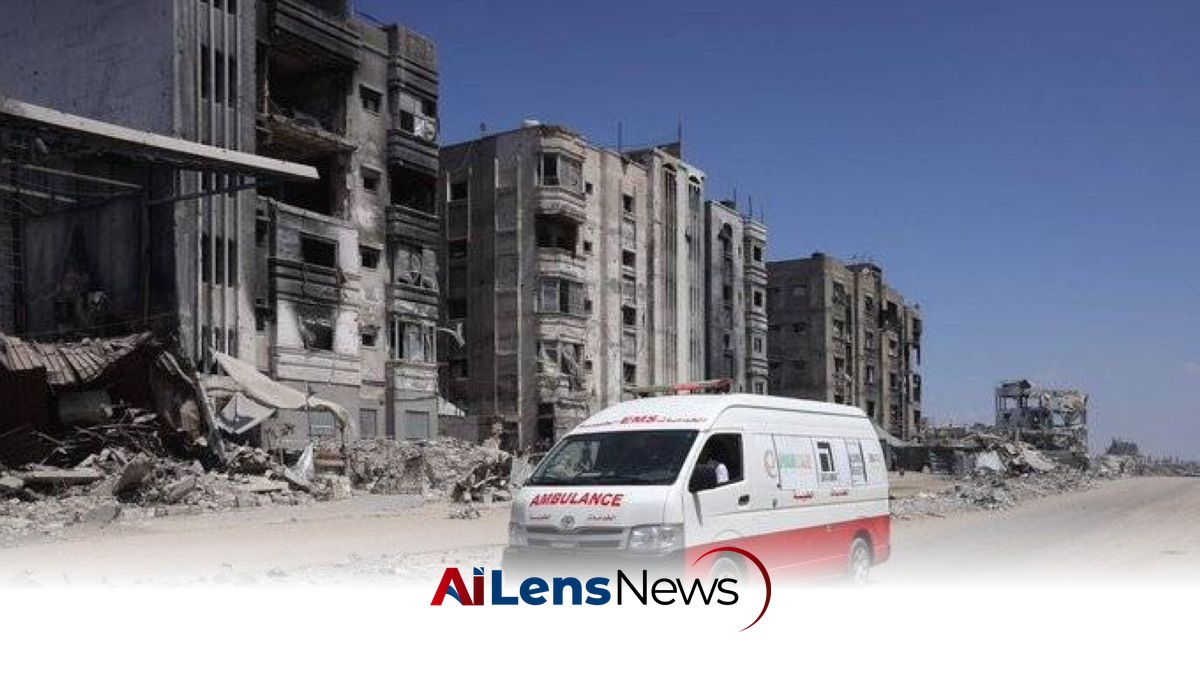


A recent Israeli drone strike in Gaza City resulted in the deaths of four Palestinians and numerous injuries, escalating ongoing tensions in the region.
Doha, Qatar Jul 18, 2026 ALN: On Saturday, four Palestinians were martyred and several others injured in an Israeli drone strike that targeted a group of individuals in the Al-Zeitoun neighborhood, located east of Gaza City, according to medical sources. The fatalities included three individuals who died instantly, while a fourth succumbed to injuries sustained from a prior Israeli strike that targeted civilians at the Al-Shaabiya junction, also east of Gaza City, on Friday. This incident is part of a broader pattern of violence that has escalated dramatically in recent weeks, leading to widespread concern among local and international observers.
The Al-Zeitoun neighborhood, like many areas in Gaza, has been a focal point of conflict, with its densely populated environment making it particularly vulnerable to military operations. The use of drone strikes by the Israeli military has become increasingly common in recent years, as they are seen as a way to conduct targeted operations with reduced risk to Israeli soldiers. However, these strikes often result in significant civilian casualties, raising concerns regarding the legality and morality of such tactics under international law. Each drone strike not only results in immediate loss of life but also contributes to a pervasive atmosphere of fear and uncertainty among the civilian population.
In a separate incident, a Palestinian was injured after being shot by an Israeli drone at a camp for displaced individuals in the Al-Shuja'iya neighborhood, further exacerbating the humanitarian crisis in the area. Al-Shuja'iya has been heavily affected by the ongoing conflict, with many residents forced to flee their homes due to violence. The camp for displaced individuals is a testament to the long-standing humanitarian issues in Gaza, where the population has faced repeated cycles of violence, leading to significant displacement and suffering. The targeting of such vulnerable populations raises ethical questions and highlights the urgent need for humanitarian intervention.
This latest round of violence follows a particularly deadly day in the Gaza Strip on Friday, when 14 Palestinians were martyred, including seven who died in an Israeli strike that hit a funeral in the Nuseirat refugee camp in central Gaza. The targeting of a funeral, a gathering meant to honor the deceased, underscores the intense and often tragic nature of the conflict, where even moments of mourning can turn into scenes of violence and despair. This incident not only reflects the chaotic reality of life in Gaza but also serves as a stark reminder of the human cost of the ongoing conflict.
The ongoing aggression by Israel against the Gaza Strip, which has intensified since October 7, 2023, has led to a staggering death toll of 73,250, with 173,751 others reported injured. This escalation has raised alarm among international observers and humanitarian organizations, who have called for immediate ceasefire and humanitarian aid. The situation continues to deteriorate, with infrastructure in Gaza severely damaged and basic necessities like food, water, and medical supplies becoming increasingly scarce. The humanitarian crisis is compounded by the blockade imposed by Israel, which has restricted access to essential goods and services, further exacerbating the suffering of the population.
Historically, the Gaza Strip has been a flashpoint in the Israeli-Palestinian conflict, with periodic escalations leading to significant loss of life and widespread destruction. The current situation can be traced back to a complex interplay of political, social, and historical factors, including the long-standing Israeli blockade of Gaza, which has restricted the movement of people and goods, contributing to dire economic conditions. The blockade began in 2007, following Hamas's takeover of the territory, and has been a source of ongoing tension and conflict. The economic ramifications of the blockade have led to high unemployment rates, poverty, and a lack of access to education and healthcare, creating a cycle of despair that fuels further violence.
The recent escalation in violence also coincides with broader regional dynamics, including shifts in alliances and the impact of external actors in the Middle East. The conflict has drawn international attention, with various countries and organizations urging both sides to de-escalate tensions and engage in dialogue. However, achieving a lasting peace remains elusive, as deep-seated grievances and mistrust continue to fuel the cycle of violence. The role of external powers, including the United States and various Arab nations, has been critical in shaping the conflict, often complicating efforts for a peaceful resolution.
As the humanitarian crisis deepens, the international community faces increasing pressure to respond. Humanitarian organizations have reported that hospitals in Gaza are overwhelmed with casualties, and the lack of medical supplies and personnel has made it difficult to provide adequate care. Additionally, the destruction of infrastructure, including water and sanitation facilities, has raised concerns about the potential for disease outbreaks. The situation is dire, with many families struggling to access clean water and adequate nutrition, leading to a public health crisis that could have long-term implications for the region.
The implications of the ongoing violence extend beyond the immediate humanitarian crisis. The continued loss of life and suffering in Gaza has sparked protests and calls for action in various parts of the world, with many advocating for a reevaluation of foreign policy towards Israel and Palestine. The situation has also reignited debates about the rights of Palestinians and the responsibilities of the international community in addressing the conflict. Activists and human rights organizations have emphasized the need for accountability and justice for the victims of violence, calling for an end to impunity for those who perpetrate acts of violence against civilians.
In conclusion, the recent drone strike in Gaza and the broader escalation of violence highlight the urgent need for a comprehensive approach to peace that addresses the underlying causes of the conflict. As the situation continues to unfold, the plight of civilians caught in the crossfire remains a pressing concern, underscoring the importance of humanitarian efforts and international engagement in seeking a resolution to the longstanding Israeli-Palestinian conflict. The road to peace will require not only immediate ceasefire agreements but also a commitment to addressing the root causes of the conflict, including economic disparities, human rights violations, and the need for mutual recognition and respect between both parties.
To learn more about the latest developments in World News & International Affairs, stay updated with our exclusive reports and analyses on AiLensNews.

