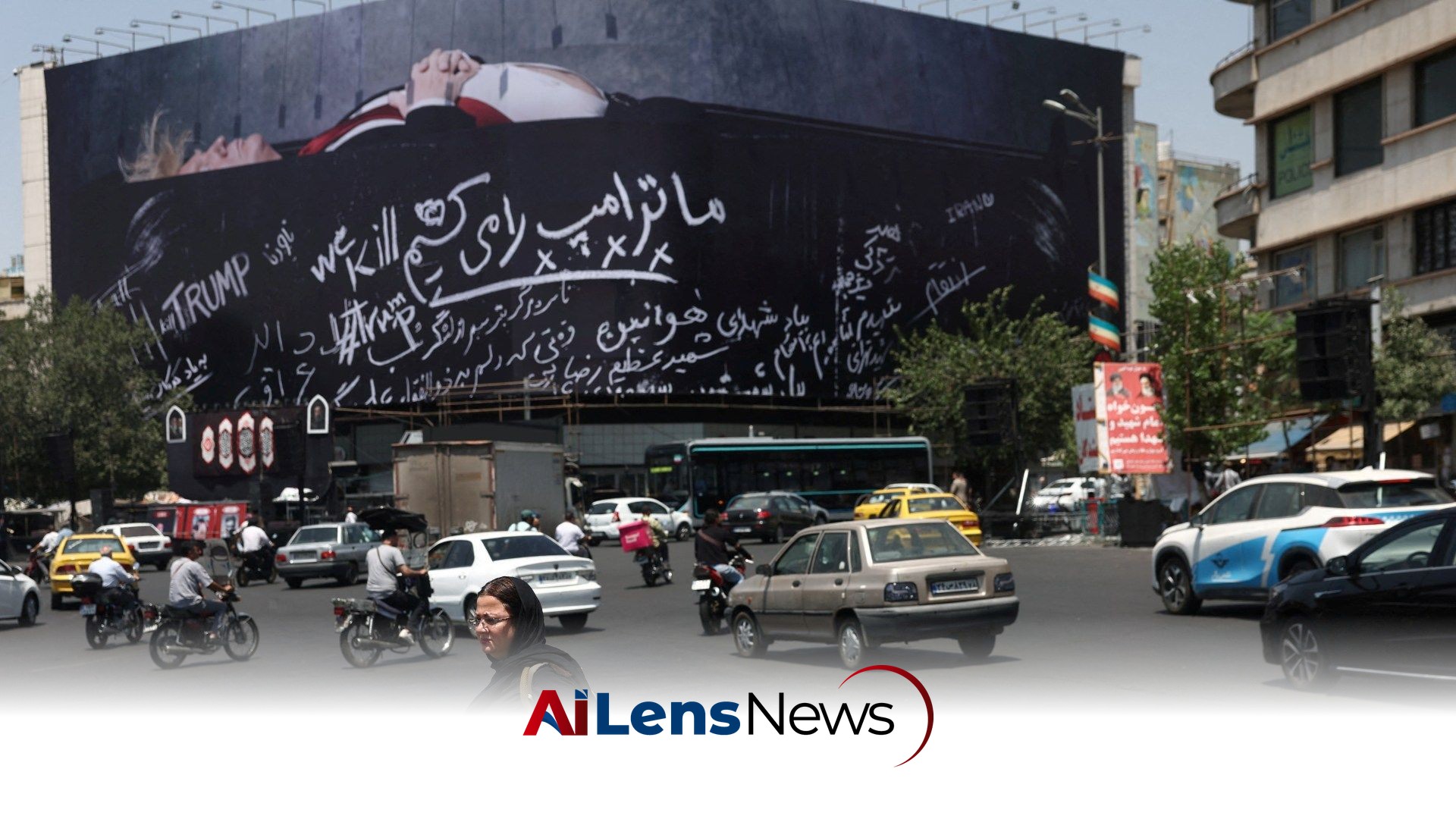


As explosions are reported in Iran, Bahrain and Kuwait activate air raid sirens, signaling heightened regional tensions. The U.S. has reportedly disabled an Iranian oil tanker.
Doha, Qatar Jul 16, 2026 ALN: In a dramatic escalation of tensions in the Middle East, air raid sirens have been activated in Bahrain and Kuwait amidst reports of explosions in Iran. Iranian media outlets have reported incidents on Qeshm Island, as well as in the cities of Bandar Abbas and Chabahar. This alarming sequence of events has raised significant concerns regarding regional security and the potential for a broader conflict in an already volatile area.
The situation has prompted concerns over regional security, particularly as the United States has reportedly taken action to disable an Iranian oil tanker, further complicating the already fraught relations between the U.S. and Iran. The U.S. has long viewed Iran's military capabilities and its influence in the Gulf region as a threat to its interests and those of its allies. The ongoing tensions are rooted in a complex history of geopolitical rivalries, economic sanctions, and military confrontations that have characterized U.S.-Iran relations since the 1979 Iranian Revolution.
Eyewitness reports from Qeshm Island indicate significant explosions, raising alarms about potential military actions or retaliatory strikes. The Iranian government has not yet released an official statement regarding these incidents, but local media are closely monitoring the developments. The explosions reportedly occurred in areas known for their strategic importance, particularly for maritime activities and oil shipping routes. The Strait of Hormuz, where Qeshm Island is located, is a crucial chokepoint through which a significant portion of the world's oil supply is transported, making any military activity in the area particularly concerning.
Qeshm Island, located in the Strait of Hormuz, is a critical point for maritime navigation and is often a focal point for military activities due to its proximity to shipping lanes used for the transport of oil. The presence of military installations and the potential for naval confrontations in this area has made it a flashpoint in U.S.-Iran relations. Historically, the Strait has been the site of numerous military skirmishes and confrontations, underscoring its importance in the geopolitical landscape of the region.
The activation of air raid sirens in Bahrain and Kuwait underscores the precarious nature of security in the Gulf region. Both nations are closely allied with the United States, which has been vocal in its opposition to Iranian military activities. Bahrain, home to the U.S. Navy's Fifth Fleet, and Kuwait, which has a history of U.S. military presence, are particularly sensitive to developments that may threaten their security. The air raid sirens are a stark reminder of the potential for direct military conflict, prompting both nations to heighten their alert levels.
Regional allies, including Saudi Arabia and the United Arab Emirates, are also likely monitoring the situation closely, given their own tensions with Iran. The Gulf Cooperation Council (GCC) has a collective interest in maintaining stability and may convene discussions to address the potential ramifications of these incidents. The GCC's role is pivotal in fostering a unified response to Iranian provocations, as member states seek to balance their national security interests with the need for regional cooperation.
According to sources, the U.S. Navy has disabled an Iranian oil tanker, a move that is likely to escalate tensions further. This action is part of a broader strategy to curb Iranian influence in the region, particularly concerning its oil exports. The U.S. has implemented sanctions aimed at reducing Iran's oil revenue, which is a significant source of funding for its military activities and regional proxies. The sanctions regime has been a cornerstone of U.S. policy towards Iran, aiming to pressure the Iranian government to alter its behavior regarding nuclear development and support for militant groups.
The disabling of the tanker is indicative of the U.S. approach to countering Iranian actions in the Gulf. This tactic has been met with criticism from Iran, which views it as an act of aggression and a violation of its sovereignty. The Iranian government has previously threatened to retaliate against U.S. interests in the region if it perceives its assets to be under threat. Such threats raise the stakes for U.S. military personnel and assets in the region, as any retaliation could lead to a cycle of violence that is difficult to contain.
The situation remains fluid, with potential implications for regional stability. Analysts suggest that the ongoing conflict could lead to increased military presence from both U.S. and Iranian forces in the Gulf, raising the stakes for all involved parties. The risk of miscalculation or unintended escalation is high, particularly in a region where military assets are positioned close to one another. The potential for a misstep that could lead to open hostilities is a significant concern for military planners on both sides.
Furthermore, the potential for proxy conflicts could increase as regional powers may feel compelled to respond to perceived threats from Iran or the U.S. This could lead to a broader regional conflict involving various state and non-state actors, further destabilizing the Middle East. In recent years, Iran has cultivated relationships with various militias and groups across the region, including in Iraq, Syria, Lebanon, and Yemen, creating a complex web of alliances that could complicate any military response.
The international community, including organizations such as the United Nations, may face pressure to intervene or mediate in the escalating tensions. Diplomatic efforts to de-escalate the situation will be essential to prevent a larger conflict, but the effectiveness of such measures will depend on the willingness of both Iran and the U.S. to engage in dialogue. Previous attempts at diplomacy, including the Joint Comprehensive Plan of Action (JCPOA), have faced significant challenges, and the current climate may render similar efforts more difficult.
As the situation develops, it is crucial for the international community to monitor these events closely, as they could have far-reaching consequences for peace and security in the Middle East. The interlinking of military actions, economic sanctions, and diplomatic engagements will shape the future dynamics of the region. The potential for a wider conflict, involving not just direct U.S.-Iran confrontation but also the involvement of regional allies and adversaries, looms large.
In conclusion, the recent explosions in Iran and the subsequent activation of air raid sirens in Bahrain and Kuwait highlight the escalating tensions in the region. With U.S. military actions against Iranian assets, the potential for conflict looms large. The coming days and weeks will be critical in determining whether diplomatic channels can be reopened or if military confrontations will escalate, further complicating an already intricate geopolitical landscape. The stakes are high, and the consequences of miscalculations could reverberate far beyond the immediate region, impacting global oil markets and international security dynamics.
To learn more about the latest developments in World News & International Affairs, stay updated with our exclusive reports and analyses on AiLensNews.

