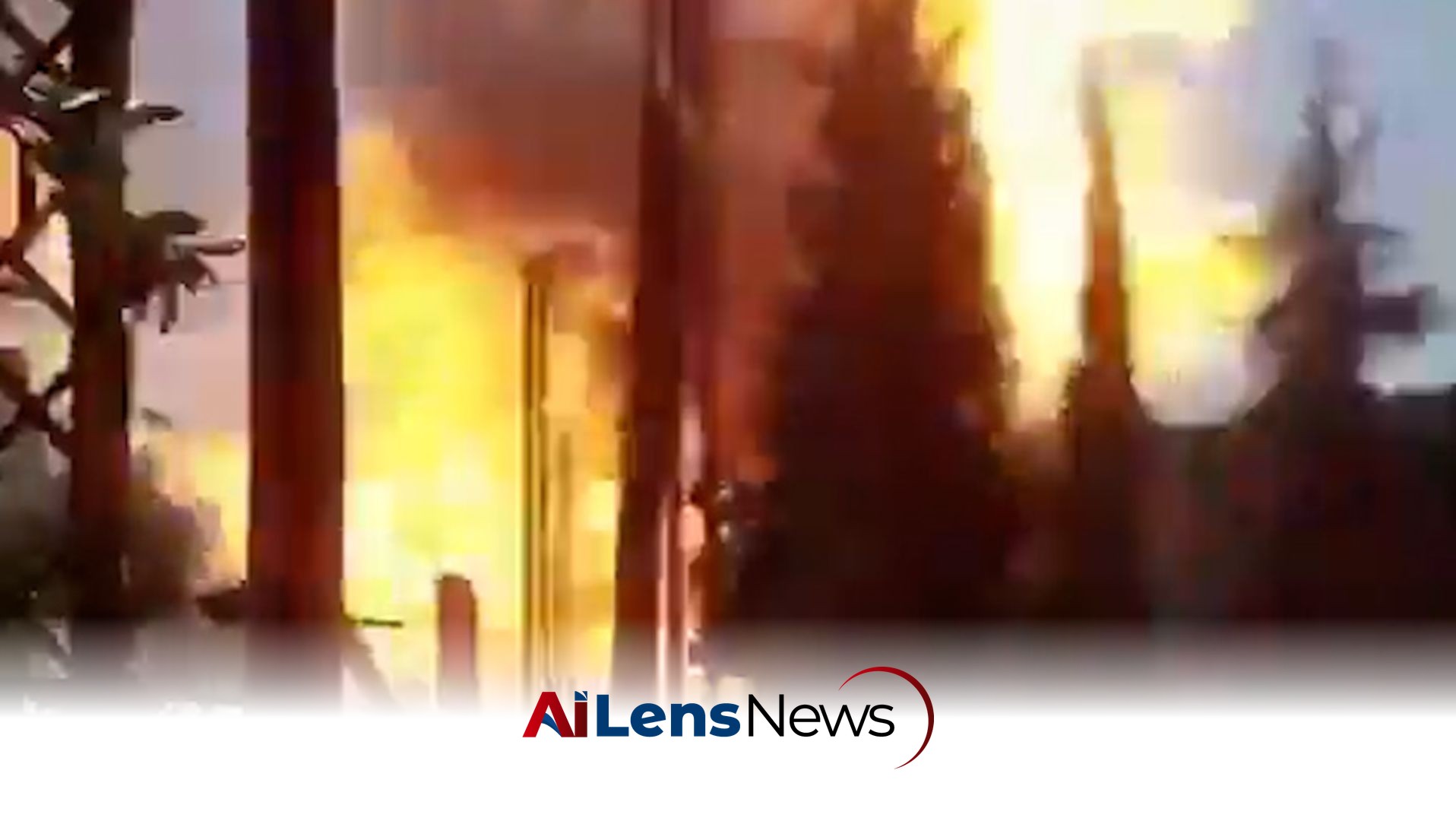


A gas tanker explosion in Hermel, Lebanon, triggered by high temperatures, damaged homes and vehicles as emergency crews responded to the fire.
Doha, Qatar Jul 15, 2026 ALN: A gas tanker exploded near the Lebanese Army barracks in Hermel, resulting in significant damage to nearby properties and vehicles. The explosion was reportedly caused by soaring temperatures that sparked a fire in the vicinity. This incident has drawn attention not only to the immediate damage but also to the broader implications for safety protocols concerning hazardous materials in Lebanon.
The powerful blast sent flames and smoke billowing into the air, alarming residents and prompting a swift response from Civil Defense crews. Firefighters worked diligently to extinguish the flames and prevent further damage. The explosion's intensity was such that it could be felt for miles around, causing panic among the local populace and raising questions about emergency preparedness in the region.
The explosion not only affected the gas tanker but also resulted in damage to several homes in the area. Residents reported shattered windows and scorched vehicles, highlighting the explosion's intensity. Eyewitness accounts describe a chaotic scene, with individuals rushing to evacuate the area as the flames engulfed the tanker. Local businesses nearby also suffered damage, leading to economic concerns for those who rely on foot traffic and local patronage.
The local community is now grappling with the aftermath of the explosion. Many families have been displaced due to the damage to their homes, and local businesses are left to assess the financial impact of the incident. The psychological toll on residents, many of whom witnessed the explosion firsthand, cannot be understated. The fear and anxiety stemming from such a traumatic event can linger long after the flames have been extinguished.
Local authorities are assessing the extent of the damage and providing assistance to those affected. The incident has raised concerns about safety measures in place for handling hazardous materials, especially during extreme weather conditions. As Lebanon faces increasingly severe weather patterns, the need for stringent regulations and effective emergency response plans becomes even more critical. This incident may serve as a catalyst for change, pushing local and national governments to reevaluate their emergency response strategies and safety regulations.
Emergency services were quick to arrive on the scene, and their prompt action helped contain the fire before it spread to other structures. The Civil Defense teams faced challenges due to the intensity of the flames but managed to bring the situation under control. Their efforts were crucial in preventing what could have been a more catastrophic incident, potentially involving more casualties and greater property damage.
As investigations begin, officials are expected to review safety protocols related to gas transportation and storage in the region to prevent similar incidents in the future. This review will likely involve collaboration with national safety organizations and international experts to ensure that best practices are implemented. The incident serves as a critical reminder of the need for ongoing training and preparedness for emergency responders, who must be equipped to handle such dangerous situations effectively.
The effectiveness of the emergency response is also a point of discussion among community members. While many praised the quick actions of firefighters and emergency personnel, others expressed concerns about the adequacy of resources available to them. The need for better equipment, training, and support for emergency services has been a recurring theme in discussions about public safety in Lebanon.
Residents expressed their shock and concern over the explosion. Many are calling for increased safety measures to protect the community from potential hazards associated with gas tankers and other flammable materials. Social media platforms have been flooded with messages from locals sharing their experiences and urging government officials to take immediate action. Community leaders have also begun organizing meetings to discuss safety protocols and emergency preparedness strategies with residents.
The incident serves as a reminder of the risks posed by extreme weather and the importance of preparedness in mitigating such dangers. With climate change leading to more frequent heatwaves, the potential for similar incidents increases. Experts suggest that municipalities must invest in infrastructure improvements, including better storage facilities for hazardous materials and enhanced training for emergency personnel.
As the investigation continues, local leaders are urged to engage with the community to address their concerns and ensure their safety in the future. This engagement is vital not only for restoring public confidence but also for fostering a culture of safety and awareness regarding the risks associated with hazardous materials. Community forums and town hall meetings could be effective platforms for discussing these issues and developing actionable plans for the future.
The incident in Hermel is not an isolated event; Lebanon has experienced various industrial accidents over the years, often highlighting the inadequacies in safety regulations and emergency response capabilities. The country has faced numerous challenges in maintaining infrastructure and ensuring public safety, particularly in the context of ongoing economic and political instability. The explosion serves as a stark reminder of the potential consequences of neglecting safety protocols and the urgent need for reform.
Furthermore, Lebanon's geographical and climatic conditions can exacerbate the risks associated with hazardous materials. The combination of high temperatures and dry conditions creates a volatile environment for flammable substances. As such, the government and relevant agencies must prioritize the establishment of comprehensive safety measures, including regular inspections and community education programs on the risks associated with gas and other hazardous materials.
In recent years, Lebanon has faced a myriad of challenges, including economic downturns, political unrest, and a public health crisis due to the COVID-19 pandemic. These factors have strained the country's ability to address safety concerns effectively. The gas tanker explosion adds another layer of complexity to an already precarious situation, underscoring the need for a coordinated response to enhance public safety.
In the aftermath of the explosion, it is crucial for local and national authorities to take proactive steps to enhance safety protocols. This includes conducting thorough investigations into the causes of the explosion and implementing recommendations to prevent future occurrences. Additionally, there should be a focus on community education about the dangers of gas and other flammable materials, as well as the importance of reporting unsafe conditions.
As Lebanon continues to grapple with various challenges, the need for a robust and responsive safety framework is more critical than ever. The community's resilience in the face of such incidents can be strengthened through collaboration between government officials, emergency services, and residents. By working together, they can create a safer environment and ensure that such tragedies are not repeated in the future.
Moreover, the incident may prompt discussions at the national level regarding the need for comprehensive legislation aimed at improving safety standards for hazardous materials. Policymakers may be encouraged to consider stricter regulations on the transportation and storage of flammable substances, ensuring that safety measures are not just recommendations but requirements that must be adhered to.
Ultimately, the Hermel explosion serves as a critical inflection point for Lebanon, highlighting the urgent need for systemic change in how hazardous materials are managed and the importance of community engagement in safety initiatives. It is a call to action for all stakeholders to prioritize safety and preparedness in the face of evolving environmental challenges.
To learn more about the latest developments in Local & Regional, stay updated with our exclusive reports and analyses on AiLensNews.

