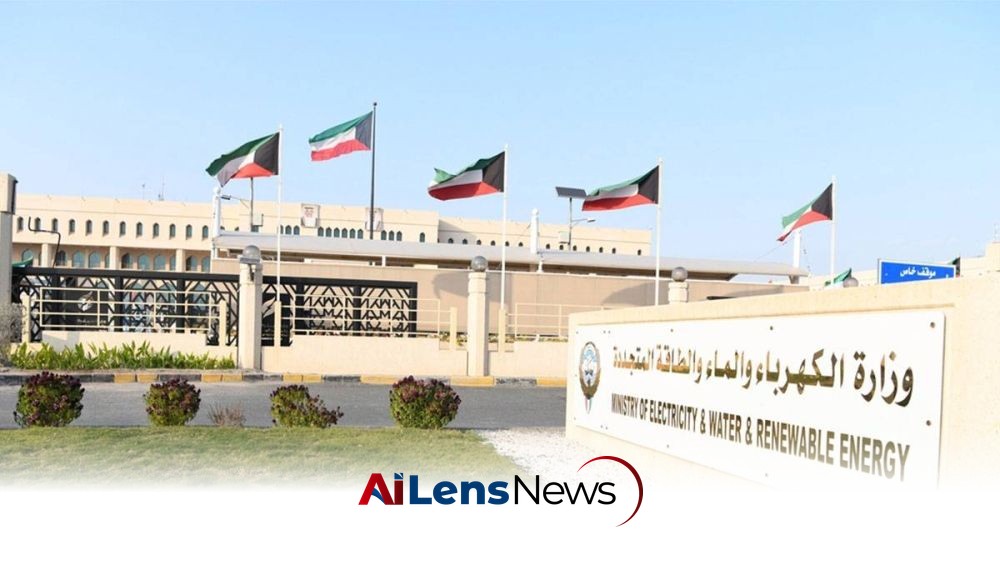


A fire erupted at a Kuwaiti power and water desalination facility after an Iranian attack, prompting emergency measures and coordination with fire authorities.
Doha, Qatar Jul 18, 2026 ALN: Kuwait's Ministry of Electricity, Water and Renewable Energy reported on Saturday that a fire broke out at another power generation and water desalination plant following an Iranian attack. This incident marks a significant escalation in tensions in the region, particularly between Kuwait and Iran, and raises concerns about the security of critical infrastructure.
The ministry emphasized that precautionary operational measures had been implemented to ensure the safety of the facility and its personnel while maintaining the stability of the country's electricity grid. The importance of these measures cannot be overstated, as power generation and water desalination are vital services for Kuwait, a country that relies heavily on both for its daily operations and the well-being of its population.
Emergency teams, in collaboration with the Kuwait Fire Force and other relevant authorities, swiftly responded to the blaze. The ministry noted that all operational and emergency plans were activated immediately after the incident. The rapid response highlights the preparedness of Kuwait's emergency services, which are crucial in mitigating the impact of such attacks on the nation's infrastructure.
This incident follows another fire that occurred on Friday at a different power generation and water desalination plant, which was also attributed to an Iranian attack that damaged numerous electricity generation units. The recurrence of such attacks raises alarms about the potential for ongoing instability and the implications for regional security. The attacks are indicative of a broader pattern of hostilities in the region, particularly as tensions between Iran and its neighbors, including Kuwait, continue to escalate.
Since Thursday, Kuwait has successfully repelled a series of Iranian missile and drone attacks, according to the General Staff of the Kuwaiti Armed Forces. This series of assaults underscores the increasing frequency and intensity of military confrontations in the Gulf region, which has historically been a hotspot for geopolitical tensions. The Iranian regime has been involved in various military operations and proxy conflicts throughout the Middle East, which have often targeted neighboring countries.
The implications of these attacks extend beyond immediate physical damage to infrastructure. They also pose significant risks to the economic stability of Kuwait, a nation that is heavily dependent on its oil and gas sector, which in turn relies on a stable supply of electricity and water. Disruptions caused by military actions could lead to broader economic repercussions, affecting everything from industry operations to the daily lives of Kuwaiti citizens.
In response to the ongoing threat, Kuwait has been working to enhance its military capabilities and strengthen its alliances with other nations in the region and beyond. This includes increased cooperation with the United States and other Western allies, who have a vested interest in maintaining stability in the Gulf region. The presence of foreign military forces in the area serves as a deterrent to further Iranian aggression, but it also complicates the geopolitical landscape, as it may provoke additional retaliatory measures from Iran.
The fires at the power and desalination plants are not merely isolated incidents; they are part of a larger narrative of conflict and unrest that has characterized the Gulf region for decades. The historical context of these tensions includes longstanding disputes over territorial waters, oil reserves, and political influence among Gulf states and Iran. The Iranian government has often resorted to asymmetric warfare tactics, including cyberattacks and missile strikes, to assert its influence and retaliate against perceived threats.
Moreover, the environmental implications of such attacks are significant. Fires at power plants can lead to the release of harmful pollutants into the air and water, exacerbating existing environmental challenges in Kuwait, a country that is already grappling with issues related to climate change, water scarcity, and air quality. The destruction of infrastructure not only impacts immediate services but can also hinder long-term sustainability efforts in the region.
As the situation develops, it will be critical for Kuwait to assess its security strategies and bolster its defenses against future attacks. This could involve increasing investments in advanced military technology, improving intelligence capabilities to better predict and prevent such incidents, and fostering greater collaboration with international partners to address the root causes of regional instability.
In conclusion, the fire at the Kuwaiti power and water desalination plant is a stark reminder of the vulnerabilities faced by nations in a volatile region. As tensions with Iran continue to simmer, the need for comprehensive strategies to safeguard critical infrastructure and ensure the safety of citizens becomes increasingly urgent. The international community must remain vigilant and supportive of efforts to promote stability and peace in the Gulf, recognizing that the repercussions of conflict extend far beyond national borders.
To further understand the implications of this situation, it is essential to consider the broader geopolitical dynamics at play in the Gulf region. The Gulf Cooperation Council (GCC), which includes Kuwait, Saudi Arabia, the United Arab Emirates, Qatar, Oman, and Bahrain, has been increasingly wary of Iranian influence in the region. This has led to a series of diplomatic and military initiatives aimed at countering Iran's perceived aggression. The GCC countries have sought to enhance their collective security through joint military exercises, intelligence sharing, and defense cooperation.
In addition to military responses, there is also a growing recognition among Gulf states of the need to diversify their economies and reduce their dependence on oil and gas revenues. Economic diversification efforts are critical in ensuring long-term stability and resilience against external shocks, such as military conflicts or fluctuations in global oil prices. Kuwait, in particular, has launched several initiatives aimed at promoting renewable energy sources and sustainable development practices, which could help mitigate the impact of future attacks on critical infrastructure.
Furthermore, the incidents at the power and desalination plants may also reignite discussions about energy security and the need for enhanced protective measures for critical infrastructure. This could involve investing in advanced technologies such as cyber defense systems, surveillance capabilities, and physical security measures to safeguard against potential threats. The integration of smart technologies in the management of energy resources could also play a pivotal role in enhancing resilience and ensuring continuity of services in the face of adversities.
As the international community closely monitors the developments in Kuwait and the broader Gulf region, there is a growing need for diplomatic efforts aimed at de-escalating tensions. Engaging in dialogue with Iran, while simultaneously reinforcing security measures, may be a delicate balancing act for Kuwait and its allies. However, fostering communication channels could help mitigate misunderstandings and reduce the likelihood of further military confrontations.
In summary, the fire at the Kuwaiti power and water desalination plant serves as a critical juncture in the ongoing struggle for stability in the Gulf region. The interplay between military actions, economic vulnerabilities, and environmental concerns underscores the complexity of the situation. As Kuwait navigates these challenges, the role of international cooperation and strategic planning will be paramount in ensuring the safety and security of its vital infrastructure and the well-being of its citizens.
To learn more about the latest developments in World News & International Affairs, stay updated with our exclusive reports and analyses on AiLensNews.

