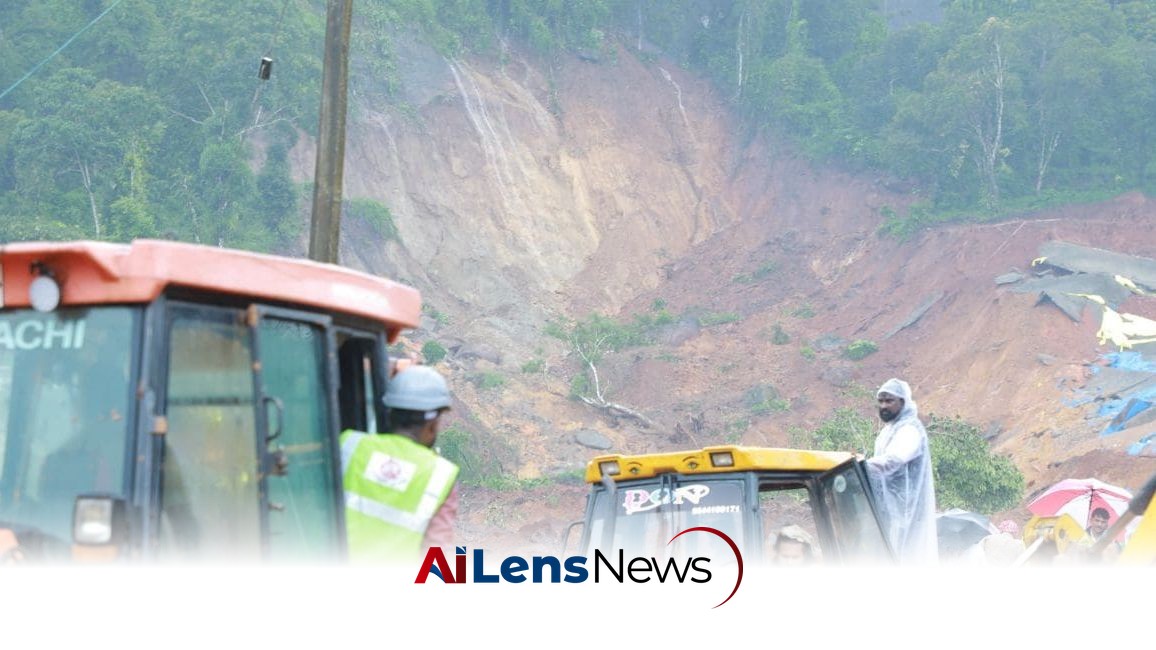


Dilip Buildcon Ltd will offer ₹6 lakh each to the families of seven employees killed in a Wayanad landslip, alongside additional compensation for a contract worker.
Doha, Qatar Jul 13, 2026 ALN: Wayanad: In a tragic incident that has claimed the lives of multiple workers, Dilip Buildcon Ltd, the company responsible for the Anakkampoyil–Kalladi twin-tunnel project, has announced a significant financial aid package for the families of those affected. The announcement was made by Agriculture Minister T Siddique, who confirmed that the families of the seven employees who lost their lives in a recent landslip at the project site will each receive ₹6 lakh. Additionally, the family of Anmol Dodrai, a contract worker associated with the project, will receive ₹5 lakh.
This financial support comes at a critical time for the families who are grappling with the loss of their loved ones. The compensation package is designed not only to provide immediate relief but also to offer longer-term financial security. The families of the deceased employees will also be entitled to statutory benefits, which will vary based on each employee's designation, length of service, and insurance coverage. As a result, the total compensation package for each family is expected to range between ₹20 lakh and ₹40 lakh, as outlined by Minister Siddique during a review meeting with representatives from the company at the Wayanad Collectorate.
The breakdown of the compensation reveals the varying financial support each family will receive based on individual circumstances. For instance, Chandrabhan Pal's family will receive a total of ₹28 lakh, while Bikash Kumar Singh's family will receive ₹31 lakh. Anmol Dodrai's family is set to receive ₹21 lakh, and site engineer Rahul Sharma's family will receive ₹34 lakh. The families of surveyor Azharuddin Ansari and excavator operator Mohammed Imran Khan will each receive ₹29 lakh, while surveyor Rakesh Guchait's family will receive ₹32 lakh. The highest compensation package will go to construction manager Vikram Rana's family, which will receive ₹40 lakh.
The company has pledged to transfer these funds to the bank accounts of the victims' families or eligible dependents within ten days of completing the necessary formalities. This swift action is intended to alleviate the financial burden on the families during this difficult time. Furthermore, Dilip Buildcon has committed to providing additional financial assistance to injured workers, including three employees who remain in critical condition following the landslip.
The landslip occurred at the tunnel Phase III project site at Kalladi in Wayanad, a region known for its hilly terrain and susceptibility to landslides, particularly during the monsoon season. This geographical vulnerability has been exacerbated by ongoing construction activities that disturb the natural landscape, raising concerns about the safety protocols in place at construction sites in these areas. The frequency of such incidents highlights the need for stringent safety measures, especially in regions prone to natural disasters.
The Kerala government's response to this tragedy has included announcing an ex gratia payment of ₹5 lakh each for the families of those killed in the incident, which will be disbursed from the Chief Minister's Distress Relief Fund (CMDRF). Additionally, those injured in the landslip will receive up to ₹2 lakh in medical assistance from the state, depending on the severity of their injuries. This governmental support aims to provide a safety net for the affected families as they navigate the aftermath of this devastating event.
In the wake of the landslip, immediate safety measures have been prioritized. Minister Siddique has directed the company to remove the accumulated soil at the tunnel entrance and the heaps of excavated earth that have been dumped along the roadsides within a span of three days. This directive underscores the urgency of ensuring the safety of the area and preventing further incidents. It reflects a growing recognition of the need for proactive measures to address the risks associated with construction in geologically unstable regions.
Looking ahead, further decisions regarding restoration work will be made after consultations with an expert committee that is scheduled to inspect the project site. This committee's recommendations will play a crucial role in shaping the government's guidance on safety measures and protocols that must be adhered to during the debris clearance and any subsequent work at the site. The involvement of experts is essential in mitigating risks and ensuring that construction practices adhere to safety standards that can prevent future tragedies.
The landslip incident not only highlights the dangers associated with construction in geologically unstable areas but also raises questions about the regulatory oversight of such projects. There is an urgent need for a comprehensive review of the safety protocols currently in place, as well as the regulatory frameworks governing construction in vulnerable regions. As the government and the company navigate the aftermath of this tragedy, it is imperative that lessons are learned to enhance safety measures in the construction industry, particularly in regions prone to natural disasters.
The impact of the landslip extends beyond the immediate loss of life. Families are left to cope with the emotional and financial ramifications of this incident, which will resonate within the community for years to come. The emotional toll on the families, compounded by the loss of income and support, is a heavy burden that they will carry. The company's commitment to providing compensation and support is a critical step in addressing the immediate needs of the victims' families, but long-term solutions must also be considered to prevent similar occurrences in the future.
As the situation develops, it will be crucial for all stakeholders, including the government, construction companies, and local communities, to work together to enhance safety protocols and ensure that the lessons learned from this tragedy are translated into actionable measures that prioritize the well-being of workers and the community at large. This collaborative approach is essential to fostering a culture of safety that can protect lives and livelihoods in the face of natural hazards.
In conclusion, the recent landslip in Wayanad serves as a stark reminder of the inherent dangers associated with construction in vulnerable terrains. It underscores the importance of stringent safety measures, regulatory oversight, and community engagement in ensuring the safety and well-being of workers and residents alike. As the affected families begin to navigate their grief and rebuild their lives, the commitment from both the government and Dilip Buildcon Ltd to provide support is an important step, but it must be accompanied by a long-term vision for sustainable and safe construction practices in the region.
To learn more about the latest developments in Local & Regional, stay updated with our exclusive reports and analyses on AiLensNews.

