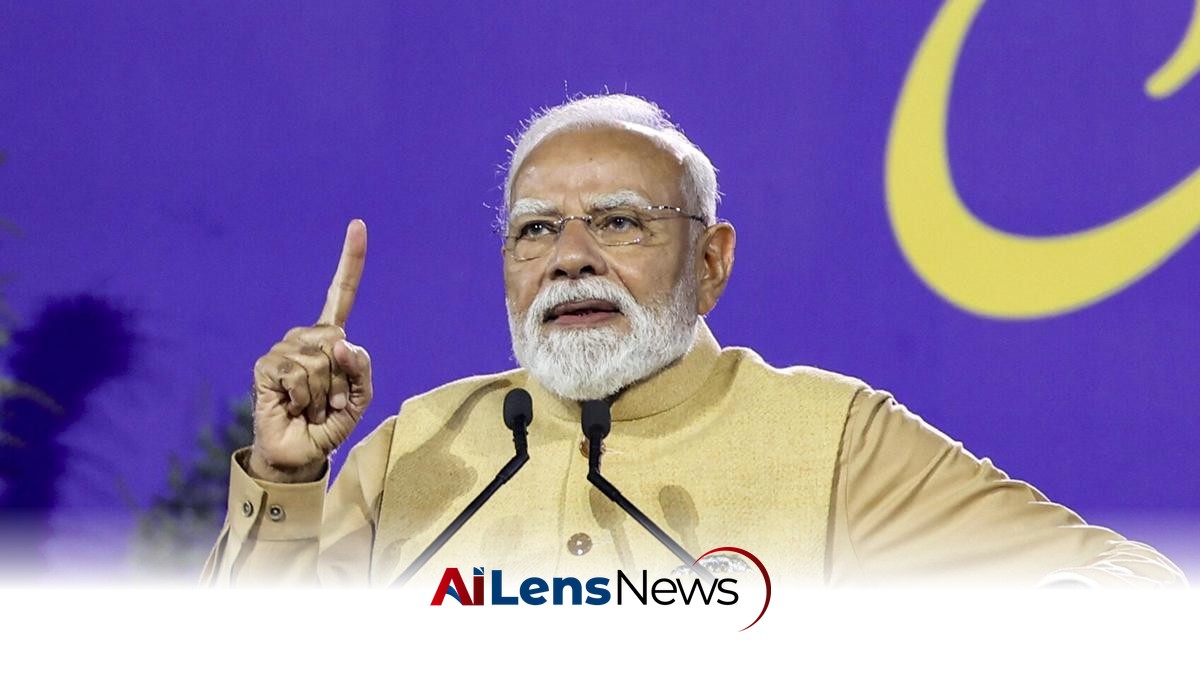


PM Modi commends Australia’s social media ban for minors, hinting at potential similar regulations in India to protect youth.
New Delhi, India Jul 10, 2026 ALN: Prime Minister Narendra Modi on Thursday (July 9, 2026) praised Australia’s ban on social media access for teenagers, in the clearest indication so far that the Union government is mulling similar curbs. “I have followed you closely, and the way you have legislated and worked to protect society in IT and social media is inspiring the world,” Mr. Modi told Australian Prime Minister Anthony Albanese in remarks open to the press. The Prime Minister is on a bilateral visit to Australia, which highlights the growing inter dialogue on the governance of social media and its impact on society.
Australia’s Online Safety Amendment (Social Media Minimum Age) Act, 2024 requires social media platforms to detect and block access to minors below the age of 16. This legislative move reflects a significant shift in how governments are beginning to approach the regulation of digital platforms, particularly in relation to youth. The Act is part of a broader trend where various countries are implementing measures aimed at safeguarding minors from potential harms associated with social media usage, such as cyberbullying, exposure to inappropriate content, and mental health issues.
In conversations and public remarks, officials at the Ministry of Electronics and Information Technology (MeitY) have indicated that India is exploring a “graded” set of restrictions that would allow some social media access while blocking certain categories of content depending on the age cohort of a minor. This nuanced approach suggests an awareness of the complexities involved in regulating digital spaces where young people increasingly interact.
Social media bans for minors are growing around the world, as anxieties around platforms’ effect on children’s mental health have intensified. The global discourse surrounding the impact of social media on youth is increasingly urgent, with studies indicating potential links between excessive social media use and issues such as anxiety, depression, and body image concerns among teenagers. As a result, many governments are feeling pressured to act, leading to a patchwork of laws and regulations that differ significantly from one jurisdiction to another.
IT Minister Ashwini Vaishnaw confirmed the discussions during a press conference at the AI Impact Summit earlier in February. “It's a problem which is growing day by day,” Mr. Vaishnaw said. “And certainly there is a need for protecting our children, protecting our society from these harms...we are in a conversation regarding age-based restrictions with the various social media platforms and...the right way to go about this.” His remarks underscore the Indian government's recognition of the challenges posed by unregulated access to social media for minors.
Despite these discussions, it is not yet clear if the government is planning to bring this into action with a law in Parliament or through amendments to the Information Technology (Intermediary Guidelines and Digital Media Ethics Code) Rules, 2021. The latter has been the primary legal framework that the government has used to introduce regulations, such as those requiring the labeling of AI-generated images. This ambiguity reflects the ongoing debate within the government regarding the most effective and appropriate means of regulating social media usage among minors.
In April, several state governments moved to announce their own respective social media bans. Andhra Pradesh announced that it would pursue a law regulating children’s social media use, as did Karnataka. “Officials have been tasked with studying best practices from countries such as Singapore, Australia, and Denmark to build a robust legal and technological framework [to enforce the law] tailored to India’s needs,” the AP government said in a statement. This state-level initiative indicates that there is a growing recognition of the need for regulatory measures at various levels of government, although it raises questions about the consistency and effectiveness of such measures across different regions.
However, neither Karnataka nor Andhra Pradesh has tabled a draft law in their respective legislatures. Regulating the internet is a Union subject, which falls under the purview of MeitY. This centralization of authority may limit the ability of states to enact their own laws, potentially leading to conflicts or inconsistencies in how social media is regulated across the country. That said, if these proposals were to move forward before the Union government has its say, it could lead to a complex legal landscape where state and regulations intersect.
In response to these developments, Meta, the parent company of Facebook and Instagram, stated in April that it would “comply with social media bans where they are enforced.” However, it also expressed concerns, indicating that such measures may not be the most effective way to address the issue of children’s wellbeing online. The company’s position highlights the tension between regulatory efforts and the operational realities faced by social media platforms, which often advocate for self-regulation and educational initiatives over outright bans.
Digital rights advocacy groups, such as the Internet Freedom Foundation (IFF), have opposed a total ban on social media access for minors. They argue that social media exposure can foster greater civic participation among young people and that a blanket ban is an extreme measure. “When a playground is unsafe, we make efforts to fix the equipment, ensure appropriate guardrails, and prioritize safety as opposed to banning the use of the playground entirely,” IFF stated. Their perspective emphasizes the importance of creating safer online environments rather than restricting access altogether, suggesting that education and digital literacy should play a central role in any regulatory framework.
The ongoing discussions around social media regulation for minors in India reflect broader societal concerns about the digital landscape and its implications for youth. As governments around the world grapple with similar challenges, the outcomes of these debates will likely shape the future of social media governance, influence public discourse around digital rights, and impact the way young people engage with technology. The balance between protecting minors and preserving their rights to free expression and access to information will be a critical consideration as policymakers navigate this complex issue.
To learn more about the latest developments in Society & Social Issues, stay updated with our exclusive reports and analyses on AiLensNews.

