

As the UK faces one of its longest heatwaves, ambulance crews in Exeter are overwhelmed with calls related to heat-related illnesses. This report highlights the challenges they face.
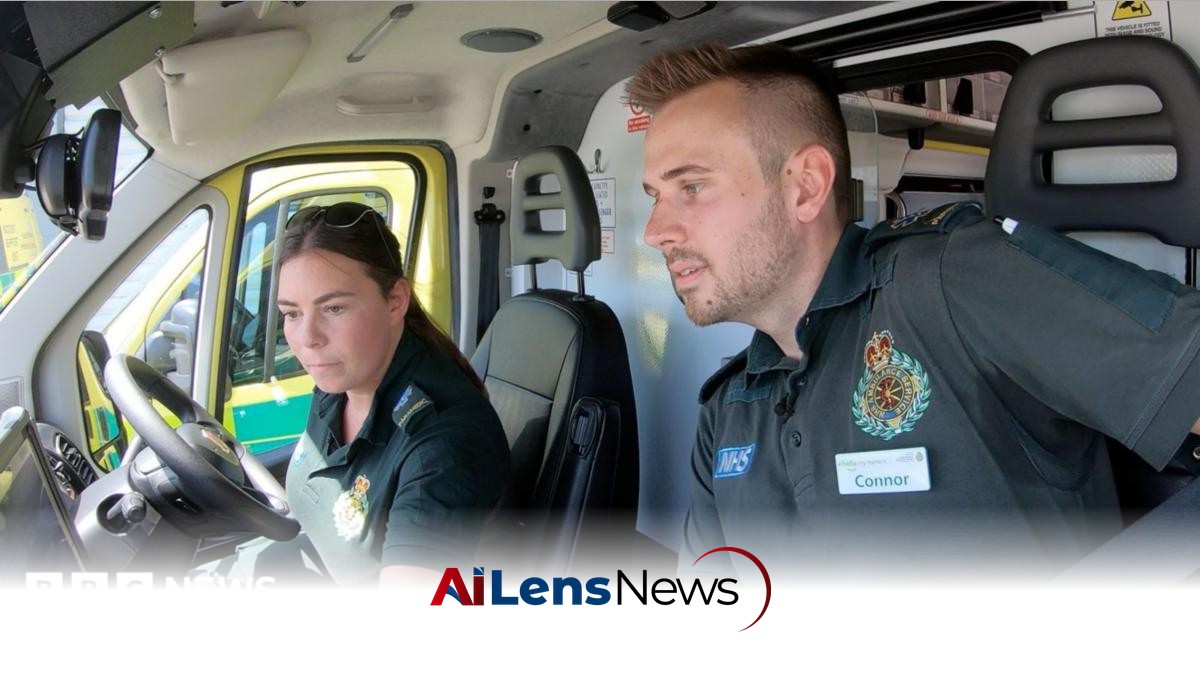
New Delhi, India Jul 10, 2026 ALN: Suffering from asthma and a chronic lung condition, 55-year-old Andrew is distressed, overheating, and struggling to breathe or talk. Exeter paramedics Connor Gilronan and Charlotte Sherston give him medication and oxygen and remind him to stay cool and hydrated.
This is a typical callout for the ambulance crew in South West England, who, during one of Britain's longest-lasting heatwaves, are tending to cases ranging from heat exhaustion to stroke patients. The BBC joined them on one of their shifts to witness firsthand the challenges faced by emergency services during extreme weather conditions.
Once Andrew's medication kicks in, his breathing eases, and the paramedics decide he is safe to stay at home. This outcome is a relief for both the paramedics and Andrew, as it allows him to avoid a potentially unnecessary hospital visit, which could further strain the already stretched healthcare system.
Major emergencies are rare for ambulance services, whose visits are largely spent caring for the elderly or those with chronic health conditions, the paramedics told the BBC. The nature of their work often involves responding to situations that, while not life-threatening, can quickly escalate if not addressed promptly.
Both Charlotte and Connor were also on shift during the record-breaking heat last month and say the health risks of heatwaves are often misunderstood. "Winter pressures are nothing compared to heatwave pressures," says Charlotte, who is working alongside her colleague. This statement highlights the often-overlooked dangers posed by extreme heat, which can lead to serious health complications, especially among vulnerable populations.
Connor agrees, emphasizing that "people die in heatwaves. Not because they were out running around or taking risks, but because they're elderly and don't realize how at risk they are." This observation sheds light on the critical need for public awareness campaigns that educate communities about the risks associated with high temperatures, particularly for those who may be less aware of their vulnerability.
As they finish paperwork between callouts, they tell the BBC of visiting houses where people were wearing jumpers or even had the heating on because they didn't know how to turn it off. This anecdote serves as a poignant reminder of the disconnect that can exist between individuals and the realities of their health needs, particularly during extreme weather conditions.
The very young, as well as the elderly, are less able to thermoregulate their bodies, meaning complications from getting too hot can be very serious. Infants and older adults have a reduced ability to dissipate heat, which can lead to heat-related illnesses such as heat exhaustion and heat stroke. Those with chronic conditions are also at elevated risk, as symptoms from existing conditions are intensified in extreme heat.
These health risks pile pressure on an already stretched service. In the June heatwave, the South Western Ambulance services received a record number of emergency 999 calls: about 3,000 incidents a day are typically reported in the peak of winter, a number rising to over 4,000 in the heatwave. This significant increase in call volume creates a challenging environment for paramedics, who must prioritize their responses while managing the physical and emotional toll of their work.
"Our number of calls tracks the temperature - it's a very correlated trend," says Dr. John Martin, chief executive of the South West Ambulance Service. This correlation underscores the direct impact that environmental factors have on public health and emergency services, necessitating a proactive approach to managing these challenges.
The trust covers 10,000 square miles – from Cornwall to Swindon – and expects further pressure this week, not only from heat-related illness but also from water-related injuries and drownings, which spike during hot weather. The risk of drowning increases as people seek relief from the heat by swimming in lakes, rivers, and other bodies of water, sometimes without adequate safety measures in place.
Further north, the South Western Ambulance Service (SWASFT) in North Somerset reported that it had dealt with its busiest ever day in June, describing the experience as "completely beyond anything it has ever experienced." This statement reflects the unprecedented nature of the heatwave and the strain it placed on emergency services, which must adapt to rapidly changing conditions and increased demand.
Another call takes Charlotte and Connor to a sheltered housing development where an elderly resident is feeling faint. The manager called 999, and after checks, Connor confirms she is dehydrated and doesn't need to be taken to the hospital: just fluids, ventilation, and a GP visit later in the day. This instance illustrates the importance of timely intervention and the role that paramedics play in managing health crises before they escalate.
"A bit more preparation for the heat could have saved that callout," says Charlotte as we get back into the ambulance. This remark highlights the critical need for community education about heat safety, particularly for those who may be less aware of the risks associated with high temperatures.
Inside the NHS trust's central hub, call handler Claire Havelock describes the previous heatwave as "exhausting," with some staff unable to take breaks because of the relentless demand. This situation is not uncommon in emergency services, where staff often face high levels of stress and burnout, particularly during peak demand periods.
This week, extra clinical staff have been deployed to support the call handlers and offer advice to callers. The need for additional resources during extreme weather events is essential to ensure that emergency services can effectively respond to the increased demand for assistance.
Claire can only talk with us for a few seconds before the phone rings again. "Ambulance - is the patient breathing," she says. She'll repeat that line dozens more times during the day. The repetitive nature of these calls underscores the urgency and gravity of the situations that paramedics and call handlers must navigate daily.
Back on the road, Charlotte and Connor barely have time to make themselves available to the dispatch team before another job comes in. A blue light drive to a woman who is having constant seizures. This urgent response illustrates the critical nature of their work and the need for quick decision-making in high-pressure situations.
Eighteen minutes later, Charlotte is assessing Sylvie. Her cottage has small windows, and the air inside is stifling. Charlotte is worried about Sylvie's high blood pressure as a recent stroke patient, and the crew decides to get her to the hospital quickly. As Sylvie tries to sip water, she has a seizure in the ambulance. The rapid deterioration of Sylvie's condition emphasizes the dangers posed by dehydration and the importance of immediate medical intervention.
"Dehydration makes all underlying conditions far more dangerous," says Connor. This statement reinforces the need for public awareness about the signs of dehydration and the critical importance of staying hydrated, especially during periods of extreme heat.
During their one short break, Charlotte lets out a small shout of pain. The leather seat in the ambulance has burnt her skin. She reaches for her portable fan, which mists the air, as the air conditioning gets going. This moment highlights the physical toll that working in extreme heat can take on paramedics and the importance of self-care and hydration in maintaining their health and performance.
The big black boots and dark green trousers both Connor and Charlotte wear offer protection from spills and infection, but they are not cool items of clothing. From lifting and moving patients around to carrying heavy bags and rushing, it is undeniably hot work. The physical demands of their job are exacerbated by the heat, making it essential for paramedics to find ways to cope with the challenging conditions they face.
"I went home dehydrated several times in the last heatwave," says Charlotte. During our ride out, the paramedics often remind each other to drink. The camaraderie among the team is crucial for maintaining morale and ensuring that everyone remains alert and responsive during their shifts.
Of the four calls we attend with the paramedics, three are heat-related. Finally, at 7:30 PM, the BBC leaves the ambulance, but Charlotte and Connor still have five more hours on their shift. This extended workload is indicative of the pressures faced by emergency services during heatwaves, where demand can exceed capacity and staff must work long hours to meet the needs of their communities.
With temperatures expected to remain at heatwave levels until the end of next week, staff at the South Western Ambulance Service are urging families, neighbors, and carers to check on older people, warning that many of the incidents they tend to could be prevented. This call to action underscores the importance of community support and vigilance in protecting vulnerable populations during extreme weather events.
The advice is simple: get fans out of the attic, leave the less mobile with plenty of water that they can reach, and also make sure you check in on your more vulnerable neighbors. These straightforward measures can significantly reduce the risk of heat-related illnesses and help ensure that everyone remains safe during periods of extreme heat.
"In winter, you pop in on elderly relatives," says Connor. "It's even more important to do that on hot summer days." This statement encapsulates the essence of community care and the proactive measures that can be taken to protect those who may be at risk during heatwaves. As climate change continues to lead to more frequent and severe heat events, the need for increased awareness and preparedness will only grow.
To learn more about the latest developments in Health & Public Safety, stay updated with our exclusive reports and analyses on AiLensNews.

