

The US pauses military strikes against Iran for the first time in nearly two weeks as regional conflicts expand beyond the Gulf. Concerns over escalating tensions and energy supply disruptions influence the decision.
Islamabad, Pakistan Jul 26, 2026 ALN: The United States has made a significant decision to pause its military strikes against Iran, marking the first cessation of such actions in nearly two weeks. This development comes amidst a backdrop of escalating regional conflict, which has now spread beyond the confines of the Persian Gulf into the Red Sea and the Caspian Sea. The US military has confirmed that its naval blockade against Iran remains operational, yet officials have not provided an explanation for the halt in airstrikes following a sustained 13-night campaign.
This pause in military action occurs at a critical juncture, as it coincides with a brief period of reduced direct Iranian aggression towards neighboring countries. Over the weekend, reports indicated no new Iranian attacks, suggesting a potential momentary lull in hostilities. However, this does not imply a resolution of tensions, as the regional situation remains precarious. The history of US-Iran relations is marked by a series of confrontations and negotiations, and this latest development is emblematic of the ongoing struggle for influence and control in the Middle East.
US officials have indicated that President Donald Trump is still inclined toward seeking a diplomatic resolution to the ongoing tensions with Tehran, despite the military pressure being maintained. This preference for diplomacy is underscored by reports suggesting that the administration has delayed plans for broader military action. Senior advisors have raised concerns about various factors that could arise from escalating military engagements. These include the depletion of air defense stockpiles, potential strains on relations with Gulf allies, disruptions to global energy supplies, and the heightened risk of a broader regional conflict.
High-level discussions within the White House have included input from key figures such as Vice President JD Vance and Joint Chiefs Chairman General Dan Caine, both of whom have reportedly advised caution in the face of rising tensions. This internal deliberation reflects a complex balancing act that the US government must navigate as it contemplates its next moves in a volatile region. The stakes are high, as any miscalculation could lead to an escalation that might draw in other global powers and exacerbate existing conflicts.
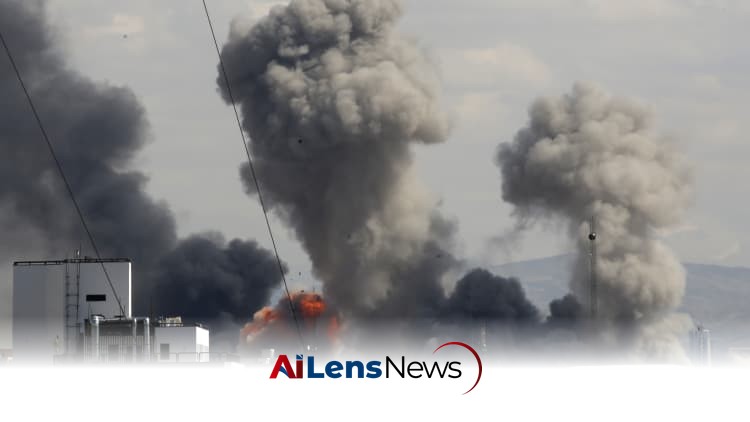
Despite the temporary pause in US strikes, fighting has intensified in other areas of the Middle East. The Houthi movement in Yemen has claimed responsibility for a series of attacks on Saudi Aramco facilities located in Jizan and Yanbu, both of which are critical to the Kingdom's oil infrastructure. Verified footage from the region has shown heavy smoke emanating from the Jizan refinery, which has a processing capacity of up to 400,000 barrels of crude oil daily. In Yanbu, two missiles targeting oil installations were reportedly intercepted before they could reach their intended targets, indicating an ongoing threat to vital energy resources in the region. The attacks underscore the Houthis' capability and willingness to strike at the heart of Saudi Arabia's economy, further complicating the regional security landscape.
In a related development, Iran has accused Ukraine of attacking one of its commercial vessels in the Caspian Sea, an incident that has escalated tensions further. Iranian authorities have condemned the attack, which they claim resulted in the death of one sailor and injuries to another. In response, Iran summoned Ukraine’s chargé d’affaires to lodge a formal protest, highlighting the diplomatic strains that are emerging as a result of these military engagements. This incident illustrates the interconnected nature of regional conflicts and how actions in one area can have ripple effects across borders.
Meanwhile, Ukrainian President Volodymyr Zelenskiy has alleged that Russia has provided satellite intelligence to Iran, ostensibly to assist in its military operations across the Middle East. This accusation adds another layer of complexity to the already intricate geopolitical landscape in the region. The relationship between Iran and Russia has been characterized by strategic cooperation, especially in the context of the Syrian Civil War, where both nations have supported the Assad regime. The potential for enhanced military collaboration between these two countries could pose significant challenges for US interests in the region.
The ongoing conflict has also rekindled fears regarding the civil war in Yemen, which has been in a state of turmoil for several years. Following the collapse of a ceasefire that had been largely effective since 2022, Saudi-backed forces have launched airstrikes against Houthi positions in Marib and al-Jawf. Both sides have mobilized forces along the frontlines, signaling a potential escalation in hostilities. The Houthis have declared a naval blockade of Saudi Arabia and have issued warnings that all Saudi oil facilities could become targets, raising alarms about regional security and the stability of global energy supplies. The situation in Yemen is dire, with millions of civilians facing humanitarian crises as a result of the protracted conflict and blockades.
This series of developments underscores the fragile nature of peace and stability in the Middle East, where a multitude of actors and interests are at play. The implications of these conflicts extend beyond the immediate region, affecting global energy markets and international shipping routes. The potential for a wider regional conflict looms large, as the interplay between military actions, diplomatic efforts, and economic interests continues to evolve. The US's military posture in the region is not merely a response to Iranian actions but is also influenced by the broader geopolitical dynamics, including relations with regional allies and the strategic importance of oil supply routes.
As the situation unfolds, analysts and policymakers will be closely monitoring the actions of both the United States and Iran, as well as the responses of other regional players such as Saudi Arabia and Ukraine. The possibility of renewed military engagements or diplomatic breakthroughs remains uncertain, but the stakes are undeniably high. The international community is left to grapple with the ramifications of these developments, as they could have far-reaching consequences for global stability and security. The evolving nature of warfare, including cyber capabilities and asymmetric tactics employed by non-state actors, further complicates the response strategies of traditional military powers.
In conclusion, the decision to halt military strikes against Iran while maintaining a naval blockade reflects a nuanced approach by the US administration in navigating the tensions in the region. The pause may provide a temporary respite, but the underlying issues that contribute to the conflict remain unresolved. As diplomatic channels remain open, the focus will likely shift toward finding a sustainable solution that addresses the concerns of all parties involved. However, the volatility of the region and the myriad of factors at play make the prospect of lasting peace a challenging endeavor. The world watches closely as the situation continues to develop, with the potential for both conflict and cooperation hanging in the balance.
To learn more about the latest developments in Crime & Law, stay updated with our exclusive reports and analyses on AiLensNews.

