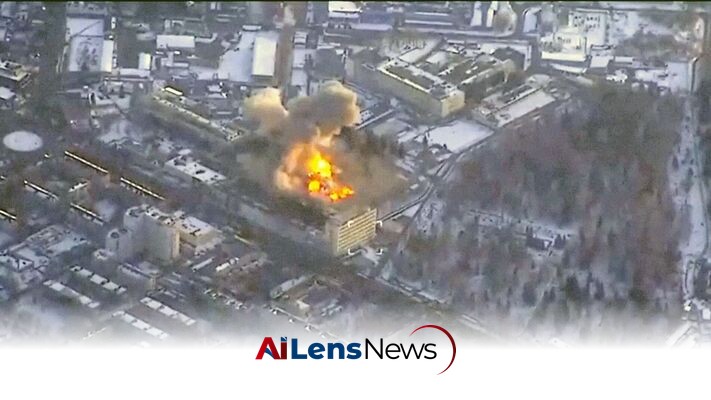


A Ukrainian rocket strike in Bryansk killed two civilians, including a child, raising security concerns in the area. Local authorities are coordinating assistance for victims.
Islamabad, Pakistan Jul 16, 2026 ALN: A Ukrainian rocket attack on Russia’s Bryansk region killed two civilians on Thursday, according to Russian authorities. The strike reportedly targeted the border district of Suzemka using a Grad multiple rocket launcher. The incident adds to growing security concerns in Russia’s border regions, which have increasingly become the focal point of military confrontations since the escalation of hostilities between Ukraine and Russia in 2022.
Acting Bryansk Governor Yegor Kovalchuk stated that the attack struck Suzemka village, the administrative center of the district. Tragically, a 15-year-old girl and her grandmother were killed in the attack. Another woman sustained injuries and was taken to the hospital for medical treatment. The loss of life, particularly that of a minor, has sparked outrage and grief among local residents and has drawn attention to the human cost of the ongoing conflict.
Preliminary reports indicated that one residential house was completely destroyed during the strike. Additionally, four other homes sustained damage from the attack. Several outbuildings, a car, and a tractor were also damaged. The physical destruction and loss of property further highlight the impact of the conflict on civilian infrastructure, which has been a consistent theme throughout the ongoing war. As both sides continue to engage in military actions, the repercussions for local populations become increasingly dire.
Following the incident, Bryansk Regional Prosecutor Vladimir Mosin directed local officials to coordinate assistance for affected residents. He instructed authorities to remain in close contact with emergency services and monitor the situation. Officials emphasized that support for victims would remain a priority. The response from local authorities reflects a broader trend in conflict zones where governments attempt to provide immediate aid to those impacted by violence, though the effectiveness of such measures can vary widely.
The prosecutor’s office also established a hotline to receive requests from affected citizens. Authorities stated that the service would provide legal assistance and guidance to those impacted. This move aims to ensure that victims have access to necessary resources during a time of crisis, but it also underscores the challenges that local governments face in managing the fallout from military actions.
This incident underscores the escalating tensions and security challenges faced by regions bordering Ukraine, as both sides continue to engage in military actions. The Bryansk region, which shares a border with Ukraine, has seen increased military activity and incidents since the beginning of the conflict. This has led to a heightened state of alert among local populations and government officials alike, as they grapple with the implications of being on the front lines of a protracted war.
The conflict itself has its roots in a complex history of geopolitical tensions, particularly following Russia's annexation of Crimea in 2014 and the subsequent support of separatist movements in Eastern Ukraine. The situation has evolved dramatically over the years, culminating in a full-scale invasion by Russia in February 2022. Since then, both Ukrainian and Russian forces have engaged in a series of military operations that have resulted in significant casualties and displacement of civilians.
As the war has progressed, the nature of the conflict has shifted, with both sides employing various tactics to gain an upper hand. The use of artillery, including multiple rocket launchers like the Grad system, has become more prevalent, leading to increased casualties among civilians. This trend raises critical questions about the adherence to international humanitarian law and the protection of non-combatants in conflict zones.
The implications of such attacks extend beyond immediate casualties and property damage. They can exacerbate existing tensions within communities, lead to further military escalation, and complicate the already challenging humanitarian situation. Civilians often bear the brunt of military conflicts, and incidents like the one in Bryansk serve as stark reminders of the war's toll on innocent lives.
In the broader context, the attack in Bryansk may also influence public perception and political discourse within Russia. As the government grapples with the consequences of the war, incidents of violence against civilians can fuel anti-Ukrainian sentiment and may impact domestic support for the ongoing military campaign. Conversely, it can also lead to calls for increased security measures and military responses, further entrenching the conflict.
Internationally, the attack and its aftermath may draw attention from human rights organizations and foreign governments, particularly those advocating for the protection of civilians in armed conflict. The ongoing situation in Ukraine has garnered significant global attention, with various nations and organizations calling for accountability and a resolution to the conflict. The Bryansk incident adds another layer to the already complex narrative surrounding the war, highlighting the need for a comprehensive approach to peace and reconciliation.
As of now, Ukraine had not publicly commented on the reported attack at the time of this reporting. The lack of response from the Ukrainian side could be indicative of the ongoing complexities in communication and military strategy between the two nations. It is essential to note that both sides often engage in information warfare, where narratives are crafted to shape public perception and justify military actions.
In conclusion, the tragic loss of life in Bryansk serves as a grim reminder of the human cost of the ongoing conflict between Ukraine and Russia. As military actions continue and tensions remain high, the safety and well-being of civilians in border regions like Bryansk will likely remain a pressing concern for both local authorities and the international community. The need for dialogue, humanitarian assistance, and a sustainable resolution to the conflict is more critical than ever, as the war shows no signs of abating in the near future.
To learn more about the latest developments in Crime & Law, stay updated with our exclusive reports and analyses on AiLensNews.

