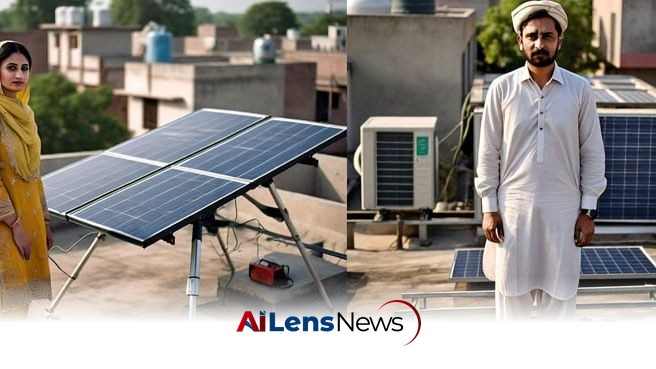


Sindh's Senior Minister Sharjeel Memon announced a solar kits project aimed at providing energy solutions to low-income families, targeting completion by June 2027.
Islamabad, Pakistan Jul 21, 2026 ALN: Sindh’s Senior Minister Sharjeel Memon on Tuesday said that mini solar kits will be provided to 275,000 low-income families to meet their energy needs under a government project.
The initiative comes at a time when Pakistan is grappling with significant energy challenges, including frequent power outages and a reliance on fossil fuels that has raised environmental concerns. The government of Sindh, under the leadership of the Pakistan People's Party (PPP), is taking steps to address these issues by promoting renewable energy sources, particularly solar energy, which is abundant in the region due to its geographical location.
Pakistan's energy crisis has been a long-standing issue, characterized by a gap between electricity supply and demand. The country has faced challenges in generating sufficient energy to meet the needs of its rapidly growing population and economy. Frequent power outages disrupt daily life, affecting businesses, schools, and healthcare facilities. This situation has compelled the government to explore alternative energy solutions, with solar energy emerging as a viable option given the country’s high solar insolation rates.
The minister explained that the Rs. 18.20 billion solar systems project has been launched on the instructions of the PPP chairman Bilawal Bhutto Zardari. This investment reflects the government's commitment to enhancing energy access for low-income households, especially in rural areas where traditional energy infrastructure is often lacking. The PPP has historically emphasized social welfare programs, and this initiative aligns with their broader goals of poverty alleviation and sustainable development.
According to Sharjeel Memon, the project aims to benefit 132,000 families from off-grid areas and 143,000 families from grid-connected areas. This dual approach is crucial, as it addresses the needs of families who are completely disconnected from the national grid, as well as those who experience unreliable electricity supply. The inclusion of both off-grid and grid-connected families highlights the government's recognition of the diverse energy needs across different communities in Sindh.
In Sindh, many households, particularly in remote regions, have limited or no access to electricity. This lack of reliable energy not only hampers daily living but also affects education, healthcare, and economic opportunities. By providing solar kits, the Sindh government is not only aiming to improve the quality of life for these families but also to promote self-sufficiency and sustainable energy practices. The availability of energy can facilitate after-school studies for children, enable healthcare providers to maintain essential services, and allow small businesses to thrive, contributing to local economies.
The entitled low-income families from the far-flung areas of Sindh will benefit from this scheme, Sharjeel Memon said. The provision of 180-watt solar panels, batteries, fans, and bulbs under the scheme is designed to meet basic energy needs. These solar kits can power essential appliances, providing families with the ability to light their homes, charge mobile devices, and operate small fans, which can significantly improve living conditions, especially during the hot summer months. The inclusion of batteries also ensures that families can store energy for use during the night, further enhancing their energy independence.
The implementation of this project is expected to have a wide-ranging impact. Firstly, it will reduce the dependency on traditional energy sources, which often come with high costs and environmental repercussions. Solar energy is a clean and renewable source, and its adoption can contribute to reducing the carbon footprint associated with energy consumption in the region. The shift towards solar energy is not only beneficial for individual households but also aligns with global efforts to combat climate change by reducing greenhouse gas emissions.
Moreover, the initiative aligns with global trends towards sustainable development and the use of renewable energy. The United Nations Sustainable Development Goals (SDGs) emphasize the importance of affordable and clean energy, and this project can be seen as a step towards achieving those goals in Sindh. By investing in solar energy, the Sindh government is not only addressing immediate energy needs but is also contributing to long-term sustainability. This alignment with international goals may also enhance Pakistan's standing in global discussions on climate action and sustainable development.
Sharjeel Memon mentioned that over 15,000 families have been provided the solar kits so far. This initial rollout serves as a pilot phase, allowing the government to assess the effectiveness of the solar kits and make any necessary adjustments before the full-scale implementation. The government has targeted to complete the provision of solar kits to 275,000 families by June 2027, indicating a structured timeline for the project’s expansion. This phased approach allows for learning and adaptation, ensuring that the program can be refined based on real-world experiences and feedback.
As the project progresses, it will be essential for the Sindh government to monitor its impact on the beneficiaries. Feedback from families receiving the solar kits can provide valuable insights into the usability and effectiveness of the technology, as well as the overall satisfaction of the recipients. This data can be crucial for future projects aimed at expanding renewable energy access. Continuous engagement with beneficiaries can also foster a sense of ownership and responsibility towards the solar kits, encouraging families to maintain their systems properly.
In addition to improving energy access, the project could also create job opportunities in the region related to the installation and maintenance of solar systems. Training programs for local technicians could be developed, fostering a skilled workforce that can support the growing renewable energy sector in Sindh. This aspect of the project could contribute to local economic development, providing employment opportunities and enhancing technical skills within communities that have historically faced economic challenges.
There are also broader implications of this initiative for energy policy in Pakistan. With the government actively promoting solar energy, it may inspire similar projects in other provinces, contributing to a nationwide shift towards renewable energy. This could ultimately lead to greater energy security for the country, reducing reliance on imported fuels and enhancing resilience against global energy price fluctuations. As other regions observe the successes and challenges of this project, they may be motivated to adopt similar strategies, creating a ripple effect that could transform Pakistan's energy landscape.
However, challenges remain. The success of the solar kit distribution project will depend on various factors, including the efficient management of resources, the capacity of local governments to implement the project effectively, and the willingness of families to adopt this new technology. There may also be concerns regarding the long-term sustainability of solar energy solutions, such as the maintenance of solar panels and batteries. Addressing these concerns will be crucial to ensuring that the benefits of the project are realized over the long term.
In conclusion, the Sindh government's initiative to distribute solar kits to 275,000 low-income families represents a significant step towards improving energy access and promoting renewable energy in the region. As the project unfolds, it will be important to evaluate its impact on the lives of beneficiaries and the broader implications for energy policy in Pakistan. With the right support and management, this initiative could serve as a model for similar efforts across the country, ultimately contributing to a more sustainable and equitable energy future. The success of this project could not only transform the lives of those directly impacted but also pave the way for a greener, more resilient energy infrastructure in Pakistan.
To learn more about the latest developments in Crime & Law, stay updated with our exclusive reports and analyses on AiLensNews.

